






















































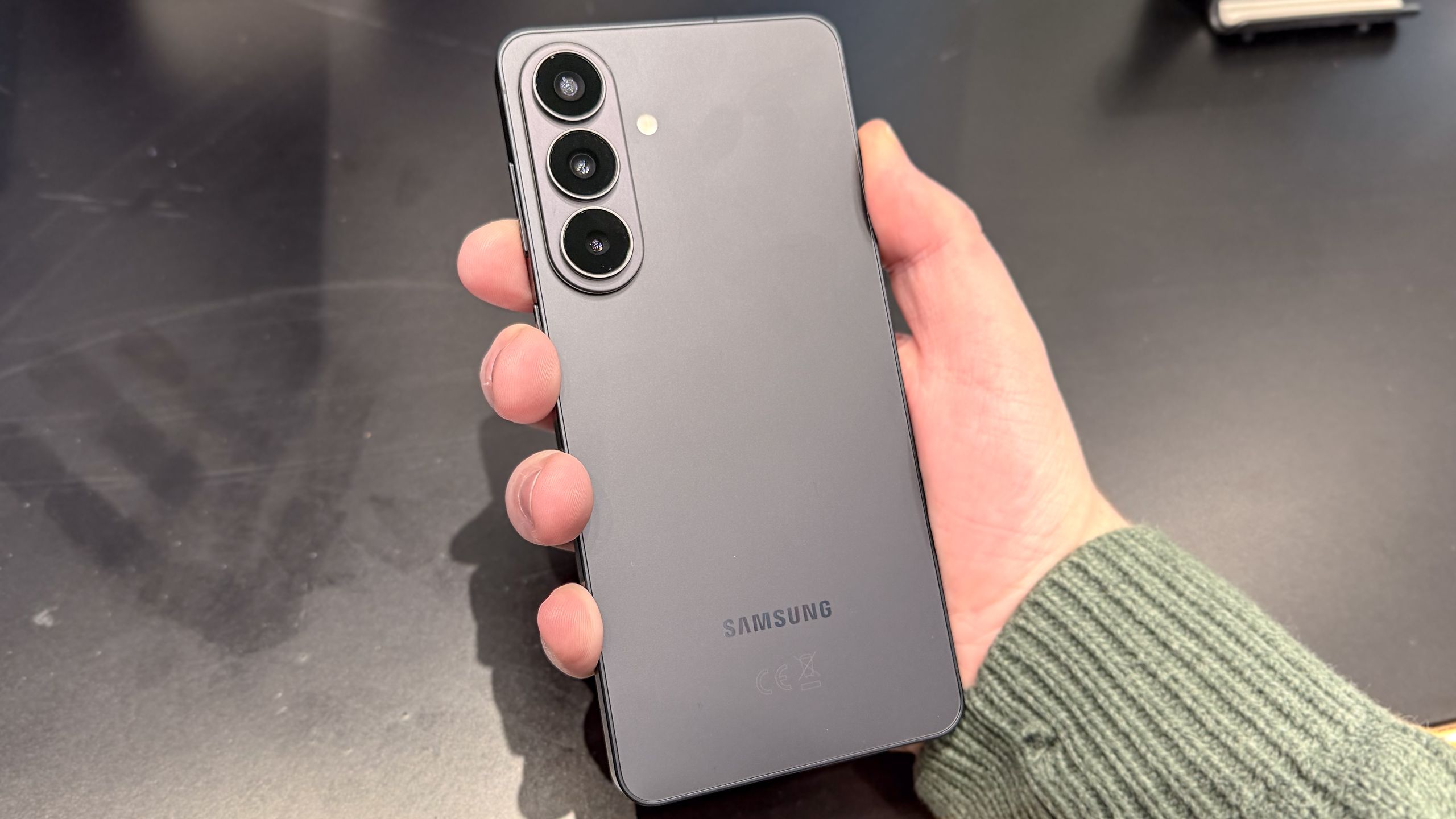
Samsung Electronics is intensifying efforts to integrate artificial intelligence (AI) into its mobile devices, aiming to make advanced tools accessible to everyday users. A notable future feature under consideration is the introduction of “vibe coding,” which would allow users to create custom applications directly on their Galaxy devices.
In an interview with TechRadar, Won-Joon Choi, head of mobile experience at Samsung, indicated that the company is investigating this innovative approach. Choi explained, “Right now we’re limited to premade tools, but with vibe coding, users could adjust their favorite apps or make something customized to their needs.” This capability would empower users to harness AI in a way that transcends conventional app usage.
Vibe coding operates as an AI-driven feature that enables users to delegate specific coding tasks to artificial intelligence. Essentially, users specify the desired outcome, and the AI generates software solutions to meet those needs—eliminating the requirement for users to possess coding skills. This shift reflects a broader trend in technology toward enhanced user empowerment through automation.
The potential impact of vibe coding, especially within the context of Android‘s relatively open ecosystem, could be significant. Users would gain the ability to create and utilize applications tailored to their personal preferences, thereby enhancing the overall personalization of their devices. This feature could mitigate reliance on external developers whose decisions may not always align with user needs, a common frustration in the app landscape.
As consumers have witnessed over time, applications can evolve in ways that can be disappointing, such as controversial redesigns or the introduction of subscription models that lock previously free features behind paywalls. Vibe coding presents a solution to these issues by allowing users to directly control the functionality of their apps, creating an environment where customization is at the user’s fingertips. If an app fails to meet expectations, users could simply generate a new one that better fits their requirements.
While the concept of vibe coding is promising, its timeline for availability on Samsung devices remains uncertain. Although Choi confirmed that Samsung is exploring the technology, he did not specify whether it would be incorporated into upcoming models like the Galaxy S27 or the Galaxy S28. This leaves consumers awaiting further announcements to ascertain how soon they might access this advanced feature.
As Samsung continues to push the boundaries of mobile technology, the integration of AI through vibe coding represents a potential turning point in how users interact with their devices. By focusing on personal control and customization, Samsung is positioning itself as a leader in the development of user-friendly AI solutions for mobile technology, reflecting broader shifts in consumer expectations for personalization in the digital age.
See also Tech Mahindra Denies Layoff Rumors, Emphasizes AI as Productivity Catalyst
 McKinsey Reveals 88% of Organizations Struggling to Achieve AI Adoption Impact
 AI’s Dual Impact on Open-Source: Anthropic Boosts Firefox While AI Floods cURL with Junk Reports
 Denver Allocates $4.6M to ComplyAI for AI-Powered Development Review System
 Nvidia Launches Open-Source AI Platform ‘NemoClaw’ Amid $2B Partnership with Thinking Machines Lab















