













































China’s artificial intelligence healthcare sector is poised for significant growth in 2024, driven by advancements in AI applications across various clinical and operational settings, according to a recent analysis by Analysys, a Beijing-based data analytics firm. The firm’s research indicates that the value of the AI healthcare market is projected to reach approximately 106 billion yuan (about $15.21 billion) as the industrialization of AI technologies accelerates, reshaping healthcare delivery and management.
Analysys highlights that high-value AI scenarios, such as tumor screening and chronic disease management, are expected to serve as primary growth engines for the industry over the next three years. The report reflects a broader trend within China’s healthcare landscape, where the integration of AI is becoming increasingly prevalent.
China Securities, a major securities firm, has also underscored a favorable market and investment outlook for AI healthcare in several of its recent analyses. A notable report indicated that government policy support is a critical factor in the sector’s development. This includes a national goal, announced in April 2025, to establish over 100 typical scenarios for digital intelligence technologies within the pharmaceutical industry by 2027.
Beijing’s municipal health commission recently unveiled a plan aimed at achieving widespread AI adoption in medical institutions by 2027, a strategy that is anticipated to be replicated in other regions. Such policy initiatives are expected to catalyze further growth and investment in AI healthcare technologies.
In a January report, CITIC Securities pointed to a significant shift in the commercialization landscape of China’s AI healthcare sector. This transition is marked by strengthening payment mechanisms for AI medical solutions and clearer identification of payers, which are vital for sustaining growth in this emerging market. The report attributes rising market demand largely to favorable government policies.
A guideline released by the National Healthcare Security Administration last year incorporated AI-assisted diagnostics into the national pricing framework for pathology, allowing public medical insurance to reimburse AI-assisted solutions directly. This measure has opened substantial commercial opportunities for AI pathology applications.
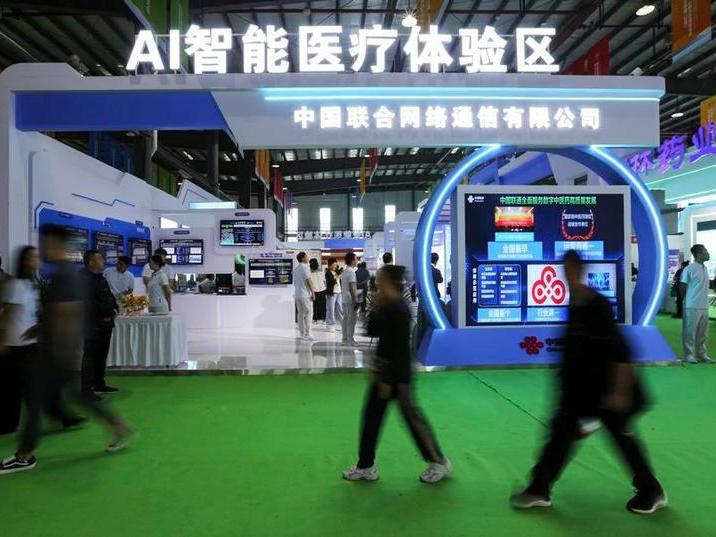
In various regions, including Beijing, Shanghai, and provinces such as Zhejiang and Guangdong, authorities are expediting the deployment of AI healthcare solutions, supported by pilot bases aimed at testing new technologies. These initiatives reflect a proactive approach to integrating AI into everyday medical practices.
CITIC Securities also outlined five key investment areas within the AI healthcare sector: AI-driven medicine development, AI solutions for grassroots healthcare, medical data circulation and transaction, AI-assisted pathology diagnostics, and the expansion of AI healthcare models into consumer markets. These areas present opportunities for both established companies and new entrants in the market.
Investment from major firms is bolstering the development of AI healthcare models. Notable platforms include PANDA, an AI platform developed by Alibaba’s Damo Academy, and Ant Afu, an AI health management app designed for users. Such investments not only enhance the capabilities of existing models but also accelerate the commercialization of AI in healthcare settings.
As the integration of AI technologies continues to expand within China’s healthcare system, the potential for improved patient outcomes and operational efficiencies grows. The confluence of policy support, technological advancements, and market demand positions China’s AI healthcare sector for a transformative year ahead, indicative of a broader movement towards digitization in healthcare globally.
See also Cambodia Rises 27 Spots in AI Readiness Index, Achieving 118th Rank in 2025
 Washington Lawmakers Propose AI Chatbot Regulations to Safeguard Minors’ Mental Health
 Government Launches National AI Readiness Assessment with UNESCO and UNDP Collaboration
 China Blocks Nvidia’s H200 AI Chips Amid Rising Tensions, Halting Over 1M Orders
 UK Government Launches New ‘School of Government’ to Train Civil Servants in AI Skills