












































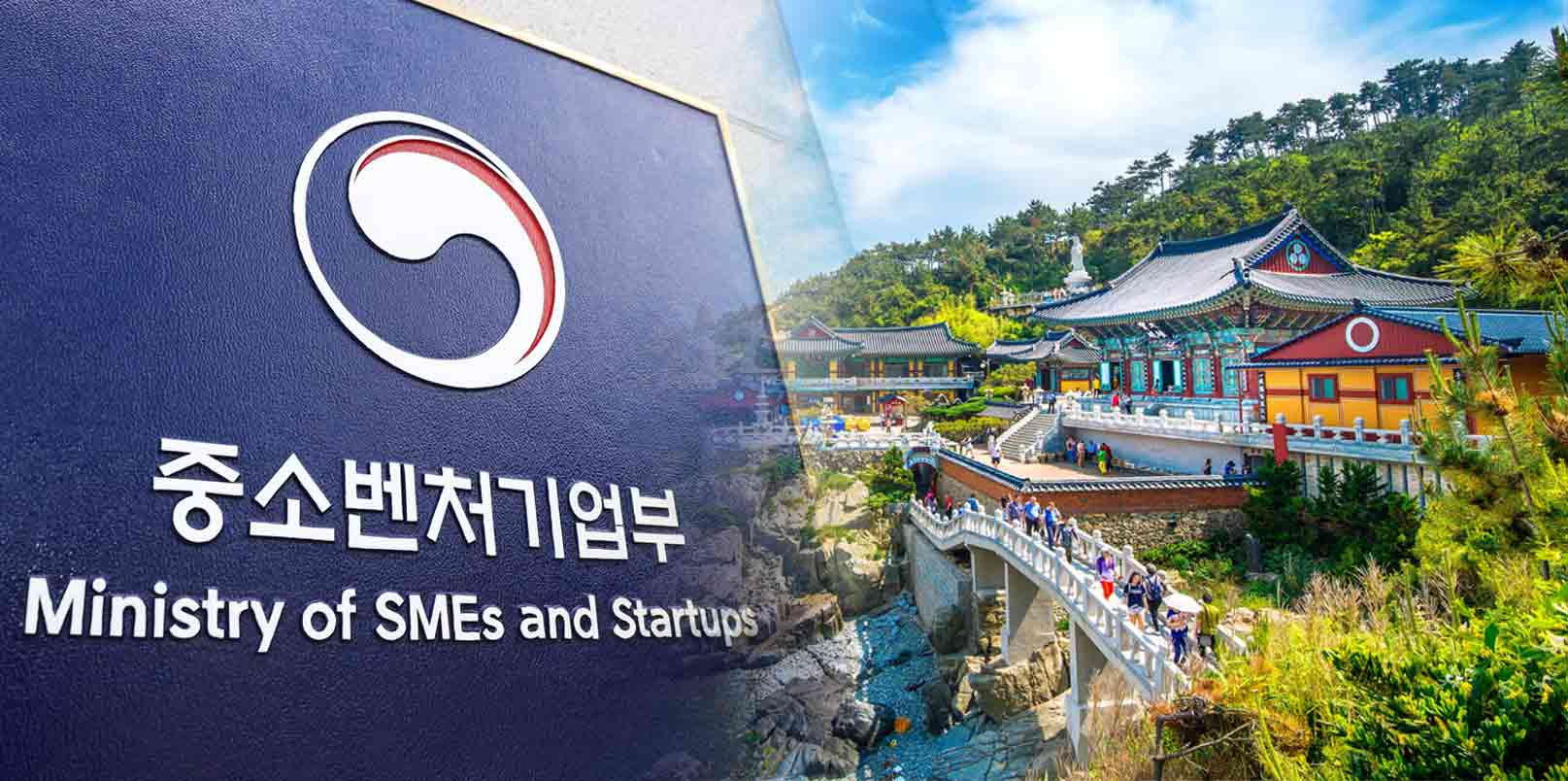
South Korea is entering a pivotal phase in its AI economy as the Ministry of SMEs and Startups (MSS) and the Korea SMEs and Startups Agency (KOSME) launch the 2026 recruitment for local governments to participate in the “Region-Led AI Transformation” program. This initiative aims to foster AI adoption in provincial regions, with a significant focus on transforming local manufacturing ecosystems rather than relying solely on Seoul’s established tech landscape. Each selected region will receive approximately 7 billion KRW in central support to develop tailored AI projects.
The program arises from a stark disparity in AI utilization across the country. According to a 2024 joint study conducted by the Korea Chamber of Commerce and Industry and the Korea Institute for Industrial Economics and Trade, AI usage stands at 40.4 percent in the Seoul area but drops to only 17.9 percent elsewhere. In 2025, five regional governments—Gyeongnam, Daegu, Ulsan, Jeonnam, and Jeju—were selected for the initial wave of the program, with plans to add two more this year.
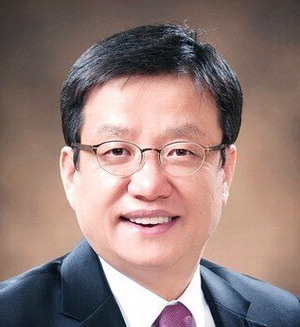
Park Yong-soon, Director-General of SME Policy at MSS, highlighted that the ministry’s goal is not just short-term financial input but a structural decentralization of AI capabilities. “We will help regional SMEs adopt AI faster and support the growth of self-sustaining local AI ecosystems,” he stated, emphasizing the need for local authorities to act as ecosystem operators connecting regional SMEs with AI vendors and training institutions.
This shift represents a significant departure from the traditional top-down approach, which has centered on ministries and large corporate partnerships in cities like Seoul and Daejeon. By empowering local governments to design AI adoption projects that reflect regional industrial strengths, the “Region-Led AI Transformation” initiative fosters a more equitable distribution of technological advancement across the country. Local characteristics, such as the automotive industry in Ulsan and energy in Jeonnam, will inform customized AI integration plans.
However, the decentralization strategy is not without challenges. Many provincial governments face a lack of technical staff and data infrastructure necessary for executing AI programs effectively. Past regional pilots have often relied on third-party integrators from Seoul, which undermines the intended autonomy of the regions. Furthermore, the requirement for each region to contribute at least 20 percent of project costs from local funds may restrict participation, particularly in less affluent provinces.
Despite these challenges, the initiative offers tangible opportunities for local development. Regional governments can propose a variety of projects, including AI solution development, infrastructure construction, and workforce training. For SMEs that have yet to navigate the digital landscape, these projects can significantly lower barriers to entry and yield measurable productivity improvements.
Nonetheless, the policy does not address Korea’s ongoing AI talent shortage comprehensively. Developing a skilled workforce requires not only funding but also a sustainable pipeline of instructors and engineers capable of teaching practical AI applications in manufacturing settings. Without this support, even well-funded initiatives risk becoming mere showcases rather than scalable models.
The framework also lacks a long-term financing mechanism beyond the initial grants, raising questions about sustainability as the program progresses. Ultimately, the success of the initiative will hinge on how effectively regional governments can embed AI capabilities within existing innovation institutions such as Technoparks and university laboratories.
As Korea embarks on this ambitious regional AI transformation, global investors and AI builders are keenly observing the developments. The initiative opens up new avenues for foreign AI solution providers to collaborate directly with local governments and SMEs in provincial cities, thereby bypassing the crowded partnerships in Seoul. This shift aligns with global trends favoring local innovation sovereignty, evident in regions like Japan and the European Union.
In essence, Korea is not merely rolling out another AI support scheme but is engaging in a broader institutional experiment aimed at redistributing technological capability. The outcome of these regional pilots will determine whether the country’s AI transformation leads to inclusive industrial progress or remains concentrated in the capital region. Moving forward, the effectiveness of this initiative will be gauged not by the size of its budget but by the government’s ability to establish functional innovation infrastructure in areas where it has historically been absent.
See also Ottawa Engages 11,300 Canadians for AI Strategy Ahead of 2026 Implementation
 Kazakhstan’s Qaz.AI Unveils Balanced AI Regulation to Foster Innovation and Safety
 Ottawa Invests Up to $2.5M in NWT for AI Training and Digital Literacy Programs