


















































March 13: The U.S. Department of Commerce has withdrawn its proposed regulation concerning the export of artificial intelligence (AI) chips, as reported on a government website. This decision marks a significant shift in the regulatory landscape aimed at managing global access to advanced AI technologies.
The draft rule, which had been circulated to various government agencies for feedback in late February, aimed to set parameters on the export of AI chips, a critical component in the development of AI applications and systems. However, the withdrawal of this proposal came without any accompanying explanation, leaving stakeholders and industry observers to speculate on the motivations behind the move.
A spokeswoman for the Commerce Department did not immediately respond to requests for comment, underscoring the uncertainty surrounding the withdrawal. Analysts note that the proposed regulation was intended to bolster national security by controlling the proliferation of advanced AI technologies to foreign adversaries.
As AI technology continues to evolve rapidly, governments worldwide are grappling with how best to regulate its development and distribution. The withdrawal of the export rule highlights the complexities involved in balancing innovation with security concerns. Many industry leaders believe that clear guidelines are essential for fostering growth while mitigating risks associated with AI capabilities.
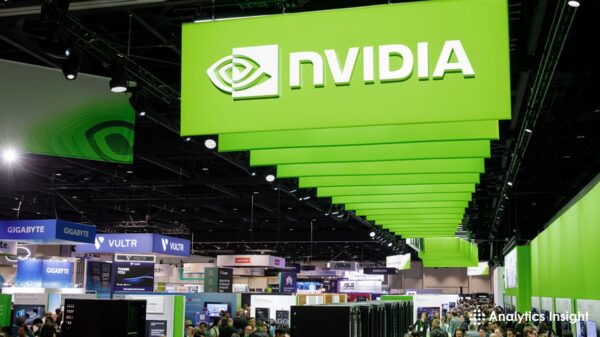
The debate over AI regulation has intensified in recent years, particularly as global competition escalates among tech giants. Companies such as NVIDIA and Intel have become pivotal players in the AI chip market, which has seen explosive growth driven by the demand for machine learning and data analytics. The absence of a regulatory framework could lead to a more fragmented market, where companies operate under varying guidelines depending on national jurisdictions.
In light of the withdrawal, some experts argue that the U.S. may be missing an opportunity to establish itself as a leader in global AI governance. A cohesive regulatory approach could not only ensure national security but also position the U.S. as a benchmark for other countries navigating similar issues. The lack of a comprehensive policy might push companies to seek more favorable environments abroad, complicating the U.S.’s role in the global tech landscape.
As the landscape of AI technology continues to shift, the implications of this decision could resonate throughout the industry. With the potential for increased international competition and varying regulatory standards, companies will need to navigate this evolving environment carefully. The future of AI chip exports in the U.S. remains uncertain, with industry stakeholders keenly awaiting further clarity on the direction the government intends to take.
In summary, the withdrawal of the proposed AI chip export regulation underscores the complexity of managing technological advancement against a backdrop of national security concerns. As industries and governments work to find common ground, the implications of these decisions will likely shape the future of AI development and its global distribution.
See also AI Technology Enhances Road Safety in U.S. Cities
 China Enforces New Rules Mandating Labeling of AI-Generated Content Starting Next Year
 AI-Generated Video of Indian Army Official Criticizing Modi’s Policies Debunked as Fake
 JobSphere Launches AI Career Assistant, Reducing Costs by 89% with Multilingual Support
 Australia Mandates AI Training for 185,000 Public Servants to Enhance Service Delivery