





































For the first time in nearly two decades, the realms of paid search and SEO are beginning to converge as marketing agencies adapt to the zero-click search era. This shift has prompted agencies to dismantle the divisions between their organic and paid search teams, aligning their efforts around shared client objectives.
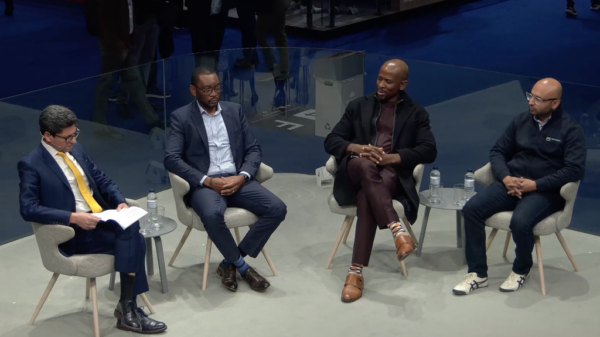
Elena MacGurn, senior vice president of search at Digitas, highlighted this trend during a discussion at Digiday’s Media Buying Summit in Nashville, stating, “Unless you have that shared goal… your strategies are going to be at odds.” The integration of these teams is a response to the evolving landscape of digital search, particularly following the launch of Google’s Overviews feature in May 2024. This feature has fundamentally altered user engagement, as brands increasingly rely on SEO insights to adapt to changing search behaviors.
Patrick Stal, global chief marketing officer at HelloFresh, noted that the volume and context of search queries are growing significantly. “All the data points that we’re seeing is that those queries are significantly larger than they’ve ever been. They’re much more contextual,” he remarked. In this context, the collaboration between organic and paid search teams is becoming more critical. Agencies are now using organic search expertise to identify overlooked keywords while strategically bidding on queries that could yield an Overview summary.
Digitas is not alone in this effort. Lavall Chichester, executive vice president of SEO and AI optimization at Barkley OKRP and MissionOne Media, emphasized the advantage of integrating SEO and paid search, stating that brands with a cohesive strategy “are going to be able to basically dominate whatever queries actually drive revenue for them.” He underscored the need to move away from the traditional separation between teams, where “the paid ads team sits over here, and the SEO team sits over here, and they do not talk.”
The increasing prevalence of generative AI tools, with 52% of U.S. adults reportedly using platforms like ChatGPT for searches, underscores the urgency for marketers to adapt. According to McKinsey, 50% of Google searches now trigger an AI summary, with Overviews appearing on nearly half (49.6%) of results pages for informational searches, and 14.8% for commercial searches. This shift has prompted 87% of marketing chiefs to report that their boards or CEOs are demanding strategies to address AI-driven search features.
Andy Arnett, head of search at agency Incubeta, observed a growing trend towards integrating disciplines related to large language models (LLMs) to confront the challenges posed by AI-enhanced search. Philip Thune, CEO of Adthena, pointed out that the current landscape sees paid search teams operating with incomplete visibility while SEO teams are focused on rankings affected by AI-generated Overviews. He stated, “When both channels are disrupted at the same time, keeping those teams siloed stops making sense.”
While organizational charts may remain intact, the collaboration between paid and organic teams is becoming more pronounced, marked by shared data, reporting, and aligned key performance indicators (KPIs). Thune further noted that brands still treating PPC and SEO as separate functions are “essentially flying half-blind in both directions.”
The zero-click search environment has also led to the emergence of new search evaluation tools like Profound and Scrunch. Marketing agencies are quick to respond, with Stagwell media agency Assembly launching a “Search+” solution in partnership with startup Emberos earlier this week.
On February 26, Adthena introduced an AI Overview Index that compiles data on the appearance of Overviews, associated ads, and other AI search trends across the U.S., U.K., and Australian markets. This initiative aims to provide a unified view of both paid and organic search activities, further driving the merger of these disciplines.
MacGurn of Digitas proposed that a “holistic” approach to search might ultimately incorporate public relations and affiliate marketing expertise as well. She concluded, “If you have an inherently different set of KPIs for your paid search strategy vs. your organic strategy, and you have two measurement plans, two learning agendas, you’re never going to meet in the middle. You’re never going to have true synergy.” As the landscape evolves, the integration of marketing strategies appears essential for brands aiming to thrive in an AI-driven search environment.
See also Enhance Your Website”s Clarity for AI Understanding and User Engagement
 FoloToy Halts Sales of AI Teddy Bear After Disturbing Child Interactions Found
 AI Experts Discuss Vertical Markets: Strategies for Targeted Business Growth
 Law Firms Shift to AI-Driven Answer Engine Optimization for Enhanced Marketing Success
 Anthropic Disrupts State-Sponsored Cybercrime Using Claude AI, Reveals Key Insights