
















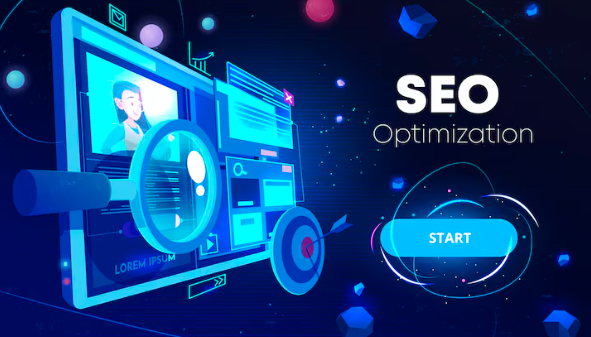


























Artificial intelligence (AI) is rapidly transforming the landscape of search engine optimization (SEO) and content marketing, making processes that once required extensive human effort considerably more efficient. In an era where businesses depend on digital visibility to thrive, AI tools are becoming indispensable for digital marketers and companies seeking to enhance their online presence.
Previously, SEO involved time-consuming tasks such as manually researching keywords, writing meta tags, and tracking rankings. Today, AI-powered platforms like SEOToaster automate these processes, allowing users to analyze their web pages, check site structure, and receive improvement suggestions within minutes. This shift not only saves time but also ensures that technical aspects of SEO remain optimized.
Moreover, AI enhances predictive analysis for search trends. Rather than relying solely on intuition to guess upcoming popular queries, algorithms can now analyze data from social media, search engines, and online forums to forecast rising topics. This capability enables businesses to strategically plan their content calendars, ensuring they stay ahead of the competition by focusing on trending subjects.
Despite these advancements, the human element remains crucial. AI may identify trending topics, but it cannot fully grasp the underlying reasons why these subjects resonate with audiences or how to craft them into trustworthy narratives. This responsibility falls to content creators who must infuse their work with genuine insights and relatable storytelling.
The rise of AI also extends to content creation. Tools capable of generating articles in seconds offer conveniences, especially for brainstorming and outline development. However, AI-generated content often lacks the context, emotional depth, and nuance that resonate with readers. Google’s recent updates emphasize the importance of creating content that serves users rather than algorithms, making it essential for marketers to complement AI assistance with their own perspectives and experiences.
AI’s impact is also evident in data analytics, which is vital for effective SEO. Traditional analytics dashboards often overwhelm users, but AI streamlines this process by presenting insights in plain language. For instance, instead of deciphering complex charts, users might receive straightforward explanations about traffic drops or user behavior shifts. However, it’s important to remember that AI tools depend on existing data; insights may be less reliable for new sites or those with unique audience behaviors.
Personalization, a longstanding goal in marketing, has become more practical through AI. Previously, this concept often involved merely inserting a name into an email. Now, businesses can customize website experiences based on actual user interactions, leading to higher engagement rates. AI-driven tools can automate much of this process, allowing marketers to focus on creating relevant, tailored content that genuinely meets user needs.
Additionally, improved user experience is increasingly linked to SEO success, with Google’s algorithms factoring in engagement signals such as dwell time and bounce rates. AI assists in this area by analyzing user flow and suggesting design improvements. For example, AI-enabled content management systems can automatically compress images, fix broken links, and recommend internal linking strategies. Such adjustments can yield significant ranking improvements over time.
However, technology has its limitations. AI can indicate when users leave a site rapidly, but it cannot identify whether a headline lacks appeal or if a layout is cluttered. Gathering these insights still requires human observation and testing.
While AI is reshaping the SEO landscape, there are still challenges to address. Originality remains a concern, as AI tools tend to replicate existing patterns, which can result in generic content if not carefully edited. Furthermore, biases present in training data can influence the outputs of AI systems, necessitating thorough reviews of AI-generated suggestions. As search algorithms continue to evolve, businesses must remain adaptable and avoid becoming overly reliant on automation. Ultimately, human creativity and understanding of customer emotions, challenges, and contexts remain irreplaceable.
In conclusion, AI is driving significant changes in SEO and content marketing, making these processes faster, smarter, and more data-driven. The most effective strategies will combine automation with human insight, utilizing AI for repetitive tasks such as keyword analysis and technical audits while dedicating time to creative efforts, storytelling, and audience understanding. By viewing AI as an auxiliary tool rather than a replacement, marketers can not only keep pace with the rapid evolution of digital marketing but also position themselves advantageously for the future.
See also insMind Launches AI Agent for Visual Creation with 100+ Templates and Smarter Workflow
 Castle Reveals Effective Strategies for Advanced Fraud Detection in 2025
 Data Science and AI Transform Market Intelligence, Boosting Predictive Insights by 40%
 OpenAI Launches GPT-5, Achieving 10x Speed Improvement and Enhanced Features
 Real Estate Firms Embrace AI-Driven Strategies, Elevating Digital Marketing to Meet Buyer Demands