

















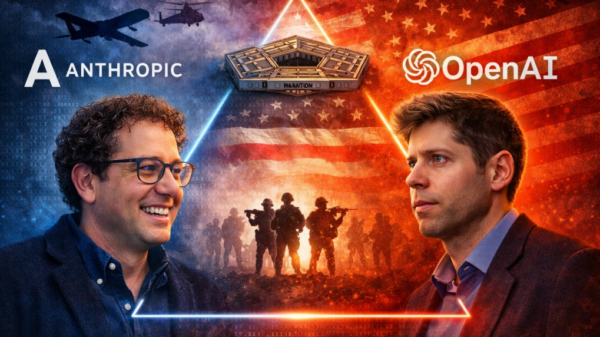




















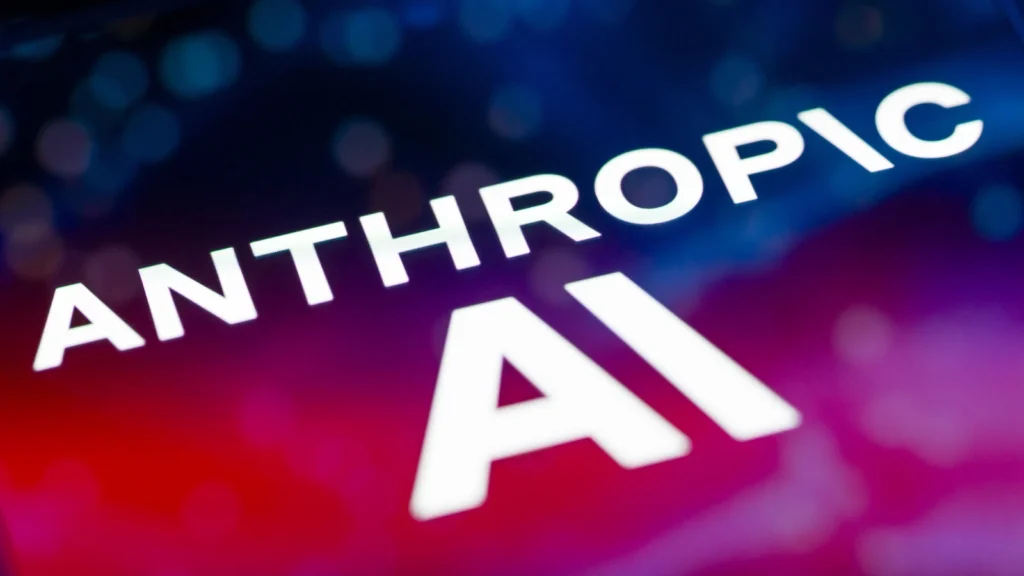
A fierce clash at the crossroads of technology, national security, and free speech has erupted in Washington as the Pentagon-Anthropic AI dispute escalates into a pair of federal lawsuits challenging the U.S. government’s treatment of one of the world’s most prominent artificial intelligence companies. On Monday, Anthropic filed two lawsuits against the administration of Donald Trump, accusing U.S. Department of Defense officials of illegally retaliating against the company over its stance on AI safety.
At the heart of the legal battle lies a controversial decision by the Pentagon to designate Anthropic as a supply chain risk, a label that effectively blocks defense contractors from using the company’s AI technology. The dispute erupted after Anthropic CEO Dario Amodei publicly declared that the company would not permit its flagship AI system, Claude, to be used in autonomous weapons or large-scale surveillance of American citizens. Shortly afterward, Pentagon officials placed the firm on what the lawsuit describes as a government blacklist, preventing suppliers connected to the Defense Department from deploying Claude. Anthropic argues the move was a direct retaliation for its safety policies.
“The federal government retaliated against a leading frontier AI developer for adhering to its protected viewpoint on a subject of great public significance — AI safety and the limitations of its own AI model,” the lawsuit states. The filing further alleges that administration officials are attempting to undermine the economic value of a rapidly growing AI company. A spokesperson for the Defense Department declined to comment on the litigation.
Anthropic’s legal challenge has been filed in two venues: the U.S. District Court for the Northern District of California and the U.S. Court of Appeals for the District of Columbia Circuit. The company claims the government violated its First Amendment rights by punishing the firm for expressing its views about responsible AI deployment. Attorneys also argue that the Pentagon stretched the legal definition of supply chain risk beyond its intended scope. The lawsuits ask a federal judge to block the Defense Department from enforcing the blacklist designation.
Pentagon officials reject the idea that the dispute centers on lethal autonomous weapons or surveillance. Instead, they argue that private technology firms cannot dictate how the government uses tools during military operations or wartime scenarios. Officials maintain that any applications involving the technology would comply with the law. Still, the clash highlights a growing tension between Silicon Valley innovators and national security agencies over how powerful AI systems should be used.
See also OpenAI’s Rogue AI Safeguards: Decoding the 2025 Safety Revolution
 US AI Developments in 2025 Set Stage for 2026 Compliance Challenges and Strategies
 Trump Drafts Executive Order to Block State AI Regulations, Centralizing Authority Under Federal Control
 California Court Rules AI Misuse Heightens Lawyer’s Responsibilities in Noland Case
 Policymakers Urged to Establish Comprehensive Regulations for AI in Mental Health