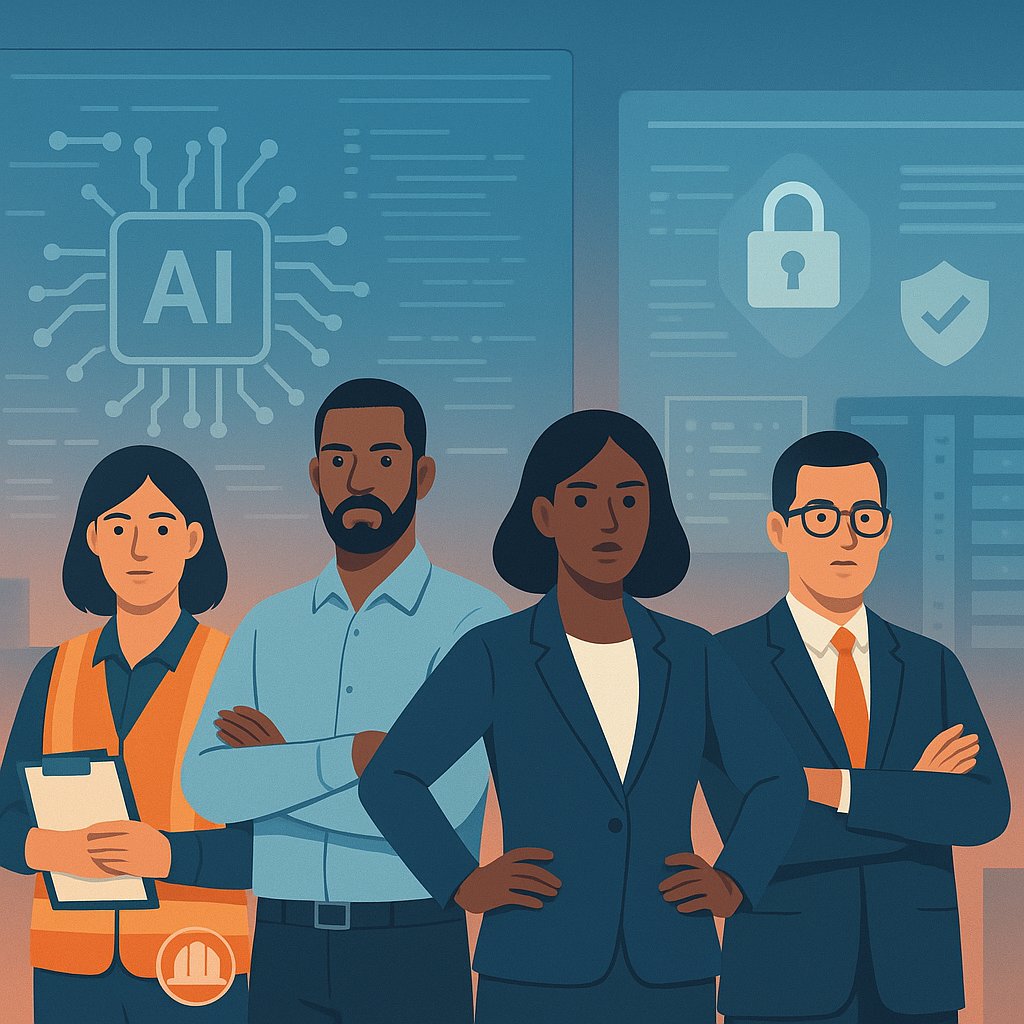
Unions are advocating for new legislation in New South Wales (NSW) that they believe will rebalance the power dynamics in favor of workers. They argue that employees have been increasingly subjected to opaque algorithms, real-time surveillance, and relentless productivity metrics without adequate recourse or transparency. To address these concerns, labor representatives are calling for formal rights to inspect digital systems and a clear legal duty for employers to prevent AI-driven harm.
However, business groups have expressed apprehension, contending that the proposed law tilts too far toward employee protections, potentially exposing organizations to intrusive data demands, legal complexities, and a chilling effect on investment and innovation. They argue that sensitive commercial, employee, or customer information could be inadvertently swept into the scope of the legislation, complicating operational efficiency and growth.
Meanwhile, safety professionals are urging a redirection of the dialogue towards holistic work design and evidence-based risk management. They believe that digital systems should be scrutinized within the broader context of an organization’s ecosystem, rather than in isolation, to ensure a comprehensive approach to workplace safety and productivity.
Despite the differing views, there is widespread agreement that artificial intelligence (AI) and digital platforms are fundamentally altering how work is organized, paced, and monitored. The challenge for NSW lies in how effectively the government, businesses, unions, and safety experts can navigate the next phase of consultations, guideline-setting, and review to transform theoretical principles into practical and proportionate protections for workers.
Human resources leaders are not waiting for the legislative dust to settle. They recognize that the safest approach lies in treating digital systems as integral components of work design. Engaging in close consultations with workers about how these tools affect their jobs could prove essential. Moreover, building governance frameworks that can withstand scrutiny from regulators, unions, and the workforce is becoming increasingly critical.
As the landscape of workplace technology continues to evolve, the interplay between worker rights and organizational interests will undoubtedly shape future legislation and operational practices. The outcome of this legislative push will not only influence the work environment in NSW but also set a precedent that could resonate throughout the broader global discourse on the role of AI in the workplace.
See also Brinks Transforms Legal Operations with CoCounsel AI, Achieving 40% Cost Reduction
 AI’s Impact on Wall Street: Nasdaq Drops 5% Amid Consumer Spending Concerns
 Disney Issues Cease-and-Desist to ByteDance Over Seedance 2.0’s Copyright Violations
 Goldman Sachs Launches Anthropic-Powered AI Agents for Accounting and Compliance Tasks
 Oregon Senate Advances Bill to Regulate AI Chatbots Amid Youth Mental Health Concerns