


























In a recent episode of C&EN Uncovered, host Craig Bettenhausen engaged with C&EN editor Chris Gorski and freelance illustrator Ryan Inzana to discuss their innovative article titled “The Funds that Fueled Chemistry.” This piece delves into the financial underpinnings of significant discoveries in the chemical industry, tracing a historical arc from early alchemical experiments to modern innovations driven by artificial intelligence. The conversation highlights the collaborative effort that made this article a standout in Chemical & Engineering News.
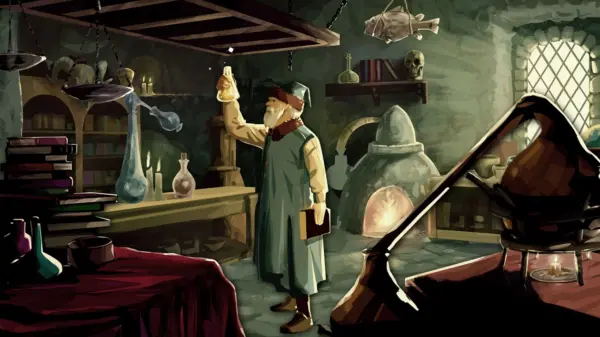
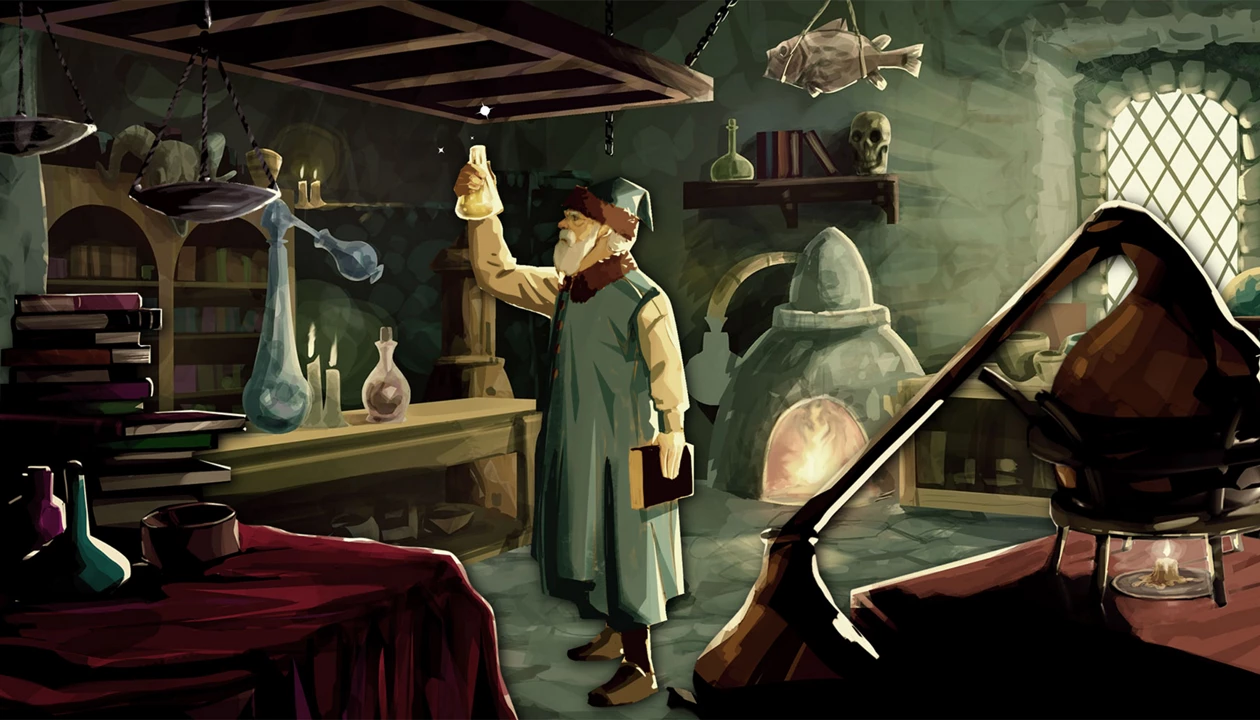
Bettenhausen initiated the discussion by asking Gorski to summarize the article’s content. Gorski explained that the article presents a concise history of chemistry funding over 1,500 to 2,000 years, illustrated through approximately 25 to 40 drawings that encapsulate major themes, from ancient Mediterranean shipworms to contemporary genetic engineering.
Inzana elaborated on the sources for his detailed illustrations, noting that while some materials were provided by the creative director, much of the research involved extensive online digging. “Half the fun of the job is finding those little details,” he remarked, emphasizing how deeper knowledge enhances the quality of each piece.
As the conversation progressed, Bettenhausen probed into the historical timeline the article covers. Gorski indicated that they began with alchemy, marking it as a precursor to modern chemistry. He underscored that alchemy was a broad category encompassing early science and craftsmanship, with ancient Egyptians experimenting with gold and ore purification.
Gorski also acknowledged the challenges of condensing vast historical information into a limited format. He mentioned that while many intriguing topics, such as the human genome project and CRISPR, were on the table, the team ultimately focused on key moments that illustrated the evolution of chemistry funding. This included the significant role of World War I in chemical weapon development and the subsequent funding shifts in the UK.
A compelling point raised was the connection between technological advancements and espionage during wartime. Gorski shared a specific example from World War I, where the British, recognizing the importance of the Haber-Bosch process for fertilizer and explosives, sought to replicate German innovations, leading to government investments in chemical manufacturing.
Inzana added an artistic perspective, explaining how color palettes were employed to signify time shifts within the illustrations. This technique enhanced the narrative, subtly guiding the viewer through different historical periods. “It’s just another weapon in your arsenal,” he said, referring to the effective storytelling tools artists can utilize.
The discussion also touched upon significant historical figures in chemistry, such as Jabir Ibn Hayyan, a pivotal figure in Islamic alchemy credited with numerous contributions. However, both Gorski and Inzana noted the layers of mystery surrounding historical contributions, making it difficult to assess the precise impact of individuals like Hayyan.
As the dialogue continued, Bettenhausen steered the conversation to the evolution of funding for chemical research. Gorski indicated that the landscape has shifted significantly over the years, particularly in the last six decades. He highlighted that in the early 1960s, about 30% of research funding came from outside the U.S., whereas by 2023, that percentage had inverted. This paradigm shift raised questions about the current dynamics of funding sources, particularly the increasing reliance on private investment.
Both Gorski and Inzana expressed the importance of understanding the historical context of funding volatility. They noted that while there has been a recent uptick in funding, especially in the wake of the pandemic, it is vital to provide perspective on how these financial patterns compare to historical trends.
The episode concluded with reflections on the future of chemistry research funding. Gorski articulated the necessity for a balance between basic and applied research, emphasizing the unpredictable nature of discovery and the importance of seeding future innovations. “There are umpteen basic research discoveries that may not pay off immediately but can lead to significant breakthroughs years later,” he noted.
Inzana echoed this sentiment, stressing the need for innovative storytelling in communicating scientific concepts to the public. He highlighted how the format of their article—essentially a graphic novel—could help demystify chemistry and engage a wider audience.
As the conversation wrapped up, Gorski and Inzana expressed pride in their collaborative effort, emphasizing how the project evolved through teamwork, showcasing the value of interdisciplinary contributions in storytelling. The episode not only sheds light on the historical funding of chemistry but also invites listeners to consider the broader implications of how we communicate complex scientific narratives.
See also AI Study Reveals Generated Faces Indistinguishable from Real Photos, Erodes Trust in Visual Media
 Gen AI Revolutionizes Market Research, Transforming $140B Industry Dynamics
 Researchers Unlock Light-Based AI Operations for Significant Energy Efficiency Gains
 Tempus AI Reports $334M Earnings Surge, Unveils Lymphoma Research Partnership
 Iaroslav Argunov Reveals Big Data Methodology Boosting Construction Profits by Billions