












































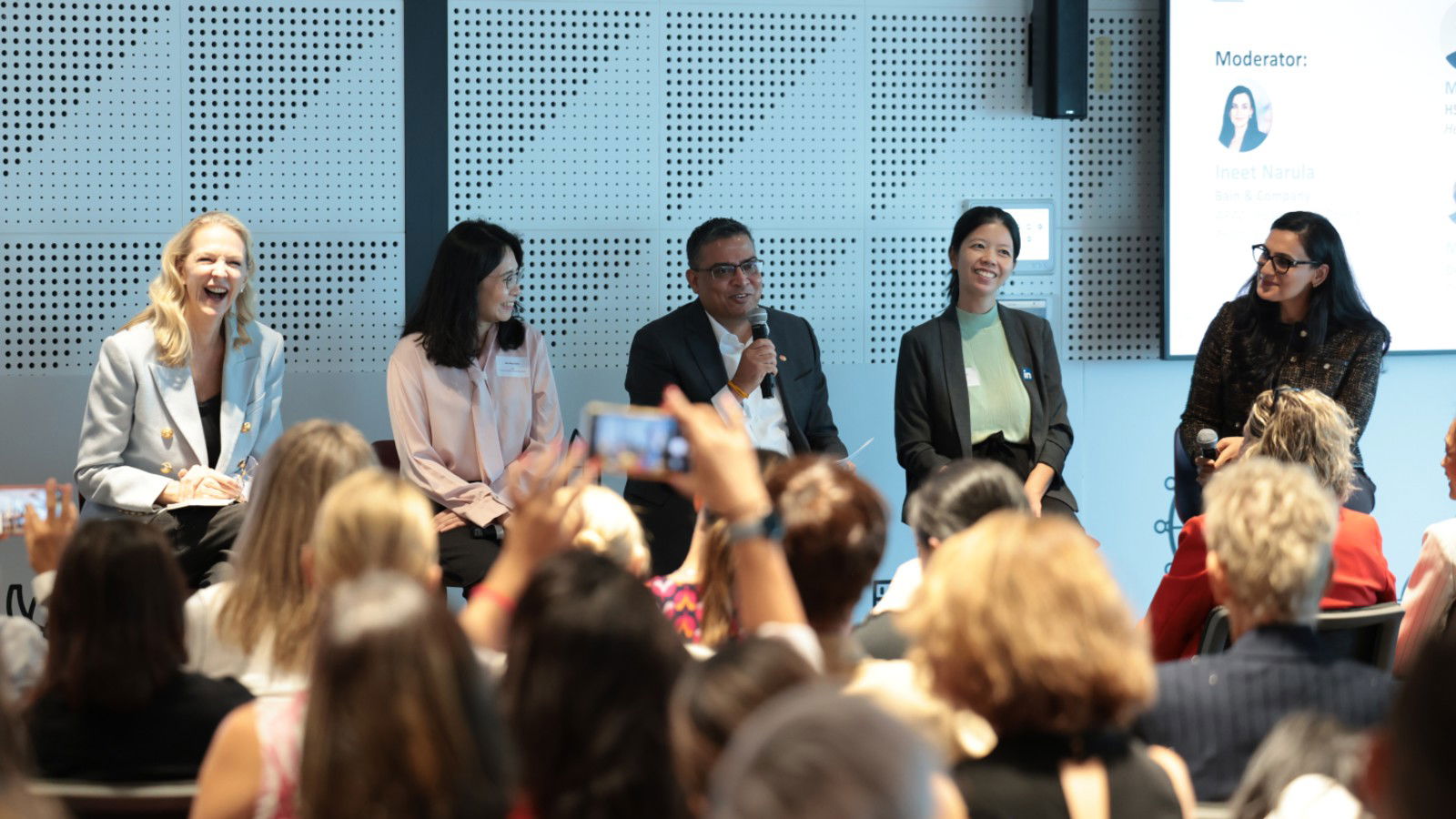
AI is transforming the labor landscape unevenly, particularly impacting gender representation in the workplace, according to a new report by the Singapore-based non-profit gender advocacy group NINEby9. At an event attended by HRO, the organization unveiled its study titled “AI and the Future of Women in the Workplace,” which highlights the disparities in opportunities and advancement for women in light of rapid AI adoption across the Asia-Pacific (APAC) region.
The findings reveal that while men dominate emerging AI-driven roles, women are over-represented in positions at high risk of automation, such as administrative and service functions. This imbalance threatens the future leadership pipeline as fewer women transition into high-value, AI-enhanced careers. In fact, across Singapore and Australia, women occupy approximately 10% more roles in occupations most disrupted by AI compared to their male counterparts, placing them in a precarious situation amid ongoing technological shifts.
One of the key insights from the report is the growing participation gap in AI-enabled positions. As of 2024, women hold just 24.4% of managerial roles globally and only 12.2% of C-suite positions in STEM-related fields, indicating stagnation or regression in several APAC markets. This situation raises concerns not only about current representation but also about how these patterns will shape future leadership dynamics.
The research underscores that women tend to adopt AI tools more cautiously and deliberately. According to senior business leaders, women prioritize clarity and fairness in their engagement with AI, often waiting for clear organizational policies before integrating these technologies into their work. Approximately 59% of women expressed a preference for structured guidelines, which may limit their visibility in fast-paced environments where early experimentation is often rewarded.
Despite acknowledging the transformative potential of AI, many organizations are implementing these technologies without adequate workforce foresight. Nearly half of APAC companies reported that AI adoption is mainly controlled by IT departments, reflecting a technology-centric mindset. Alarmingly, 42% of employees indicated they had received no AI training or guidelines from their employers, raising the risk that existing gender inequalities could be reinforced rather than addressed through AI initiatives.
The demand for AI skills has surged since 2020, with job postings requiring such experience tripling. However, fewer than 15% of these roles are filled through internal promotions, highlighting a reliance on external hiring that further marginalizes women in AI-adjacent roles. While many workers are eager to learn new AI skills, large-scale reskilling initiatives remain scarce, leaving women with limited opportunities for advancement.
The report also reveals that current AI training models may inadvertently disadvantage women, as many programs are self-paced and optional, often scheduled outside of regular working hours. Women account for only about one-third of AI course enrollments and are more likely to enroll in beginner courses, with business leaders in Singapore identifying time constraints for reskilling as a major barrier to becoming skills-based organizations.
The impact of AI on entry-level roles is particularly concerning for Gen Z women, who face shrinking pathways into high-value careers. With a significant decline in global job postings for entry-level positions in high-growth sectors like technology and finance, young women are at a heightened risk of missing foundational opportunities. Research indicates these women are also less likely than their male peers to receive AI training, further compounding long-term career risks.
Human resources leaders in APAC recognize AI’s potential, especially in learning and workforce planning, but many feel ill-equipped to lead AI-driven transformations. More than half of HR respondents cited insufficient AI expertise as the main obstacle preventing them from shaping effective AI strategies. This gap between awareness and implementation highlights the urgent need for stronger collaboration between HR and technology leaders.
The findings emphasize that AI adoption is not merely a technological shift, but a workforce transformation requiring shared ownership. Organizations that invest in people and processes alongside technology are likely to achieve better outcomes. However, fewer than 1% of APAC organizations have adopted responsible AI frameworks that account for systemic change, underscoring the need for more inclusive practices from the outset.
As Christine Fellowes, Co-Founder and Chairperson of NINEby9, stated, “The C-Suite, including HR and technology leaders, must be aligned, collaborate with one another and communicate with stakeholders to unlock the full potential of people, process and technology to benefit the business.” The report calls for intentional inclusion strategies in AI initiatives to ensure that the benefits of technological advancements do not replicate past inequalities, emphasizing that the future of work must be shaped with gender equity in mind.
The research is informed by data from various reputable sources, including LinkedIn, the World Economic Forum, Coursera, BCG, Accenture, and Harvard Business Review, among others.
See also Tsinghua Study Reveals AI Boosts Research Output but Narrows Scientific Focus by 22%
 Researchers Launch deepmriprep to Revolutionize Voxel-Based Morphometry Preprocessing with Deep Learning
 Radical AI Unveils Self-Driving Lab to Accelerate Materials Discovery with $55M Funding
 Next-Gen AI Swarms Threaten Social Media Integrity as 50% of Online Text is Generated by Bots