

















































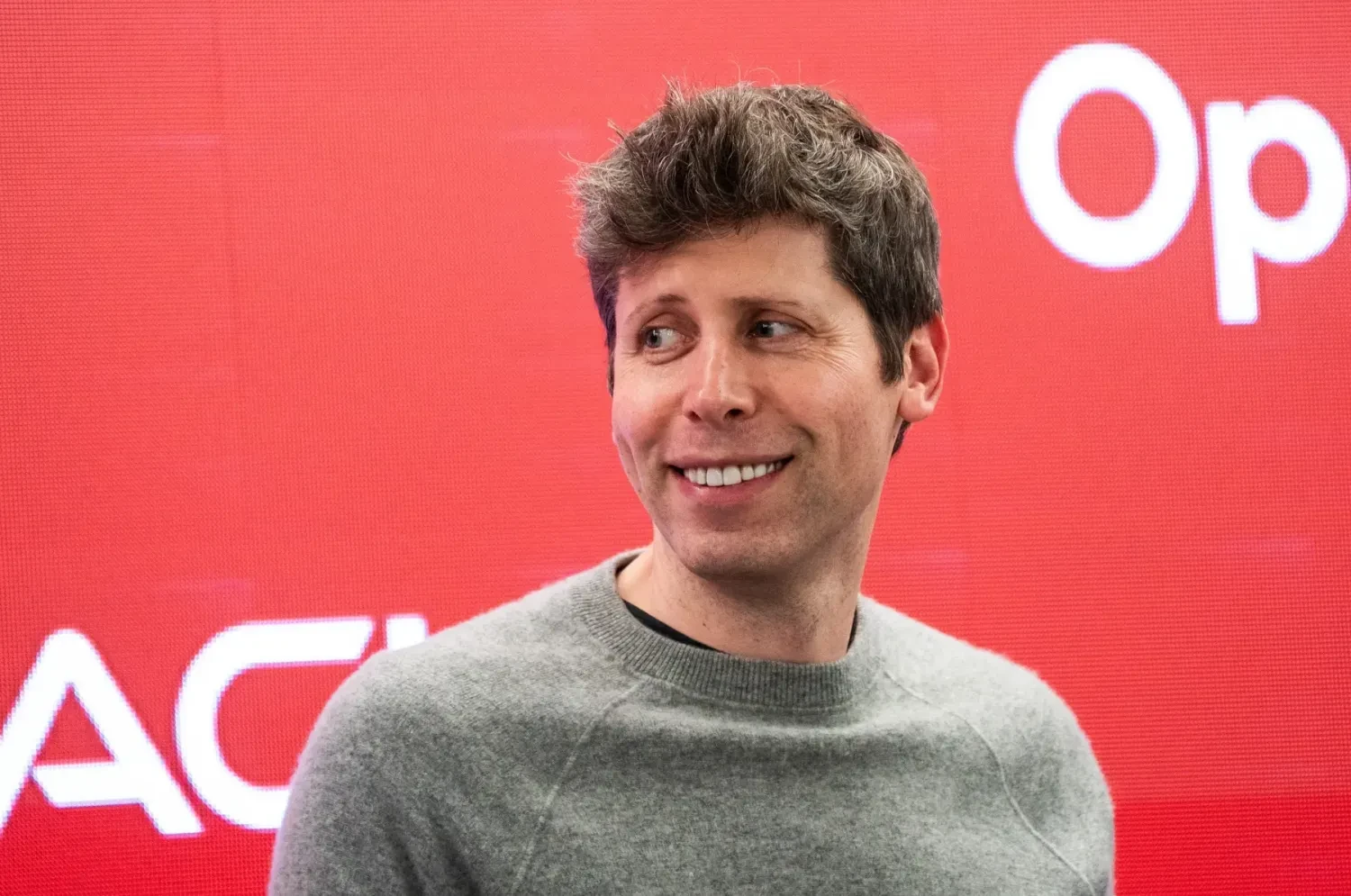
OpenAI CEO Sam Altman announced that the company is exploring a direct investment model in pharmaceutical firms leveraging its technologies to develop new treatments. Speaking at a Cisco Systems Inc. conference in San Francisco on February 3, Altman highlighted that such a strategy could help OpenAI mitigate the substantial costs associated with computing power while gaining a stake in future scientific discoveries. This development was reported by UNN.
Altman indicated that OpenAI may subsidize the application of its advanced artificial intelligence models for medical industry partners. In return, the company aims to receive royalties from patents or the commercialization of drugs developed with the assistance of its AI systems. Although no formal partnerships have been established yet, Altman underscored that the high capital requirements of large-scale scientific research position OpenAI as a potential strategic investor.
This commentary aligns with recent remarks made by OpenAI’s Chief Financial Officer, Sarah Friar, at the Davos forum, where she hinted at a forthcoming “value-sharing” model. Under this approach, OpenAI would earn a percentage of revenue generated from intellectual property created using its software. “We’re not doing that right now, but I think the frontier of scientific discovery with AI will require so much capital that in some of these cases, we will consider ourselves an investor,” Altman stated.
Despite this shift in focus, Altman assured that these initiatives would not disrupt the experiences of everyday users utilizing OpenAI’s API for standard tasks, emphasizing that the innovations would remain the company’s intellectual property. As OpenAI competes with tech giants such as Google and Anthropic in the medical sector, it is important to note that AI is already being deployed for molecular analysis and the processing of personal medical data.
As the landscape of artificial intelligence continues to evolve, OpenAI’s potential pivot toward strategic investments in pharmaceuticals represents a significant moment in the intersection of technology and healthcare. This move could not only enhance the company’s financial sustainability but also accelerate advancements in medical research, driven by AI capabilities. The implications of such partnerships could extend well beyond immediate financial returns, potentially leading to groundbreaking treatments and solutions for various health challenges.
See also OpenScholar Achieves Human-Level Accuracy in AI-Powered Research Synthesis
 AI-Powered RADIANT-LLM Revolutionizes Nuclear Engineering with Advanced Research Tools
 UTAR Hosts Inaugural Openmind Winter School on Reinforcement Learning with 60 Global Experts
 Edge AI Hardware Market Projected to Surge to $248.08 Billion by 2035, Driven by VR Demand
 VCU Expert Warns of Five Dangers Posed by Political AI Chatbots in Elections