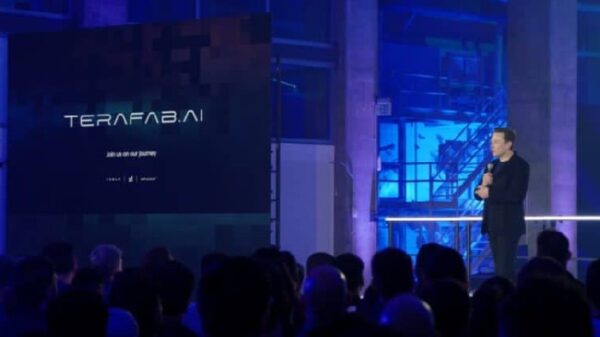





































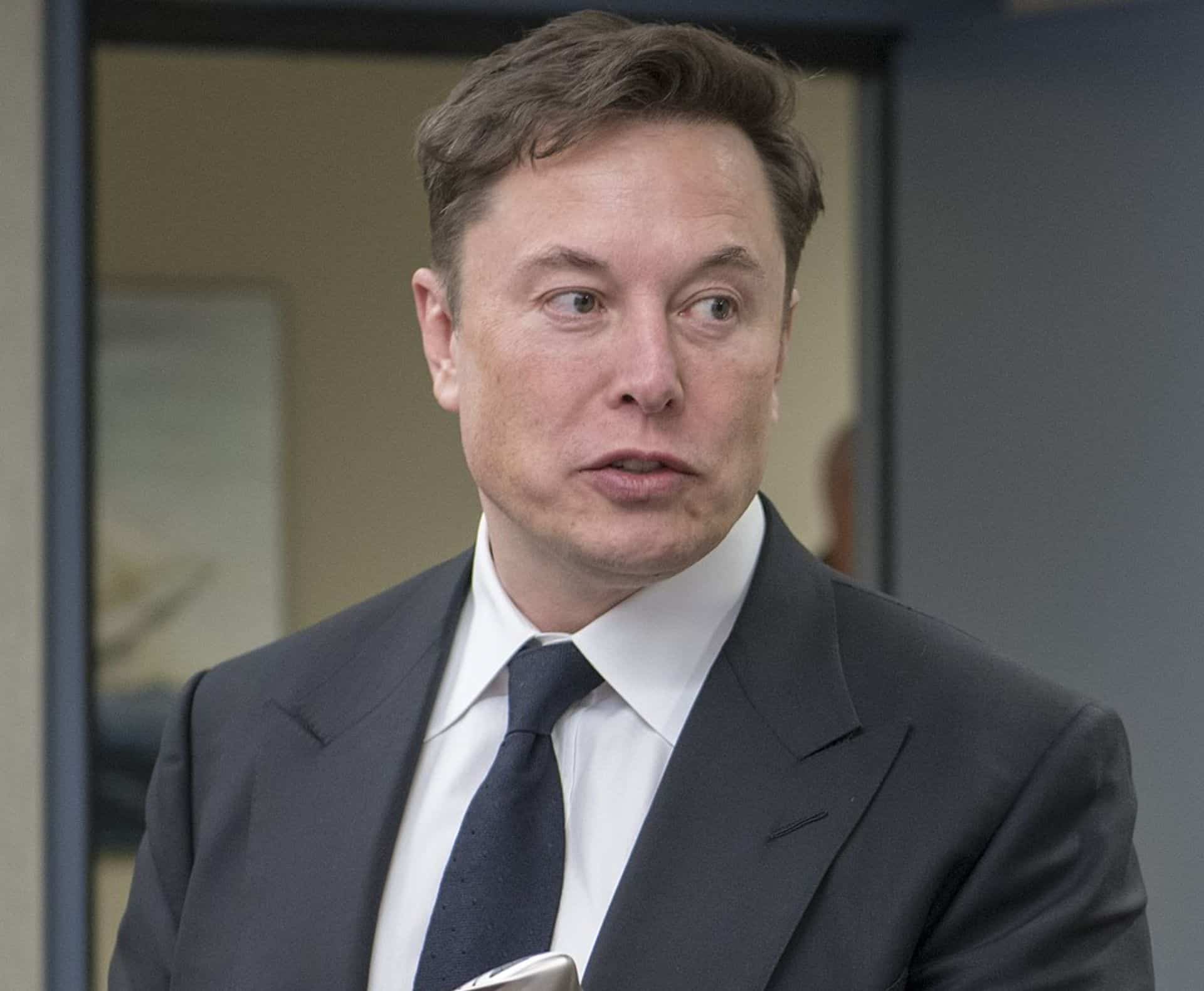
Elon Musk is integrating his aerospace company SpaceX with artificial intelligence firm xAI in an all-stock merger that values the newly formed entity at approximately $1.25 trillion. The move, announced on SpaceX’s website, underscores Musk’s ambition to blend AI capabilities with space infrastructure and orbital computing, a strategy that aims to create a robust technology platform.
According to insiders, internal valuations estimate SpaceX at $1 trillion and xAI at $250 billion. In a memo to employees, management emphasized the strategic importance of combining the two firms to enhance their technological synergies. The merger will unify various technological layers, combining launch systems, satellite networks, AI engines, and real-time global information platforms into one cohesive operation.
Under the new corporate structure, rocket operations, orbital connectivity, AI model training systems, and large-scale computing resources will function as an integrated unit rather than as separate entities. This shift aims to streamline operations and better leverage the unique strengths of each company, creating efficiencies that could accelerate development timelines for both space and AI technologies.
Despite the merger, plans for a public share offering later this year remain intact, with potential fundraising efforts expected to raise as much as $50 billion, marking one of the largest equity offerings on record. Internal documents suggest a share price of $526.59 for the merged company, though details on pricing mechanics have not yet been disclosed. Representatives from SpaceX and xAI have not publicly commented on the transaction.
The merger follows significant valuation increases for both companies in recent funding rounds. Earlier this year, xAI raised capital at a valuation of about $230 billion, while SpaceX was preparing for a December share sale that implied a valuation near $800 billion. This rapid growth reflects heightened investor interest in both AI and space sectors, which are increasingly viewed as interdependent.
Musk has long argued that space may soon provide the most cost-effective environment for large-scale AI computations. He predicts that in the next two to three years, off-planet processing could outperform terrestrial systems in terms of both cost and scale. This would enable companies to accelerate advancements in fields such as physics and applied technology, potentially transforming the landscape of scientific research and development.
To realize this vision, SpaceX is seeking regulatory approval for the deployment of up to one million satellites in Earth orbit, which would expand its computing and communications capabilities. This ambitious plan aligns with Musk’s broader strategy to leverage space as a platform for technological innovation.
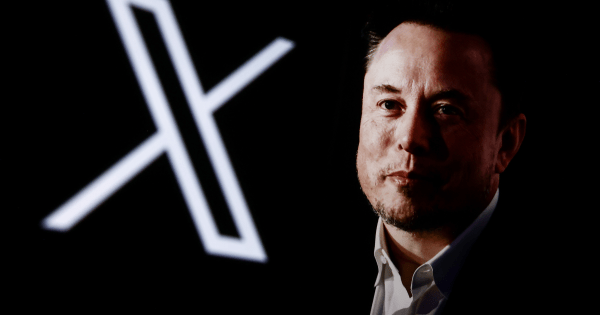
The merger also strengthens the ties among Musk’s various ventures. Following his acquisition of Twitter in 2022 and its subsequent rebranding to X, Musk integrated the social media platform with xAI in a separate $33 billion transaction. xAI, known for its Grok chatbot, engages in highly compute-intensive operations and currently spends about $1 billion monthly on advanced AI research. By combining resources with SpaceX, xAI stands to gain not only greater access to capital but also enhanced engineering capabilities and processing power, further intertwining Musk’s ventures in AI and space.
This strategic merger marks a significant step in Musk’s vision to revolutionize both space travel and artificial intelligence, creating a new paradigm where these technologies can mutually benefit from each other’s advancements. As the landscape of both industries continues to evolve, the implications of this merger could reverberate across the tech world, setting new standards for innovation and operational efficiency.
See also SoftBank Partners with Intel, Eyes $30B Investment in OpenAI Amid AI Infrastructure Push
 Alphabet Reports $113.8B in Q4 Revenue Amid 13% Tech Stock Selloff
 Joule Secures $60M in Series B to Launch AI-Ready BetterGrid Data Center Platform
 NVIDIA Delays RTX 50 Graphics Card Release Amid AI Chip Demand Challenges
 Google Cloud Secures Billion-Dollar Contracts, Reshaping Enterprise AI Landscape