











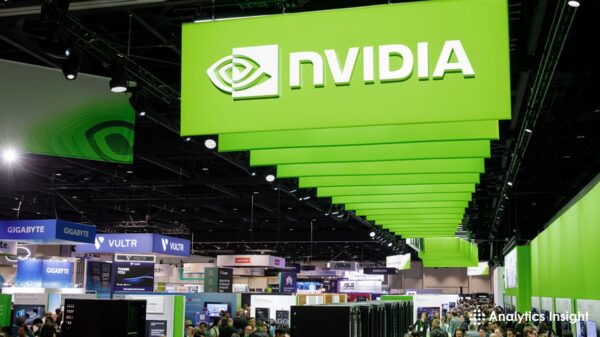






























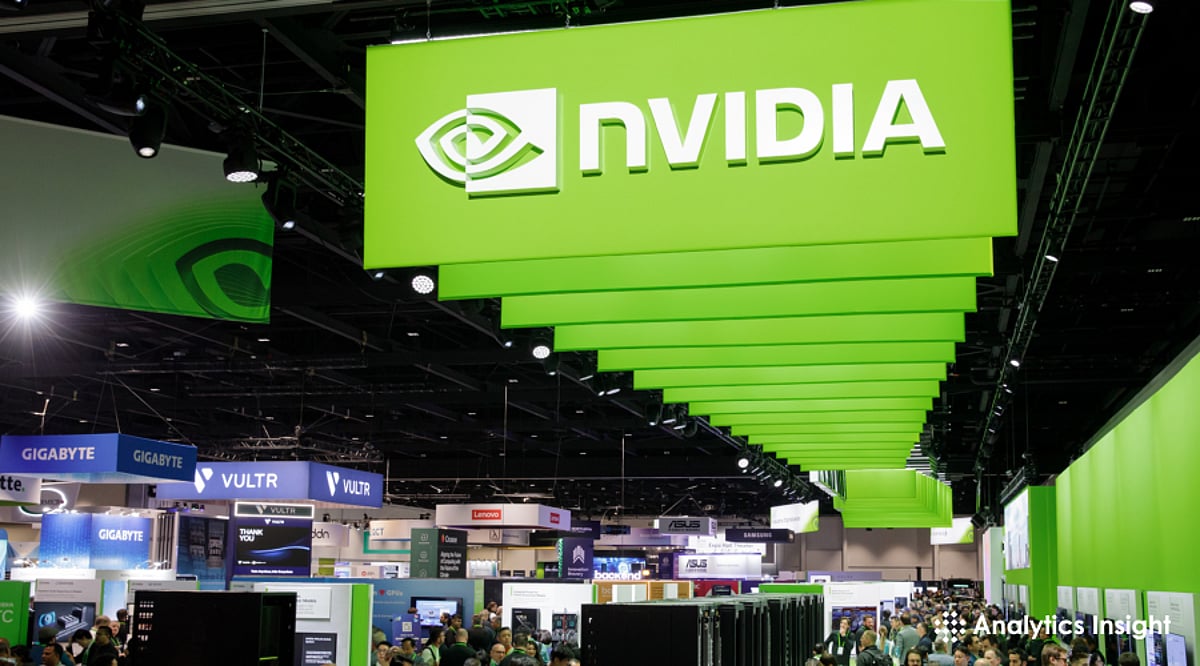
NVIDIA is set to spotlight its software innovations at the upcoming GTC 2026, focusing on AI development frameworks such as CUDA and CUDA-X, which optimize applications on its hardware. These toolsets are critical across various sectors including research, engineering, and high-performance computing environments, and will be thoroughly examined in sessions throughout the event.
A central theme emerging from this year’s conference is the transition towards agentic AI, where systems are engineered to autonomously execute extended, multi-step tasks. Breakout sessions and workshops will demonstrate how developers and enterprises can effectively compose, launch, and manage these intelligent agents. This includes discussions on their connections to context-aware data sources and adherence to governance practices suitable for large-scale, real-world applications.
Industry analysts expect NVIDIA to delve deeper into enterprise-focused software frameworks designed for autonomous systems. This includes the unveiling of an open-source platform intended to assist organizations in building and deploying AI agents that extend beyond mere model access. Innovations in orchestration, context integration, and scalable deployment reflect a significant shift from single-task models to more sophisticated systems capable of handling complex, interactive workloads.
Attendees of GTC 2026 will witness a range of demonstrations that showcase advancements in robotics, autonomous vehicles, and simulated environments. These AI-driven physical systems are poised to illustrate how NVIDIA’s computing architectures effectively bridge the gap between data centers and edge computing applications. By showcasing these technologies, NVIDIA aims to highlight the practical implications of its compute stacks as they reach into various industrial sectors.
The focus on agentic AI aligns with a broader industry trend that seeks to leverage artificial intelligence for more complex and multifaceted tasks. By providing developers with the tools necessary to create capable autonomous systems, NVIDIA is positioning itself as a leader in this transformative area of technology. The company’s commitment to enhancing the capabilities of AI systems reflects a growing recognition of their importance in driving efficiency and innovation across multiple domains.
As the conference approaches, discussions are intensifying around the potential applications of these technologies. NVIDIA’s push into autonomous systems is particularly relevant given the increasing demand for such solutions in industries ranging from automotive to logistics. The ability to deploy AI agents that can function independently not only promises to streamline operations but also to revolutionize the way organizations approach problem-solving.
In addition to the technical sessions and workshops, GTC 2026 will provide a platform for networking among industry leaders, developers, and researchers. The collaborative atmosphere is expected to foster discussions that could lead to new partnerships and initiatives aimed at advancing AI technologies. As the capabilities of these systems expand, so too does the potential for impactful applications across various sectors.
NVIDIA’s ongoing investment in AI development, including its recent initiatives around the Thinking Machines Lab, underscores its determination to remain at the forefront of this rapidly evolving field. The anticipated deployment of 1GW AI chips further illustrates the company’s commitment to scaling its offerings and maintaining a competitive edge in the market.
As GTC 2026 unfolds, the insights gleaned from the event will likely shape the future of AI development. With an emphasis on both technical capabilities and practical applications, NVIDIA is poised to influence the trajectory of autonomous systems and agentic AI. The implications of these advancements may extend well beyond the conference, impacting industries and consumers alike as they adapt to an increasingly automated world.
See also Tesseract Launches Site Manager and PRISM Vision Badge for Job Site Clarity
 Affordable Android Smartwatches That Offer Great Value and Features
 Russia”s AIDOL Robot Stumbles During Debut in Moscow
 AI Technology Revolutionizes Meat Processing at Cargill Slaughterhouse
 Seagate Unveils Exos 4U100: 3.2PB AI-Ready Storage with Advanced HAMR Tech