















































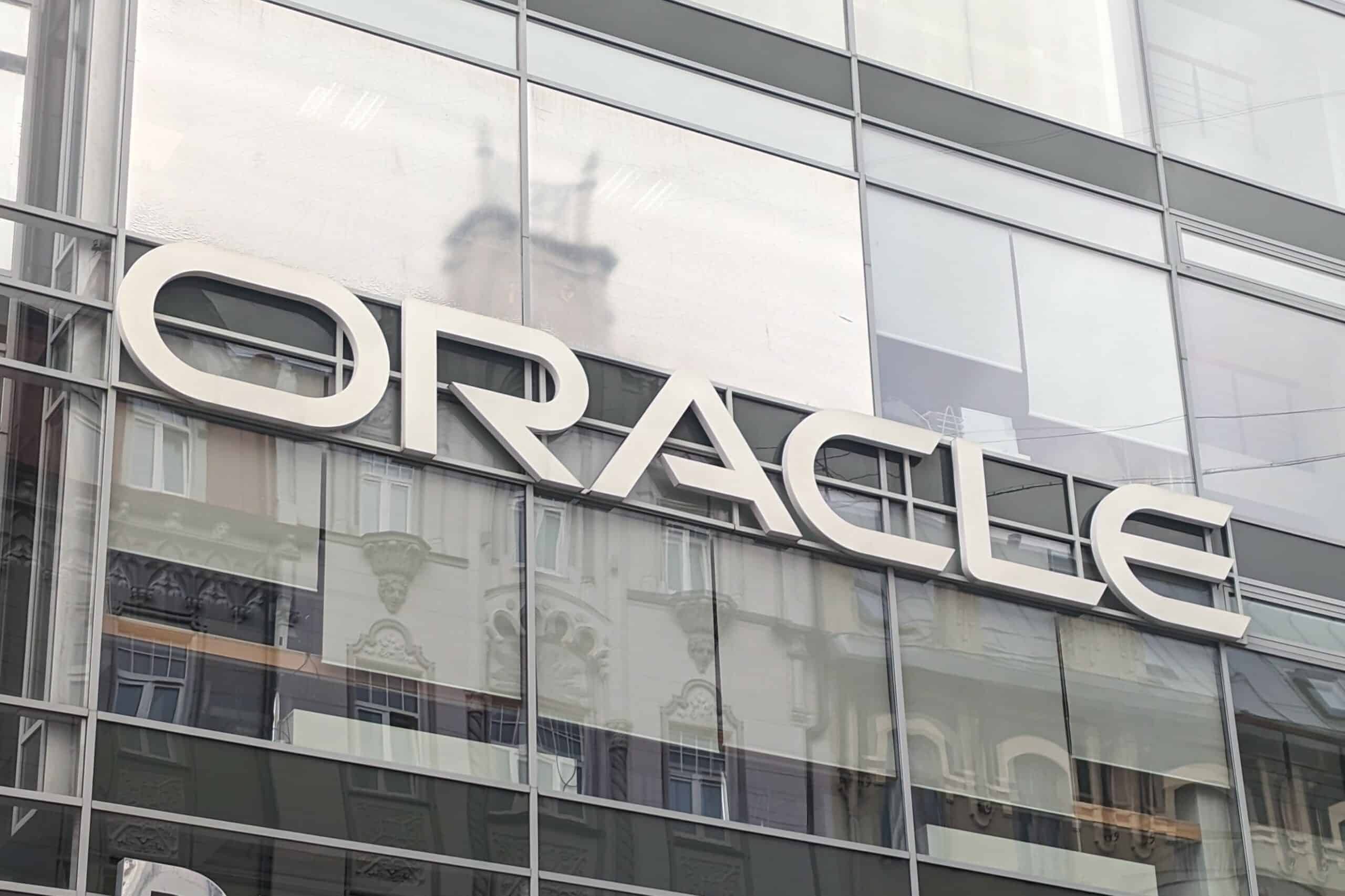
Oracle is nearing the completion of a $16 billion financing deal to establish a new data center in Michigan, shortly following a significant layoff announcement. The financing marks the culmination of extensive negotiations involving investors, banks, and local officials, as reported by Bloomberg. This facility aims to bolster Oracle’s capacity for running demanding AI applications, including those for OpenAI, underscoring the surging demand for computing power in the artificial intelligence sector.
The financing package is anticipated to comprise both equity and debt, with investment firm Blackstone contributing approximately $2 billion, a figure notably lower than earlier projections. The remaining funding is expected to be sourced through substantial debt financing, primarily led by Bank of America. Initial considerations of traditional construction loans have shifted, with plans now including the possibility of raising funds through bonds.
The financing structure highlights Oracle’s approach to managing its growth. Once the data center is operational, Oracle will lease the facility, using future rental income as collateral for lenders. This strategy effectively keeps the associated debt off Oracle’s balance sheet, although it has drawn increasing scrutiny from investors concerned about the sustainability and implications of such arrangements.
Difficulties emerged during negotiations, particularly from local officials in Saline Township, who initially opposed the project due to significant concerns over energy consumption and environmental impact. The proposed data center is projected to demand more electricity than some power plants. Progress resumed only after an agreement was reached regarding the zoning of the area.
Additionally, the financial sector exhibited hesitance, with lenders questioning Oracle’s lease terms and seeking assurances that payments would continue even if the data center operated below capacity. Rising financing costs suggest that banks view such projects as increasingly risky, complicating funding efforts.
The urgency of this deal aligns with Oracle’s aggressive investments in AI infrastructure, though it comes at a cost to the company’s cash flow. Currently, Oracle is dealing with negative free cash flow while attempting to reduce costs amid its expansive growth phase. The alignment with OpenAI is particularly significant, as the developer of ChatGPT continues to scale but remains capital-intensive and unprofitable. Rating agencies expect Oracle to face ongoing pressure in the coming years due to the substantial investments required to meet the escalating demand for AI services.
In tandem with these developments, Oracle has executed a large-scale round of layoffs, affecting an estimated 10,000 employees. Many affected individuals took to LinkedIn to express that these layoffs were not performance-related. Oracle indicated that the workforce reductions are linked to its heavy AI investments, which are exerting considerable pressure on the company’s cost structure.
The growing dependence on OpenAI is pivotal to Oracle’s strategy, even as banks increase their exposure to the company due to its swift growth in the AI space. Some financial institutions are looking to mitigate their risk by offloading portions of their loans. While there is market confidence in the future of AI, a cautious sentiment persists regarding the underlying financial health driving this rapid expansion.
See also Tesseract Launches Site Manager and PRISM Vision Badge for Job Site Clarity
 Affordable Android Smartwatches That Offer Great Value and Features
 Russia”s AIDOL Robot Stumbles During Debut in Moscow
 AI Technology Revolutionizes Meat Processing at Cargill Slaughterhouse
 Seagate Unveils Exos 4U100: 3.2PB AI-Ready Storage with Advanced HAMR Tech