









































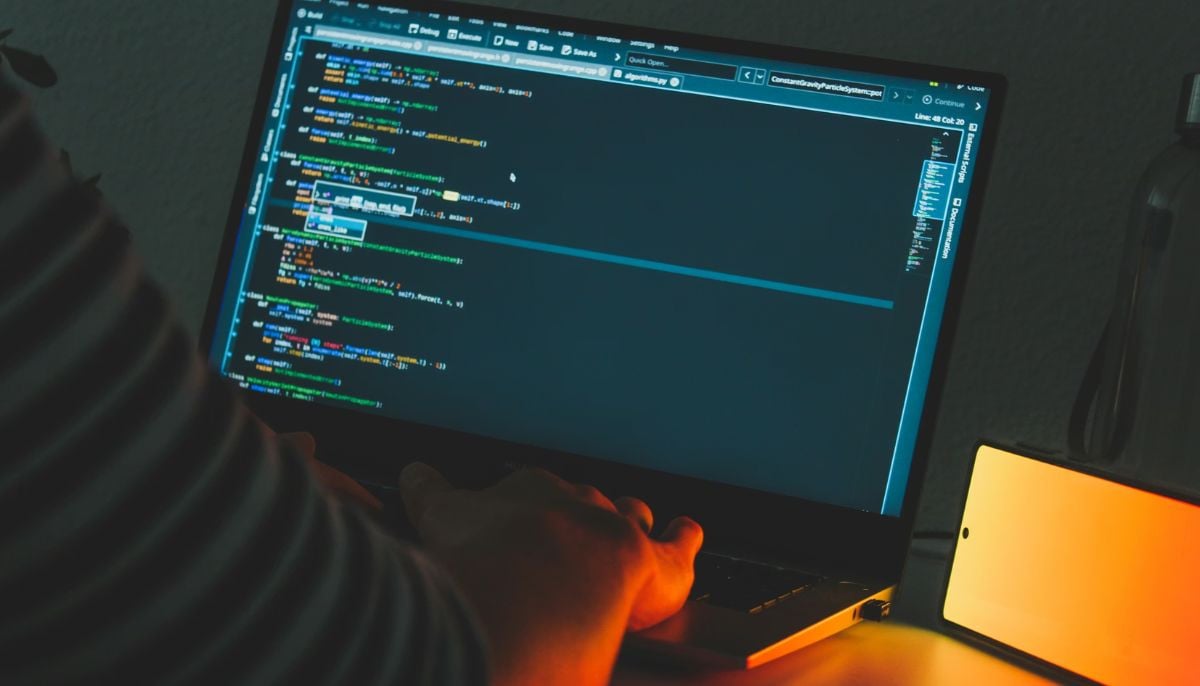
Tech executives are increasingly predicting a transformative shift in the software engineering landscape, driven primarily by advancements in artificial intelligence (AI). A viral post by social media user @TheVixhal highlighted that the industry is shifting away from manual code writing toward deeper theoretical thinking and systems-level reasoning. This sentiment was echoed by Srinivas, a prominent figure in the field, who affirmed, “Well said,” indicating a shared belief among industry leaders that AI is reshaping the role of engineers.
AI tools are rapidly automating routine coding tasks that previously required significant time and effort from software engineers. This change allows developers to focus more on complex problem-solving, theoretical considerations, and system development. Srinivas’ endorsement of the viral post underscores a consensus that the future of engineering will demand higher-level cognitive skills rather than repetitive coding.
Other tech leaders have voiced similar views. Anthropic CEO Dario Amodei noted that AI could handle most software engineering tasks within the next six to twelve months, prompting a reevaluation of traditional job roles in the sector. Replit CEO Amjad Masad added that conventional software engineering jobs may become obsolete, as the field evolves toward more generalist roles focused on product or systems development.
However, not all industry executives advocate for a complete transition away from traditional roles. Nvidia CEO Jensen Huang cautioned against the notion of job displacement due to AI. “You’re not going to lose your job to an AI, but you’re going to lose your job to someone who uses AI,” he stated, emphasizing the need for engineers to adapt to emerging technologies rather than be entirely replaced by them. Huang also pointed out that manual trades, such as plumbing or electrical work, are less likely to be automated.
As the landscape continues to evolve, engineering professionals are urged to embrace AI as a tool to enhance their capabilities rather than perceive it purely as a threat. The implications of this evolution extend beyond the tech industry; they signal a broader shift in workforce dynamics across various sectors. The ongoing integration of AI into everyday tasks may redefine the skills required for success in an increasingly automated world, thereby reshaping educational and training pathways for future engineers.
The conversation around AI’s impact on software engineering reflects a larger narrative about the role of technology in society. As tools become more sophisticated, the capacity for human workers to leverage these tools will ultimately dictate their relevance in a rapidly changing job market. This emerging reality calls for a reevaluation of career trajectories and a renewed emphasis on lifelong learning and adaptability within the workforce.
See also Tesseract Launches Site Manager and PRISM Vision Badge for Job Site Clarity
 Affordable Android Smartwatches That Offer Great Value and Features
 Russia”s AIDOL Robot Stumbles During Debut in Moscow
 AI Technology Revolutionizes Meat Processing at Cargill Slaughterhouse
 Seagate Unveils Exos 4U100: 3.2PB AI-Ready Storage with Advanced HAMR Tech