















































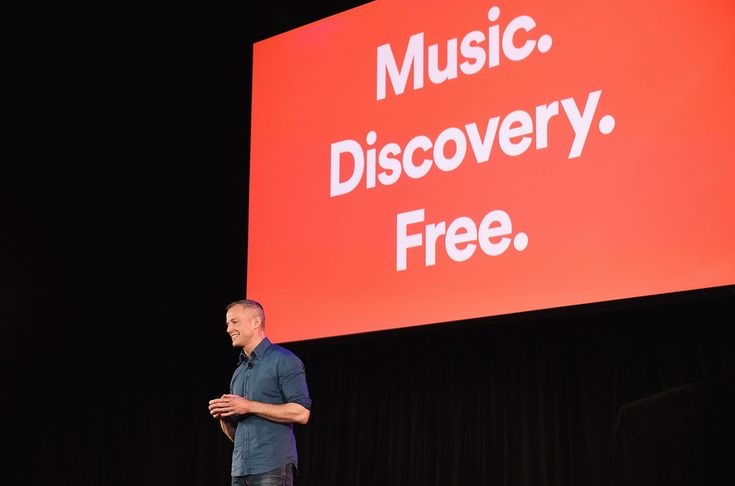
Spotify is exploring the potential of allowing users to create AI-based versions of existing songs, such as covers or remixes, but is facing challenges due to licensing agreements. During the company’s Q4 2025 earnings call on February 10, 2026, Co-CEO Gustav Söderström highlighted the divide in AI music into two categories: fully original tracks generated by AI tools and derivatives that expand upon existing recordings.
Söderström emphasized that the greatest opportunities lie in these derivatives, which could provide artists with avenues to generate additional income from their current catalogues. He remarked, “Everything we see tells us listeners want to interact with their favorite music and many artists want to let them, creating new revenue from their existing catalog.” Spotify is currently equipped with the technology required to build these features, working collaboratively with artists and industry partners.
However, a significant hurdle remains in the absence of a defined rights framework for AI-generated derivatives. This lack of clarity has led Spotify to focus its AI initiatives on generating new content. Söderström expressed a willingness to collaborate with parties who are willing to pioneer clear licensing terms, urging the industry to take steps towards establishing these agreements.
Co-CEO Alex Norström reinforced that Spotify’s approach is centered on ensuring that any deals struck ultimately benefit artists. His comments coincided with statements from Warner Music Group CEO Robert Kyncl, who revealed that superfan subscription tiers would include AI creation tools, with ongoing discussions taking place between Warner and streaming platforms.
The industry continues to grapple with the implications of AI music restrictions, as Universal Music Group and Warner Music have formed partnerships with AI platform Udio, establishing limits on downloads and sharing beyond their services. In contrast, Warner’s separate agreement with Suno allows users greater freedom, including the ability to download content.
Norström dismissed the notion that standalone AI music platforms like Suno or Udio could compete directly with Spotify’s streaming services, asserting that no major rightsholders are opposed to Spotify’s vision. On the subject of fully AI-generated tracks, Söderström clarified that Spotify does not dictate the tools available to artists, likening AI to traditional instruments such as electric guitars. However, he emphasized the importance of transparency, stating that users should be informed regarding the origins of the music they consume.
Spotify is actively developing metadata standards aimed at enhancing disclosure and has launched initiatives like “About The Song” to provide listeners with insights into track information. While Söderström acknowledged the potential for AI to increase spam uploads, he pointed out that Spotify has already invested heavily in combating such content, having removed over 75 million spammy tracks in the year leading up to September 2025. He regards AI spam as a continuation of an existing challenge rather than a new phenomenon.
As the landscape of music continues to evolve with technology, Spotify’s pursuit of integrating AI into its platform highlights both the innovative potential and the regulatory complexities that lie ahead. The company’s commitment to working with artists and establishing clear frameworks will be crucial as it navigates these uncharted waters.
See also Kampus Insights CC Launches Free Spark Curiosity AI Tool and “Fearless” Album for Educators
 MIPS Showcases RISC-V Innovations for AI at Chiplet Summit 2026 in Santa Clara
 Intellect Design Arena Launches Affordable AI Platform for Mid-Sized Firms, Targeting $1B Revenue Potential