







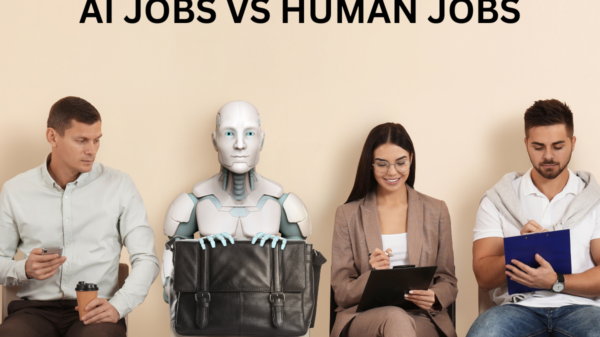
































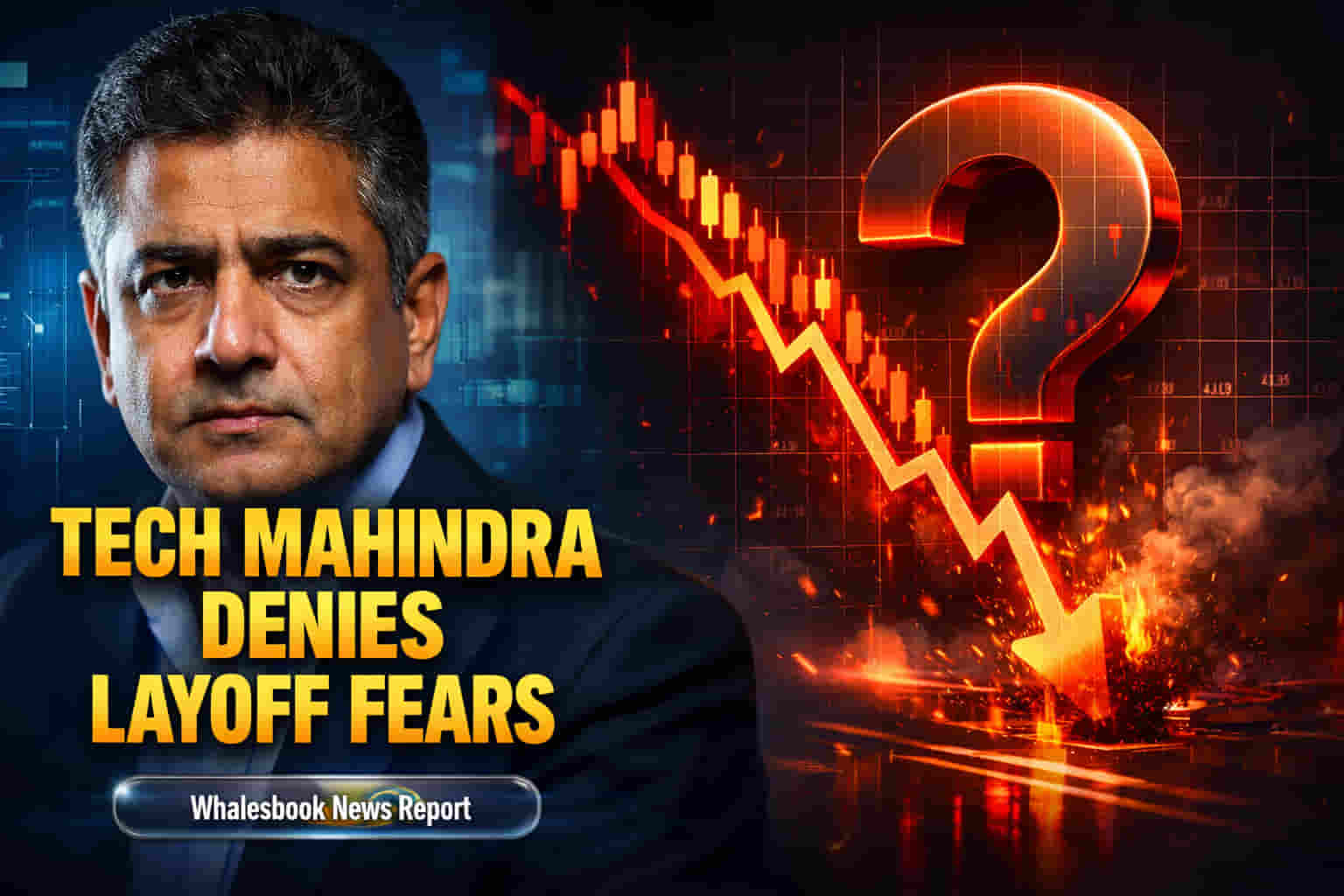
Tech Mahindra has publicly refuted rumors regarding a significant workforce reduction, countering social media claims that suggested layoffs affecting up to 30,000 employees. The company issued a statement to regulatory bodies, declaring, “no such proposal is under consideration” and firmly denying the speculation. This denial comes amid rising concerns within the technology sector about the implications of artificial intelligence on employment and existing business models. Although unions have not reported any employee grievances related to potential layoffs, there is a prevailing sentiment of downsizing aimed at enhancing cost-efficiency across various firms.
In contrast to the fears of layoffs, Tech Mahindra’s leadership, led by CEO Mohit Joshi, views artificial intelligence as a driving force for increased productivity and future growth. Joshi has emphasized that the company is evolving to meet the challenges of the “AI age” by developing innovative pricing models and anticipating improved productivity across both development and support functions. Industry analyses support this outlook, indicating that the deployment of generative and agentic AI is likely to yield efficiency gains of 15-35% on average. While some roles may undergo transformation, the expectation is that significant job losses are unlikely. Instead, the emphasis is shifting towards workforce reskilling and transformation, with Tech Mahindra being recognized for its capabilities in generative AI consulting and implementation services.
This denial from Tech Mahindra follows a report showing a slight decline in the company’s overall headcount during the second quarter of FY26. Joshi characterized the modest 2-3% reduction as “not a plunge,” pointing to a calculated approach to workforce management rather than a sweeping downsizing strategy. The IT services sector has faced considerable volatility, reflecting a broader decline in stock prices observed in February 2026. This downturn is partially attributed to apprehensions over AI’s potential to disrupt traditional outsourcing and consulting frameworks, a sentiment that has also affected Tech Mahindra’s stock performance during this period.
Operating within a fiercely competitive IT services landscape, Tech Mahindra faces rivals such as Tata Consultancy Services (TCS), Infosys, and Wipro, alongside global firms like Accenture and IBM. Some of these competitors, including TCS, have disclosed significant workforce adjustments, fueling sector-wide concerns. However, analysts contend that while AI may introduce short-term uncertainty, it is expected to ultimately expand the Total Addressable Market (TAM) for Indian IT firms, positioning them for stronger growth in the long run. Tech Mahindra’s current market capitalization is approximately ₹1.30 trillion, with a price-to-earnings (P/E) ratio ranging from 25-28x. Though this figure exceeds the Indian IT industry’s average of 19.6x, it remains competitive within its peer group. The company’s focus on digital transformation, cloud, and AI-driven solutions is aimed at enhancing its market position and driving future revenue growth, with an anticipated stabilization in performance expected in the latter half of FY26.
Despite Tech Mahindra’s proactive denial of rumors and its optimistic view on AI, significant risks remain. The overarching narrative surrounding AI automation and job displacement cannot be ignored, particularly as global forecasts suggest that up to 300 million jobs could be affected by AI advancements by 2030. The existing trend of cost-cutting through workforce reductions remains a significant concern. If the adoption of AI accelerates faster than the workforce’s ability to adapt, it could result in margin compression and a disconnect between talent and required skills. Furthermore, while Joshi underscores AI’s role as a productivity enhancer, a notable gap persists in India regarding access to AI tools and their practical application in daily tasks, highlighting challenges in effectively integrating AI into workflows. Additionally, reports of employee conduct controversies, including an alleged hate speech incident on LinkedIn, could pose reputational risks for the company, raising questions about its corporate culture and accountability. Historical metrics suggest that Tech Mahindra has experienced poor sales growth over the past five years, coupled with a low return on equity over three years, pointing to structural vulnerabilities that may be exacerbated by rapid technological evolution.
Disclaimer:This content is for educational and informational purposes only and does not constitute investment, financial, or trading advice, nor a recommendation to buy or sell any securities. Readers should consult a SEBI-registered advisor before making investment decisions, as markets involve risk and past performance does not guarantee future results. The publisher and authors accept no liability for any losses. Some content may be AI-generated and may contain errors; accuracy and completeness are not guaranteed. Views expressed do not reflect the publication’s editorial stance.
See also AI Transforms Health Care Workflows, Elevating Patient Care and Outcomes
 Tamil Nadu’s Anbil Mahesh Seeks Exemption for In-Service Teachers from TET Requirements
 Top AI Note-Taking Apps of 2026: Boost Productivity with 95% Accurate Transcriptions
 Machine Learning Tools Transform Materials Discovery, Enhancing Semiconductor Efficiency