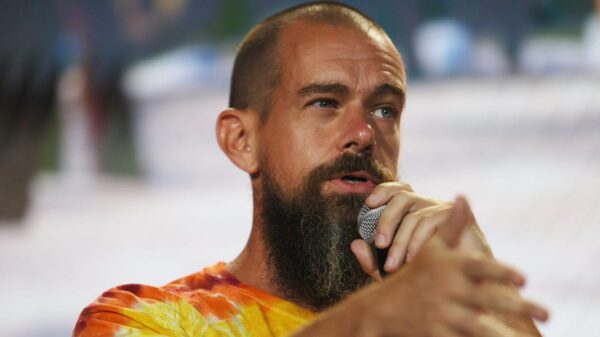
















































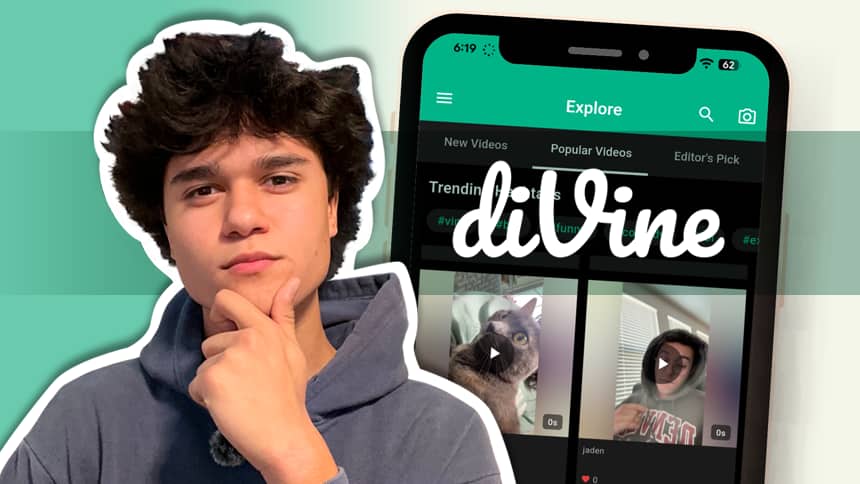
After nearly nine years since its shutdown in 2017, the short-form video-sharing app Vine is set to make a comeback in a new form. Jack Dorsey, co-founder of Twitter, along with Evan Henshaw-Plath, a former Twitter employee known as Rabble, have announced the launch of a new app called DiVine, which draws inspiration from Vine’s iconic six-second video format.
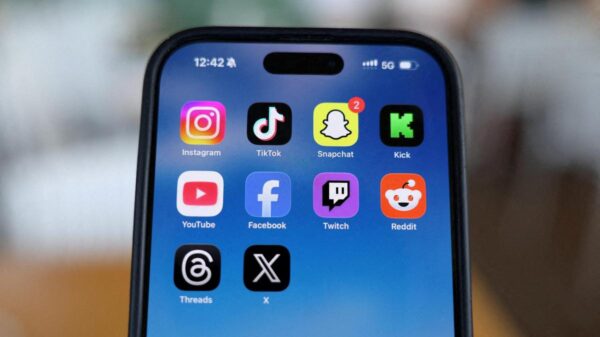
Vine was established in 2012 and quickly gained popularity after being acquired by Twitter months later. Its unique model allowed users to create and share short videos, enabling a new wave of content creation that has since influenced platforms like TikTok. At its peak, Vine boasted around 200 million users, launching the careers of several internet personalities including Shawn Mendes, Logan Paul, and David Dobrik. However, the app was discontinued in 2017 due to financial difficulties and increasing competition from other social media platforms, such as Snapchat and Instagram, which introduced similar video-sharing features.
Despite its closure, Vine has maintained a presence in the digital sphere through compilations that continue to be popular on YouTube and TikTok. DiVine aims to revive the essence of Vine while offering several distinct features. The new app will allow users to post looping videos up to six seconds in length, just like its predecessor, and it will include over 100,000 archived videos from the original Vine platform.
A key differentiator for DiVine is its approach to content ownership and curation. Users will retain ownership of their videos, and the platform will not rely on algorithms to dictate what content is shown to users. According to a statement from the company, DiVine aims to distance itself from what it refers to as “AI slop,” emphasizing the importance of “real content made by real people.” To uphold this standard, DiVine intends to flag suspected AI-generated content and restrict it from being uploaded.
Currently, DiVine is in a beta phase, which means it is available only to a limited group of test users. The company has not yet announced when the app will be accessible to a broader audience, including users in Canada. As video content continues to dominate online engagement, the success of DiVine may hinge on its ability to attract former Vine users and new creators alike while navigating a highly competitive social media landscape.
As the app moves toward a wider release, it will be interesting to observe how DiVine positions itself in an increasingly crowded field of video platforms and whether it can recapture the magic that made Vine a cultural phenomenon.
See also Dtonic Launches AI-Driven ‘Pharmkeeper’ for Enhanced Pharmacy Security and Efficiency
 Colombian Students Win NASA Challenge with AI Tool Detecting Exoplanets in 48 Hours
 Shilpa Shetty Sues 28 Defendants Over AI Deepfakes and Identity Misuse in Bombay High Court
 Stylus Education Secures £250,000 DfE Funding for AI-Powered Marking Tools
 Google Reveals AI Features in Arts & Culture App: World Toon Video and Art Chats