

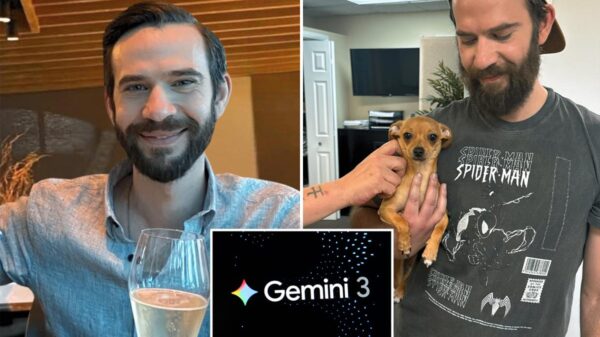


















































The rise of artificial intelligence (AI) has intensified concerns over misinformation, exemplified by a bizarre incident involving Denver Broncos beat writer Cody Roark. In late December, Roark discovered a post on Facebook falsely announcing his death, complete with an AI-generated image of him purportedly holding a child and bearing the message “RIP.” Roark, who has no children, was alarmed to learn of his own demise as reported by the account “Wild Horse Warriors.”
The now-defunct Facebook page presented Roark as a “Denver Broncos analyst” who had “dedicated over a decade to protecting the team,” claiming he died as a result of a “heartbreaking domestic violence incident.” However, it quickly became clear that the story was fabricated, a product of AI-generated misinformation.
Reflecting on the incident, Roark stated, “It was just one of those things you hate seeing. Just doesn’t make sense. I always thought, like — usually you see that happen to, like, high-profile celebrities.” His experience is unsettling, as he expressed, “For that to happen to me was just really weird. Very, very weird.”
The “Wild Horse Warriors” account had garnered around 6,200 followers in recent months and had been responsible for multiple fabricated stories about the Broncos. According to reports from the Denver Post, this included false claims that wide receiver Courtland Sutton refused to wear an armband in support of LGBTQ rights during a game, illustrating the potential for reputational harm.
This incident is not an isolated case. The proliferation of AI-generated misinformation has shown alarming parallels across different platforms. In December, an overview generated by Google falsely labeled a Canadian folk musician as a convicted sex offender, leading to financial losses and reputational damage that could take years to remedy. Such occurrences indicate that tech companies are unwittingly providing tools that can easily be exploited for disseminating misinformation.
Roark, for his part, appears to be moving past the experience without significant damage to his reputation. However, the incident serves as a stark reminder of the potential consequences stemming from AI-generated content. As AI technologies become increasingly sophisticated, the risks associated with misinformation are likely to escalate.
This growing trend has prompted discussions about the responsibilities of tech companies. The situation is further compounded by regulatory concerns, which have led to measures such as government interventions aimed at curbing the spread of harmful content online.
In light of these challenges, it is crucial for both consumers and platforms to remain vigilant. As artificial intelligence continues to evolve, the need for robust verification processes will become increasingly important to prevent the spread of misinformation that can tarnish reputations and disrupt lives.
See also Anthropic Launches Claude for Healthcare, Streamlining Administrative Workflows for Providers
 Invest in Nvidia Now: Projected $213B Revenue by 2026 Amid AI Market Surge
 Elon Musk Accelerates AI Chip Development, Promising New Processors Every Nine Months
 Discover the Best ChatGPT Alternatives: Top AI Tools Tested for Performance and Value
 U.S.-Taiwan Tariff Deal Boosts TSMC’s Arizona Expansion, Lowers Chip Costs for Consumers