


































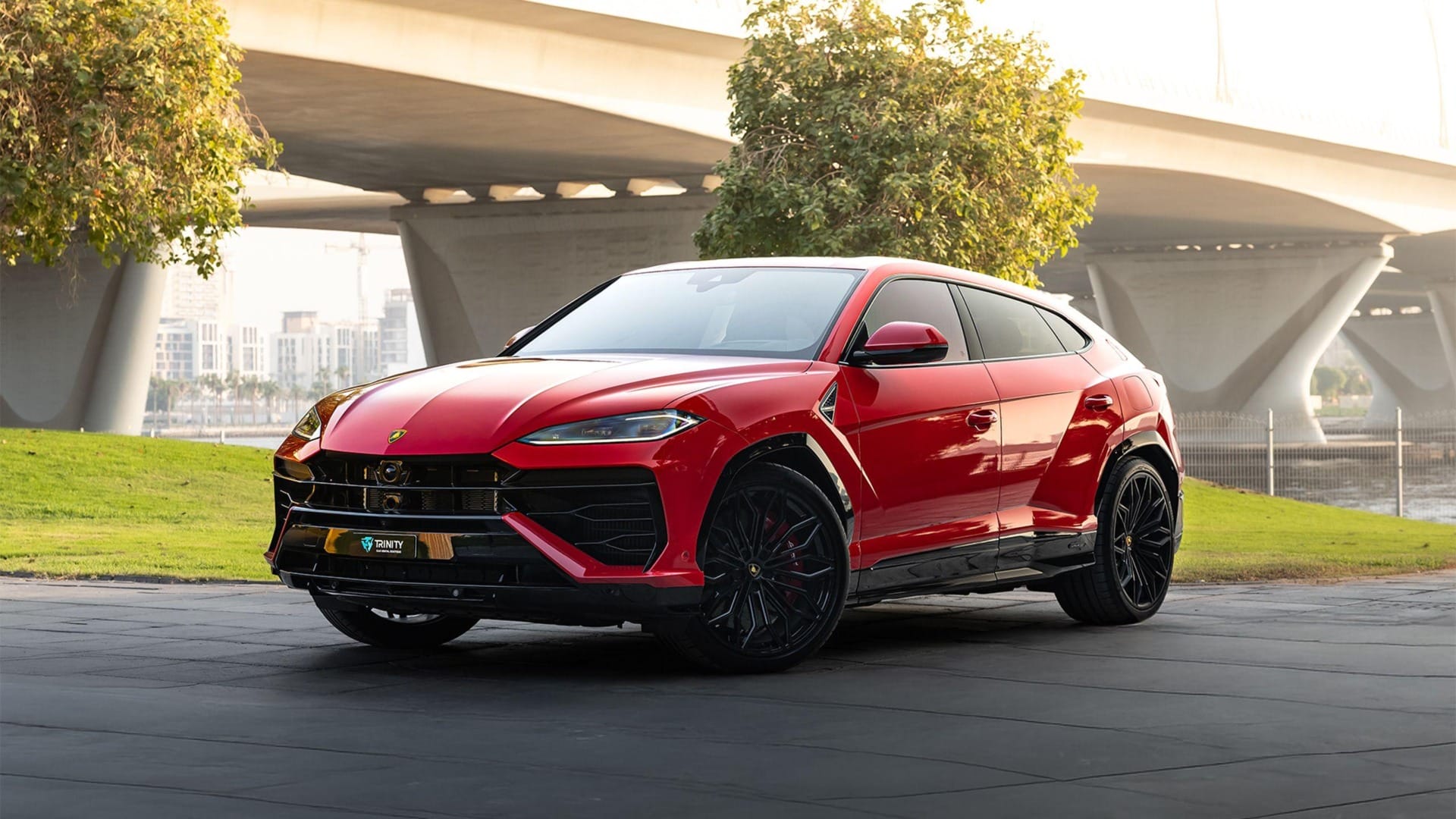
As corporate executives touch down in Dubai, they face a multitude of decisions before their feet hit the ground. Choices regarding hotel venues, transportation, and meeting logistics now increasingly rely on artificial intelligence. This technology is significantly reshaping how high-level professionals navigate the complexities of business travel in one of the world’s premier business hubs.
The integration of AI into luxury experiences may seem unexpected, yet it provides essential advantages for CEOs managing multiple meetings across expansive areas like Dubai. Algorithms analyze travel patterns, optimizing routes, departure times, and even vehicle selections to ensure seamless transitions between engagements.
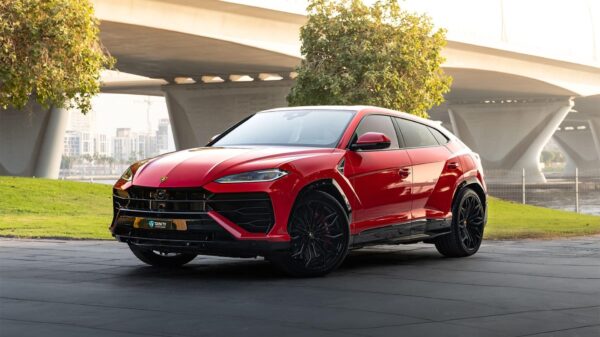
For instance, executives frequently opt for luxury rentals, such as the Urus through Trinity Rental, to create the right impression during client dinners in Downtown Dubai. AI-driven scheduling tools help inform these decisions by considering factors like travel time, parking availability, and proximity to venues.
Historically, business travel relied heavily on assistants, travel agents, and a fair amount of guesswork. Today’s AI platforms, however, can analyze patterns that often elude human observation. They identify congested traffic times on Sheikh Zayed Road, flag optimal vehicles for desert excursions, and remember individual preferences to tailor recommendations.
This technological shift manifests in various vital ways. AI performs route optimization by calculating the fastest paths between meetings while accounting for construction, local events, and even prayer times. Vehicle matching algorithms suggest cars based on passenger count, luggage needs, and the formal nature of meetings. Moreover, cost analysis features allow platforms to compare rental options while considering fuel costs, mileage limits, and hidden fees. Schedule integration is another critical function, as AI synchronizes transportation bookings with calendar apps, adjusting pickup times when meetings run long.
Given its status as a global business destination, Dubai serves as a testing ground for these advanced technologies. Each week, leaders from finance, technology, and real estate sectors converge here, demanding high-quality transportation services.
Nonetheless, even with the efficiency that AI brings, human judgment remains indispensable for certain decisions. While algorithms can suggest the ideal vehicle for a given context, choosing between a VIP sedan and an exotic SUV involves considerations of brand perception and personal comfort that machines cannot quantify. This is where providers like Trinity Rental blend technological efficiency with personalized human support.
Trinity Rental showcases a hybrid model, offering advantages that appeal to discerning clients. Their fleet comprises new vehicles with minimal mileage, including the latest models equipped with cutting-edge technology. The company’s flexible delivery options allow vehicle drop-offs at any location in Dubai, whether at the airport, a hotel, or a private residence. Payment methods are diverse, catering to international travelers with options for cash, credit cards, and cryptocurrency. Additionally, each rental comes with a full tank of fuel as a complimentary gesture, while dedicated managers ensure personalized service throughout the rental period. For those who prefer not to navigate unfamiliar roads, professional chauffeur services are also available.
A seamless experience extends beyond transportation in Dubai, as AI permeates various aspects of the business environment. Real estate companies utilize predictive analytics for investment opportunities, hotel chains deploy multilingual chatbots for bookings, and banks apply fraud detection systems capable of processing vast transaction volumes in real time. These AI applications enhance the experience for visiting executives, enabling effortless hotel check-ins through facial recognition and personalized restaurant recommendations based on stored dietary preferences.
However, an overreliance on technology may strip business travel of its spontaneity. The most valuable deals often arise from unplanned diversions and unexpected encounters. Smart executives recognize that AI should serve as a tool rather than a replacement for human intuition. They delegate repetitive logistical tasks to algorithms—such as comparing fuel costs and calculating distances—while preserving human creativity for decisions that define their relationships and reputations, such as selecting an exotic car for celebratory dinners.
Dubai exemplifies this balanced approach, merging technological advancement with traditional hospitality. Autonomous delivery robots coexist with merchants offering artisanal products, and AI-driven systems operate alongside markets that have thrived for generations. As artificial intelligence continues to transform business decision-making across various industries, transportation represents just one visible application. The executives who thrive will master both realms, leveraging AI for efficiency while nurturing the human connections that matter most.
In this evolving landscape, the winning strategy is clear: let machines handle the complexities of logistics, allowing human ingenuity to focus on relationship-building. By booking luxury vehicles through smart platforms and trusting AI to optimize travel routes, executives can better prepare for the high-stakes meetings that justify their journeys.
See also Oracle’s 2026 AI Infrastructure: Boosting Local Economies, Jobs, and Sustainable Power Solutions
 Germany”s National Team Prepares for World Cup Qualifiers with Disco Atmosphere
 95% of AI Projects Fail in Companies According to MIT
 AI in Food & Beverages Market to Surge from $11.08B to $263.80B by 2032
 Satya Nadella Supports OpenAI’s $100B Revenue Goal, Highlights AI Funding Needs