











































Anthropic PBC has announced the launch of Code Review, a new feature within its Claude Code platform, aimed at addressing challenges in software development exacerbated by the rise of artificial intelligence coding bots. The introduction of this multi-agent system is designed to detect potential bugs in AI-generated code before human reviewers engage, thereby streamlining the coding process and mitigating the increasing volume of pull requests that has become a bottleneck for many development teams.
Code Review specifically targets pull requests, which are the standard method for developers to submit changes in code for peer evaluation prior to implementation. As more developers utilize tools like Claude Code to enhance their coding output, organizations are experiencing a surge in pull requests, further complicating the review process. This situation has prompted Anthropic to enhance its offerings with a solution that not only assists in identifying issues but also aims to improve the efficiency of software development workflows.
The timing of the Code Review launch is significant for Anthropic, following the company’s recent legal challenges. Earlier in the day, Anthropic filed two lawsuits against the U.S. Department of Defense after being flagged as a supply chain risk, a designation that could impede its government business. In light of this, the company is keen to strengthen its enterprise customer base, which has seen subscriptions quadruple since the start of the year. Claude Code, its flagship enterprise product, has now surpassed an annual revenue run-rate of $2.5 billion.
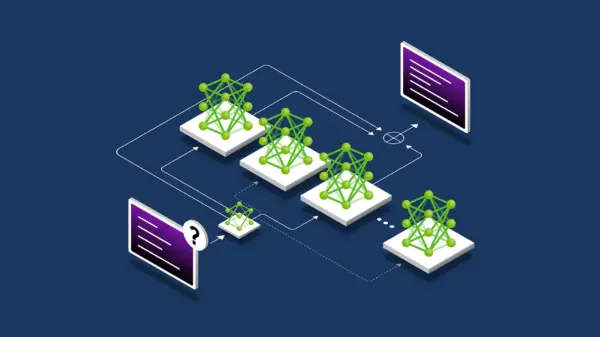
Previously, Claude Code included basic code-checking capabilities, allowing it to assess its own code. Additionally, the platform features a GitHub Action tool that automates code review as part of a continuous integration and development pipeline. However, Code Review promises a more thorough examination process, though it comes at a higher price point for users. With each pull request averaging about 20 minutes for review, the service utilizes multiple AI agents that operate in parallel, each analyzing the codebase from different angles. Upon completion, another agent aggregates and ranks findings, eliminating duplicates and prioritizing issues based on severity.
Anthropic has indicated that while the comprehensive nature of Code Review is a strength, it also results in higher costs for clients, with billing averaging between $15 to $25 per review, depending on the size and complexity of the pull request. This pricing structure is in contrast to competitors like Code Rabbit, which charges a flat monthly fee of $24 for similar services. Despite the cost, Anthropic has expressed confidence that customers will appreciate the detailed feedback provided by Code Review.
In internal tests, Code Review reportedly flagged significant issues in over 84% of reviews for larger pull requests exceeding 1,000 lines, with an average of 7.5 issues identified per review. Smaller pull requests of fewer than 50 lines also yielded findings, with 31% being flagged and an average of 0.5 issues per review. In one notable case, the system identified a seemingly minor change that could have severely disrupted a production service’s authentication mechanism.
Code Review is now available in research preview for Claude Code Team and Enterprise subscribers, indicating Anthropic’s commitment to refining the tool based on user feedback and real-world application. As the software development landscape continues to evolve with the increasing adoption of AI tools, features like Code Review may play a crucial role in maintaining code quality and ensuring efficient development cycles, reinforcing Anthropic’s position in an increasingly competitive market.
See also Germany”s National Team Prepares for World Cup Qualifiers with Disco Atmosphere
 95% of AI Projects Fail in Companies According to MIT
 AI in Food & Beverages Market to Surge from $11.08B to $263.80B by 2032
 Satya Nadella Supports OpenAI’s $100B Revenue Goal, Highlights AI Funding Needs
 Wall Street Recovers from Early Loss as Nvidia Surges 1.8% Amid Market Volatility