
























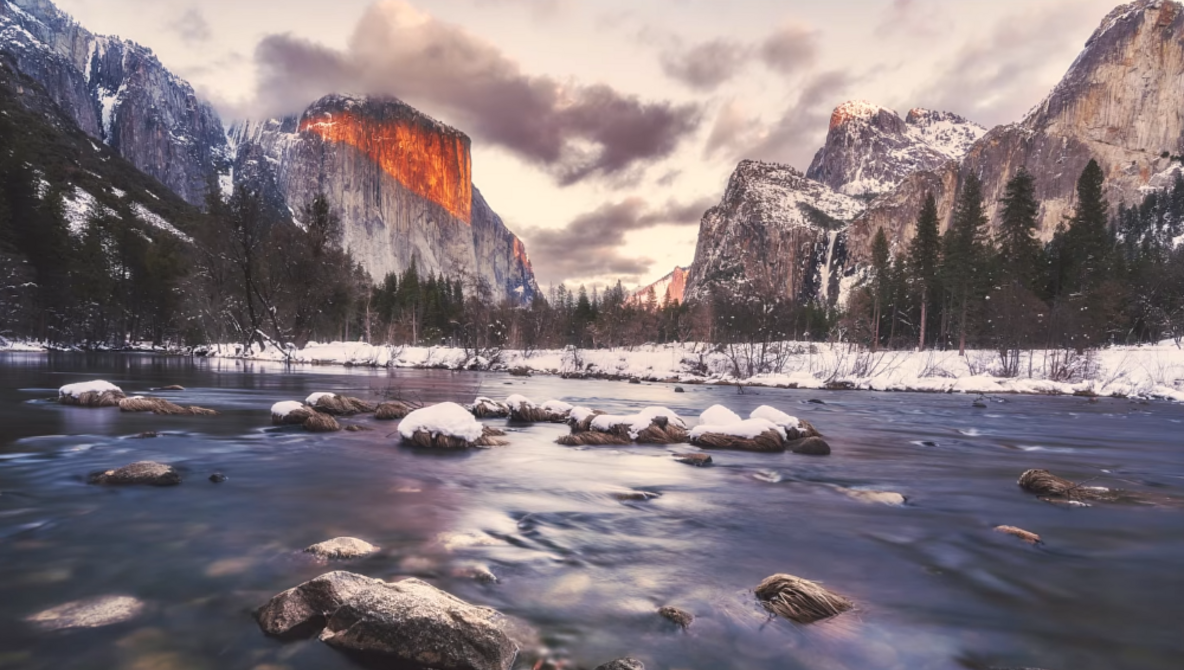
In a recent exploration of the intersection between artificial intelligence and artistic authenticity, Blake Rudis of f64 Academy highlighted the contrasting reactions elicited by two nearly identical landscape images on social media. The video, which dissects how AI-generated content is received on platforms like Facebook, raises critical questions about the nature of “real” work in an era increasingly defined by algorithmic and AI influences.
Rudis opens the discussion by comparing two images: one rapidly garners likes, while the other invites deeper commentary days later. This difference in engagement serves as a springboard for Rudis to examine how social media algorithms prioritize immediate impact over sustained attention. He notes that viewers often leap to conclusions when presented with highly polished images, prompting discussions that question the authenticity of the work, even when the creator has not deviated from standard practices. The crux of his argument is not to advocate for one stance over another, but rather to encourage awareness of how creative output is filtered and perceived before the intended message can be fully appreciated.
As Rudis elaborates, he distinguishes between the tools at a creator’s disposal and the implications of using them. He details a workflow where an AI render serves as a foundational starting point, which he then refines using Adobe Photoshop to align the output with his unique artistic vision. This approach shifts the dialogue from a debate on the ethics of AI usage to a more practical discussion about maintaining one’s voice in the creative process. As creators navigate these technologies, they must confront the reality of how much of their individual expression can survive the use of these tools.
Rudis further breaks down the immediate versus longer-term responses to AI-generated versus human-made images. He posits that AI-generated images typically excel at capturing attention quickly, designed to halt scrolling with their striking visuals, whereas human-created photographs may require more time for viewers to engage and appreciate fully. This contrast, he suggests, contributes to a pervasive frustration within the creative community. It is often simpler to produce a series of visually appealing AI images than to return from a trip with a single photograph that truly captures a moment’s essence. It is within this gap that many creators find themselves grappling with the pressures of online sharing and audience expectations.
Rudis also addresses the social dynamics at play, where vocal critics often dominate the conversation, pushing others to obscure their creative processes. This environment can lead to a lack of transparency in how work is created, with many opting to avoid disclosing the role of AI due to fear of backlash. Rather than treating disclosure as a litmus test for authenticity, Rudis advocates for clarity in the creative process as a means to sidestep being drawn into contentious debates about art and technology.
The video ultimately encourages creators to reflect on their workflows and the implications of using AI tools in their artistry. As the boundaries between human creativity and machine-generated content continue to blur, understanding the underlying dynamics of audience engagement becomes increasingly vital. The future of artistic expression in a world shaped by artificial intelligence hinges on creators’ abilities to adapt while remaining true to their voices, navigating the challenges posed by evolving technologies and shifting audience perceptions. Rudis’ analysis serves as a timely reminder of the complexities inherent in the ongoing dialogue about authenticity in the digital age.
See also AI-Generated Folk-Pop Hit “I Know, You’re Not Mine” Excluded from Sweden’s Charts, Sparking Industry Controversy
 NYSE Pre-Market Update: Tech Gains on AI Demand; U.S. Options for MSCI Indexes by 2026
 Hudson Williams Opens Dsquared2 Runway with AI-Enhanced Carly Simon Classic
 Peter Thiel Shifts Investment from Nvidia to Apple and Microsoft Amid AI Evolution