






































A new exchange-traded fund (ETF) centered on artificial intelligence (AI) has garnered attention for its potential long-term gains, particularly if predictions from analysts like Dan Ives of Wedbush come to fruition. Ives, a prominent figure in the tech investment landscape, has consistently championed leading growth stocks, including Nvidia and Tesla, describing the AI opportunity as “generational” and “golden.” His insights have resonated with a broad audience of investors, many of whom look to his assessments for guidance in the rapidly evolving AI sector.
Launched in June, the Dan Ives Wedbush AI Revolution ETF (IVES +0.16%) aims to capitalize on the ongoing AI trend by tracking the Solactive Wedbush Artificial Intelligence index. This index includes 30 companies deemed best positioned to thrive within the expanding AI landscape. For investors, the ETF presents an intriguing opportunity, particularly given Ives’ reputation for identifying lucrative prospects in the tech arena.
Despite its promising outlook, the ETF is still relatively new and has yet to navigate various market conditions, including potential downturns. As of November 21, the ETF had amassed over $882 million in assets under management (AUM), an impressive figure that reflects both the strength of the AI narrative and Ives’ influence in the market. However, some investors may prefer to wait for a more established track record before committing their capital to a rookie ETF.
The ETF’s structure offers convenience by providing exposure to a selection of top-tier tech stocks, often referred to as the “Magnificent Seven.” These megacap companies constitute about half of the fund’s top holdings and account for roughly one-third of its total value. This concentration allows investors to benefit from the momentum of established players while also diversifying their portfolios with additional AI-focused stocks.
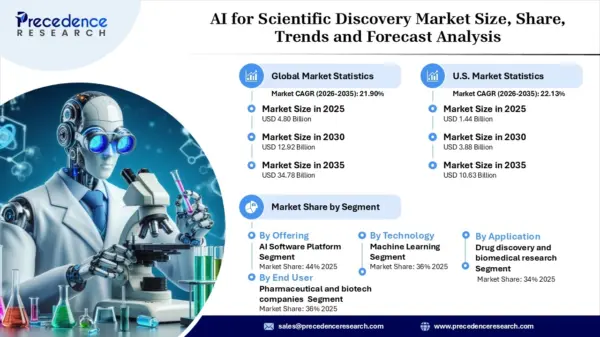
According to research firm Gartner, global spending on AI technologies is projected to reach $1.5 trillion in 2023 and could escalate to $2 trillion by 2026. This significant increase underscores the optimism surrounding the sector, and Ives believes that we are still several years away from “peak AI,” estimating that it could be at least seven years before the market fully matures. Should this analysis prove accurate, the Wedbush ETF may offer substantial capital appreciation opportunities through 2030 and beyond.
Notably, the ETF does not engage in active stock-picking, adhering instead to the index it tracks, which is actively managed by Wedbush. This means that while the ETF is linked to Ives’ insights, its investment strategy is based on a systematic approach to selecting companies that are integral to AI development and implementation.
In addition to investing in the “Magnificent Seven,” the ETF also holds stakes in companies such as Broadcom, Palantir Technologies, and Oracle, which are anticipated to play pivotal roles in the next chapter of AI advancements. These investments reflect a broader strategy to capture long-term growth in the AI sector.
The growing interest in AI and its applications across various industries has led many to believe that investing in related technologies can yield significant returns. As the landscape continues to evolve, the Dan Ives Wedbush AI Revolution ETF stands at the forefront of this transformation, offering a distinct pathway for investors aiming to capitalize on the AI trend. With substantial capital inflows and an expert-backed strategy, the ETF could indeed become a multi-year winner, contingent on the ongoing rise of AI technologies.
See also Brittany Mahomes Showcases Bold Game-Day Fashion While Supporting Patrick Mahomes at Arrowhead
 Artificial Intelligence Technology Solutions Integrates Alexa with RADCam for Enhanced Security
 Digital Connexion Unveils $11 Billion AI Data Centre Investment in Andhra Pradesh by 2030
 Mark Cuban Warns AI Giants: Overspending Risks Creating a Technology Bubble
 India’s AI Impact Summit Must Prioritize Safety to Ensure Trust and Empowerment