



























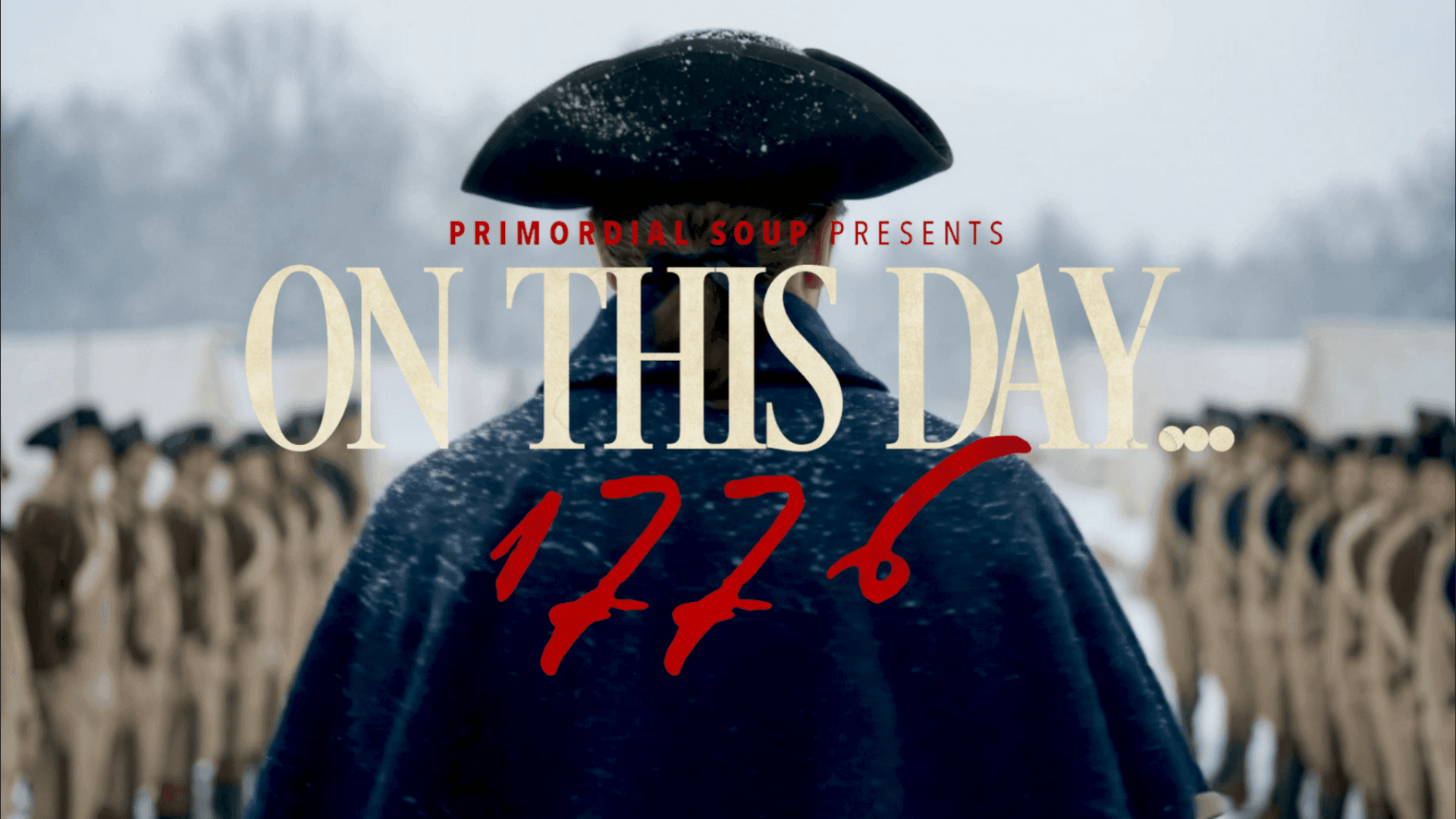
Filmmaker Darren Aronofsky has partnered with Google DeepMind to launch an AI-driven series titled On This Day… 1776, which debuted this week on Time’s YouTube channel. This collaboration, which also involves Aronofsky’s AI-focused venture Primordial Soup and Time Studios, seeks to blend historical storytelling with cutting-edge technology by utilizing AI-generated visuals to recreate significant moments from the American Revolution.
The series is set to unveil a series of short-form videos, each designed to coincide with the 250th anniversary of pivotal events from 1776. The initial episodes depict George Washington raising the Continental Union Flag in Somerville, Massachusetts, and Benjamin Franklin’s encouragement of Thomas Paine to publish the influential pamphlet Common Sense.
Aronofsky has expressed a keen interest in exploring how AI can transform the cinematic landscape. He established Primordial Soup to collaborate with Google DeepMind in testing their technology’s potential for artistic production. “This project is a glimpse at what thoughtful, creative, artist-led use of AI can look like—not replacing craft, but expanding what’s possible and allowing storytellers to go places they simply couldn’t before,” said Ben Bitonti, president of Time Studios.
The response to the integration of AI in this medium has been mixed. Advocates argue that AI technologies enable filmmakers with limited budgets to produce period pieces that would otherwise require substantial financial resources for authentic costumes, location shoots, and other necessary details. Critics, however, claim that the result can often fall into the “uncanny valley,” where characters fail to convey humanlike expressions or historical authenticity. Many observers note that AI often struggles with nuance and emotional depth, leading to a disconnect that audiences can sense.
As filmmakers grapple with the implications of AI, parallels can be drawn to the digital disruption experienced by photographers and writers in recent years. Some directors fear that the widespread availability of AI-generated visuals may flood the market with subpar content, while others see it as a promising tool to facilitate stories that were previously deemed too risky or costly to produce.
Aronofsky’s venture is not the first instance of AI experimentation in film. Generative AI has already been employed in various projects to replicate voices, recreate younger versions of actors, and enhance production quality in other ways. However, a consensus among filmmakers about the role of AI in their craft remains elusive, with numerous prominent directors staunchly opposing its use.
Ultimately, On This Day… 1776 serves as a test case for whether AI can authentically capture the complexities and ambiguities of a historical era. Its impact on future storytelling and production methods remains uncertain, marking a significant moment in the ongoing dialogue surrounding the integration of technology in the arts.
See also AI-Driven Mammography Detects 9% More Breast Cancer in Landmark Trial with 100,000 Women
 Audio Format Investment Surges: 71% of Publishers Prioritize Podcasts by 2026
 Amazon Pursues $50B Investment in OpenAI to Propel Valuation to $830B Amid Intense Competition
 India’s Economic Survey 2026: Strategic AI Investments to Bridge $X Billion Gap in Agri-Tech