



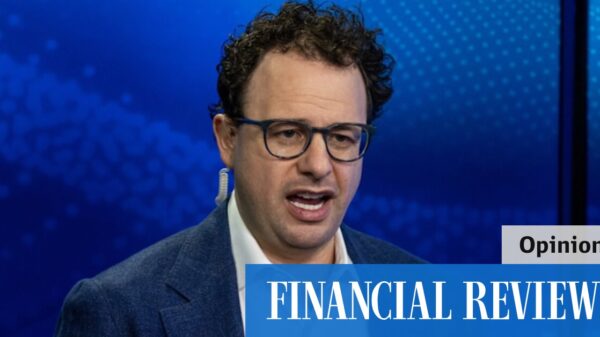
















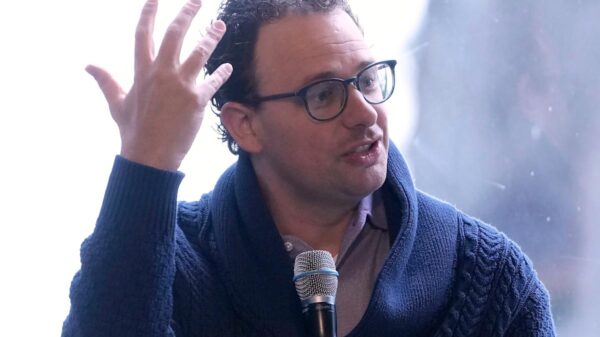









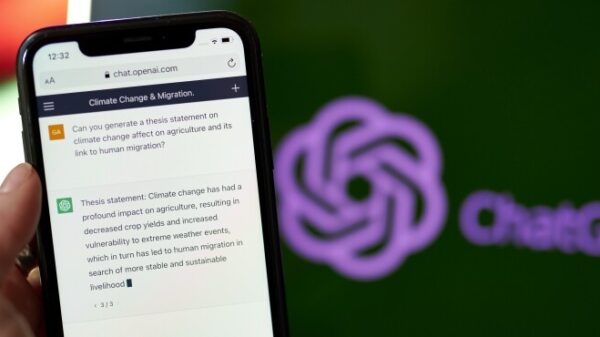



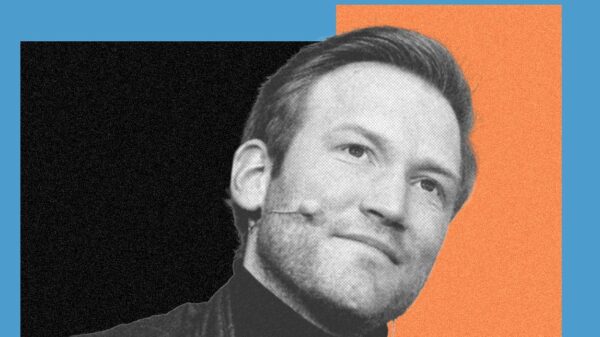


Demis Hassabis, CEO of Google DeepMind and Nobel laureate, expressed concern that the focus on consumer-facing AI applications like ChatGPT may detract from more transformative scientific advancements, such as those exemplified by AlphaFold, which predicts protein structures and has the potential to revolutionize drug discovery and medical research. In an interview published on April 7, 2026, Hassabis stated, “If it were up to me, I’d keep AI in the lab for a longer time and have it do more things like AlphaFold – maybe cure cancer and such.” His comments highlight a growing tension between commercial AI development and fundamental scientific inquiry.
The rapid deployment of AI products, particularly chatbots, has shifted industry focus towards immediate consumer applications, often sidelining long-term scientific goals. Hassabis emphasized that while many view AI through the lens of chatbots and image generators, the most significant impacts of AI are occurring in less visible arenas, such as laboratories and research databases. “The more important applications of AI actually happen outside these products,” he noted.
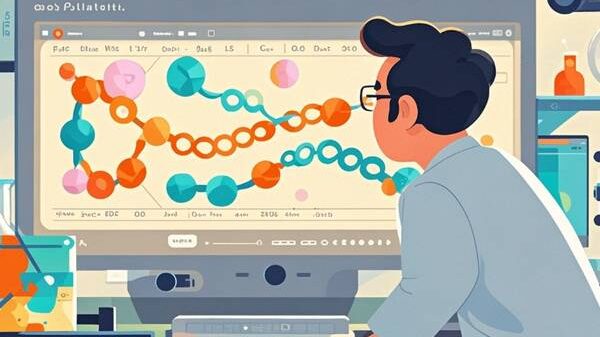
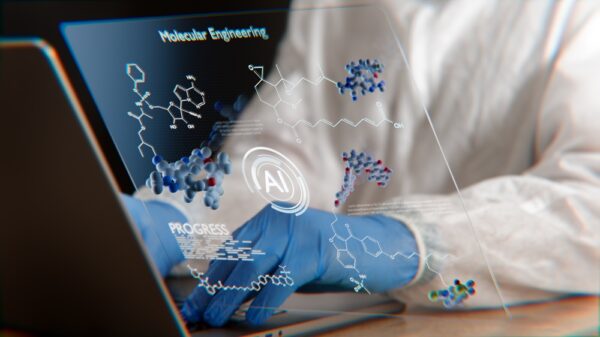
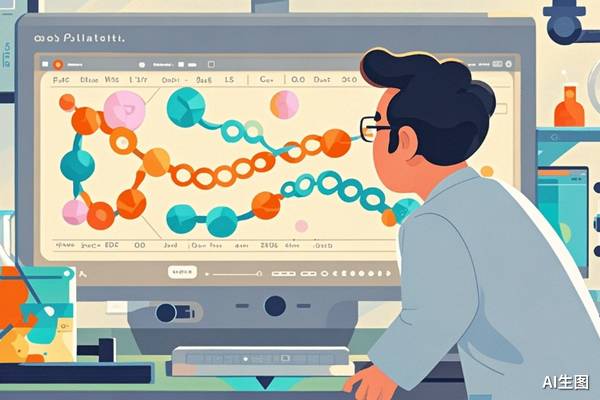
AlphaFold serves as a prime example of this potential. Developed by Hassabis and his team, AlphaFold has drastically reduced the time and cost associated with determining protein structures. Traditionally, this process involved extensive laboratory work, often taking years and costing hundreds of thousands of dollars. AlphaFold converts this challenge into a computational problem, allowing scientists to predict the three-dimensional structure of proteins in seconds, thereby accelerating research and development in fields like drug discovery.
In a notable shift from industry norms, DeepMind chose to release predictions for approximately 200 million protein structures publicly, making them accessible to over 3 million scientists globally. This foundational resource has transformed structural biology, allowing researchers to conduct preliminary computational trials before embarking on costly laboratory experiments.
Conversely, the rapid commercialization of AI technologies, sparked by the success of language models like ChatGPT, has led to an intensified competitive landscape. This shift has prompted companies to prioritize speed over depth, with businesses racing to release new AI models and features to capture market share. Hassabis acknowledged the benefits of this rapid development cycle, noting that real-world application brings diverse data that enhances AI capabilities. However, he cautioned that this accelerated pace may neglect more profound scientific inquiries.
Hassabis identified two primary risks associated with AI development. The first is the “human problem,” which involves the potential misuse of AI technologies designed for constructive purposes. The second, more concerning issue, is the uncertainty surrounding AI systems as they evolve from mere tools to autonomous agents capable of executing complex tasks. He stressed the importance of ensuring these systems operate within established guidelines and do not deviate from their original intentions.
While discussions around AI often center on issues like deepfakes and misinformation, Hassabis argued that these problems are relatively contained compared to the broader implications of AI’s evolving capabilities. He views the transition from AI answering questions to executing tasks as a crucial juncture that will redefine the nature of risks associated with the technology.
In contemplating the future of human-AI interaction, the question of what makes humans special arises. As AI systems increasingly exhibit capabilities once thought unique to humans, including creativity and emotional intelligence, the challenge becomes understanding the essence of human cognition. Hassabis posited that rather than focusing solely on differences between humans and AI, the more pressing inquiry should be, “What are we really trying to understand?”
Despite the complexities and challenges posed by advancing AI, Hassabis remains optimistic about the technology’s potential to help tackle significant scientific questions. He envisions a future where AI plays a pivotal role in addressing pressing issues in energy, medicine, and materials science, provided that humanity can navigate the associated risks. As AI technology continues to develop, its impact on both scientific inquiry and daily life will likely unfold in ways that are both transformative and unpredictable.
See also Germany”s National Team Prepares for World Cup Qualifiers with Disco Atmosphere
 95% of AI Projects Fail in Companies According to MIT
 AI in Food & Beverages Market to Surge from $11.08B to $263.80B by 2032
 Satya Nadella Supports OpenAI’s $100B Revenue Goal, Highlights AI Funding Needs
 Wall Street Recovers from Early Loss as Nvidia Surges 1.8% Amid Market Volatility