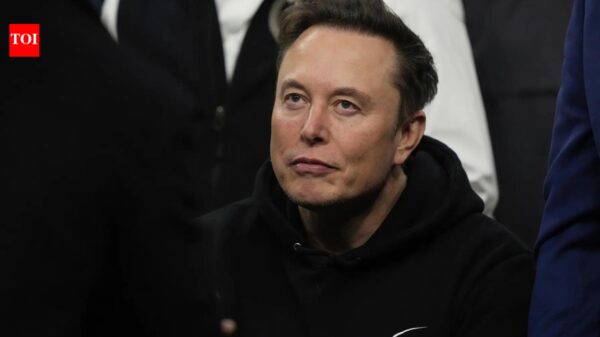








































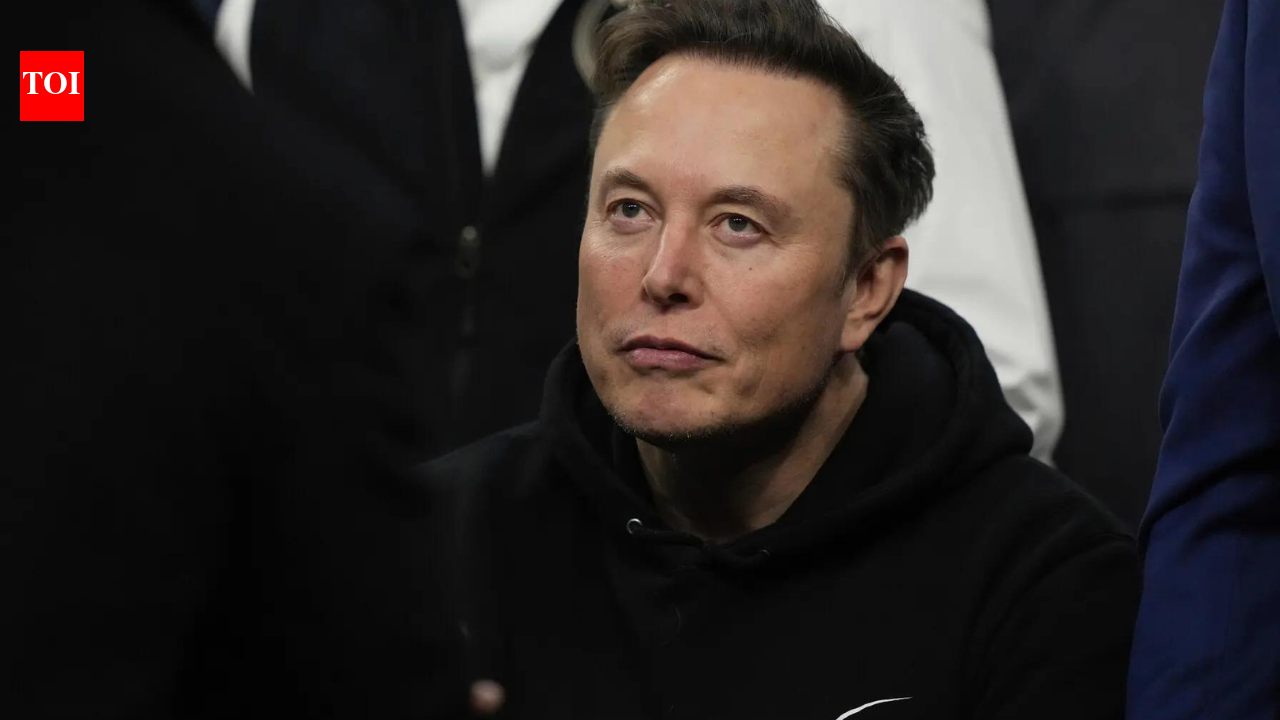
In a significant legal development, OpenAI has accused Elon Musk of orchestrating a “legal ambush” in his lawsuit against the artificial intelligence startup, just weeks ahead of a high-stakes trial. In a court filing submitted on Friday, OpenAI claimed that Musk’s recent proposals aimed at altering the objectives of his lawsuit appear designed to “sandbag the defendants and inject chaos into the proceedings, while trying to recast his public narrative about his lawsuit.” The trial is set to address Musk’s concerns regarding OpenAI’s pivot from its founding mission as a research institution to its current status as a for-profit entity.
Musk’s lawsuit, filed in 2024, targets both OpenAI and its partner, Microsoft, alleging that the developer of the popular ChatGPT has strayed from its original goals. In a January court appearance, Musk indicated that he was seeking between $79 billion and $134 billion from his adversaries, a claim reflecting his assertion of “wrongful gains” stemming from OpenAI’s transformation.
The timing of Musk’s recent amendments has raised eyebrows, with OpenAI contending that this shift is not only unexpected but also strategically crafted to disrupt the legal process. Lawyers for OpenAI argue that Musk’s actions could lead to a chaotic courtroom atmosphere, potentially undermining the trial’s integrity. This claim of legal maneuvering comes as both parties prepare for what is anticipated to be a landmark case in the evolving landscape of artificial intelligence and intellectual property rights.
The dispute between Musk and OpenAI is rooted in the broader conversation about the ethical implications of artificial intelligence. As AI technologies rapidly advance, the responsibilities and profit motives of companies in this space have come under increasing scrutiny. Musk, a co-founder of OpenAI, has long expressed concern about the potential risks associated with AI development when driven by profit rather than public benefit.
OpenAI’s current trajectory, characterized by significant investments and commercial partnerships, stands in stark contrast to the ethos Musk initially championed. When OpenAI was first established, its mission was to ensure that artificial intelligence benefits all of humanity. Critics, including Musk, have voiced apprehensions that the organization’s shift towards profitability compromises its founding principles.
The upcoming trial may set critical precedents concerning the legal responsibilities of AI companies and the extent to which founders can exert influence over the direction of their organizations post-funding. Legal experts suggest that the outcome could have implications not only for OpenAI and Microsoft but also for the entire AI industry, as it grapples with similar tensions between ethical considerations and commercial viability.
As the legal proceedings approach, both Musk and OpenAI are expected to continue their public narratives, which are likely to shape public opinion on the case. Musk, known for his unfiltered communication style, may leverage social media and public appearances to rally support, while OpenAI will likely seek to present its case grounded in the technical and ethical frameworks governing AI research and application.
The implications of this lawsuit extend beyond the courtroom. The case underscores the evolving relationship between technology innovators and their creations, raising critical questions about ownership, mission, and accountability in an era where AI technologies are increasingly pervasive. As the trial date nears, stakeholders within the tech industry, policymakers, and the public will be closely monitoring developments, recognizing that the decisions made in this case may reverberate throughout the landscape of artificial intelligence.
See also Germany”s National Team Prepares for World Cup Qualifiers with Disco Atmosphere
 95% of AI Projects Fail in Companies According to MIT
 AI in Food & Beverages Market to Surge from $11.08B to $263.80B by 2032
 Satya Nadella Supports OpenAI’s $100B Revenue Goal, Highlights AI Funding Needs
 Wall Street Recovers from Early Loss as Nvidia Surges 1.8% Amid Market Volatility






