

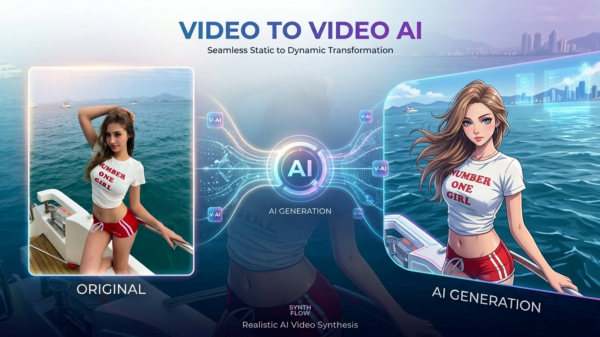
















































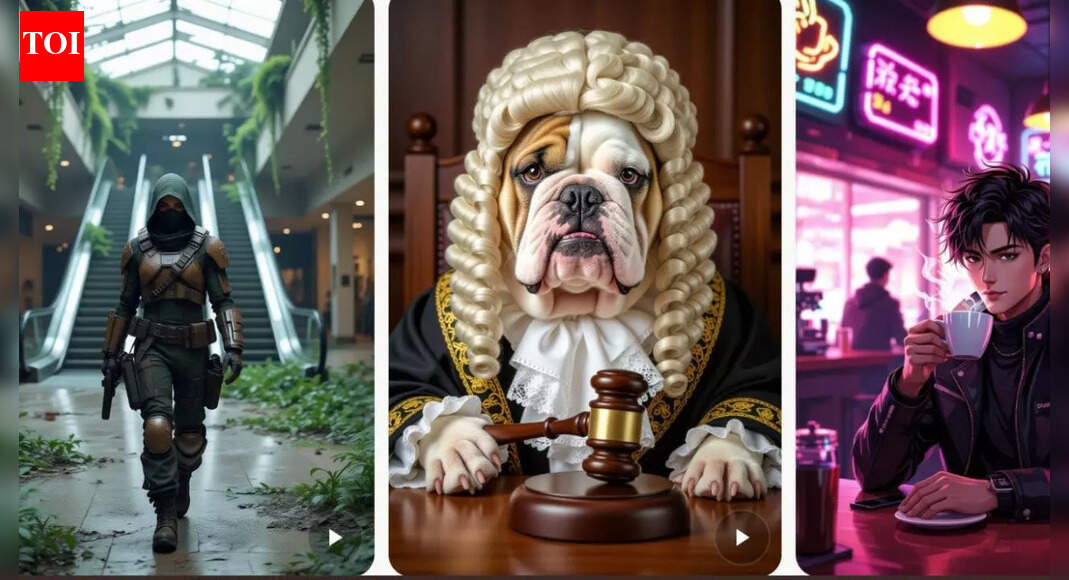
Elon Musk has recently drawn attention to the AI tool Grok Imagine, developed by xAI, which is designed for generating realistic cinematic images and videos. Through a thread on social media, Musk highlighted a detailed article by AI enthusiast @karatademada, showcasing guidelines for creating aesthetically appealing content. The emphasis is on storytelling, suggesting that emotional context significantly enhances the output of AI-generated media compared to common tools that focus primarily on object descriptions.
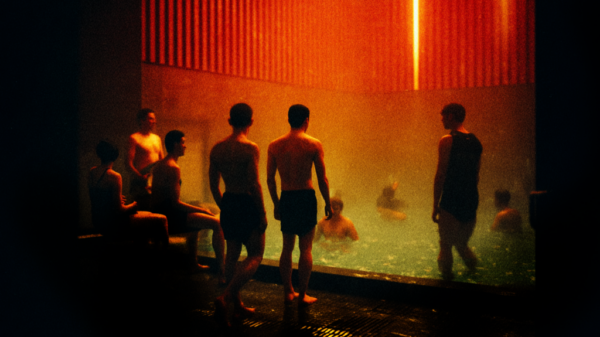
Unlike traditional AI image generators that rely on straightforward prompts, Grok Imagine encourages users to adopt a more cinematic approach. For instance, instead of simply stating, “A woman walking on a street,” users are advised to think like directors. A more effective prompt would be, “Cinematic shot of a woman walking alone on a rainy Paris street at night, reflections of neon lights on wet pavement, filmed in 4K, directed by Christopher Nolan, atmospheric and moody.” This shift in perspective allows the AI to interpret the ambiance and emotional depth of the scene, resulting in richer imagery.
Emotion plays a crucial role in the effectiveness of Grok Imagine. Users are encouraged to incorporate emotional context into their prompts. A basic description like “A happy girl under the sun” can be transformed into “Close-up of a carefree young woman laughing under golden sunlight, wind blowing through her hair, summer energy, cinematic lens flare, warm tone.” By articulating how the image should resonate with viewers, the AI can produce compositions that are not only visually appealing but also emotionally engaging.
Camera angles and cinematographic techniques further enhance the quality of the generated scenes. By specifying details such as a wide establishing shot or a low-angle view, users can dictate the dramatic elements of the imagery. An example might read, “Wide establishing shot of a futuristic city skyline at dawn, soft mist, glowing reflections on glass towers, slow camera pan,” or “Low-angle cinematic shot of a hero standing on a rooftop, coat flapping, sun behind silhouette.” These directives allow Grok Imagine to capture a cinematic perspective that elevates the final output.
A structured prompting approach has been outlined as essential for achieving high-quality results. Users should include five key aspects within their prompts: the scene, style, mood, lighting, and camera specifications. For example, a prompt could specify: “Scene: A samurai on a foggy mountain ridge; Style: Realistic film style, inspired by Ridley Scott; Mood: Stoic and powerful; Lighting: Early morning dawn with soft mist; Camera: Wide shot, 50mm lens, depth of field.” By dissecting prompts into these elements, users ensure that the AI comprehends the entire scene and aligns closely with their vision.
Grok Imagine also offers capabilities for iterative editing and scene expansion, allowing users to refine their outputs progressively. For instance, one might request, “Same picture, but include soft morning sunlight filtering through the window, a cup of cappuccino on the table, and the Paris skyline reflected in the glass.” This feature not only enhances the immediate image but can also facilitate complete scene transformations, such as changing the setting to a futuristic cyber café with holographic menus and digital rain.
Importantly, experimentation is encouraged, as creating superior AI-generated images is often an iterative process. Users can refine their prompts through adjustments in language, style, and composition. A basic prompt like “Portrait of a woman holding flowers” can be enhanced to “Cinematic portrait of a woman holding yellow tulips; soft focus; 85mm lens; soft morning light.” Such refinements can significantly elevate the quality of the final image.
For those looking to utilize Grok Imagine effectively, several quick tips have been suggested: focus on atmospheric elements such as rain or sunlight to add depth; highlight character emotions for more lifelike depictions; specify cinematic styles or directors to set the visual tone; and experiment with unusual camera angles or lighting details. Including props or environmental elements can further enrich storytelling, while mixing genres or eras can lead to unique, imaginative scenes. Finally, iterating by tweaking one element at a time can yield better results.
As AI-generated media continues to evolve, tools like Grok Imagine offer exciting possibilities for creators looking to push the boundaries of visual storytelling. By embracing cinematic techniques and emotional depth, users can harness the full potential of AI to create compelling narratives in image and video form.
See also NOAA Unveils AI-Driven Weather Models Boosting Forecast Accuracy and Speed by 90%
 Nvidia Surpasses $5T Valuation Amid US-China Tech Rivalry and Policy Shifts in 2025
 U.S. Military Captures Maduro in Venezuela, Triggering Global Outcry and Diplomatic Crisis
 Memory Chip Crisis: 2026 Smartphone and PC Markets Face Price Hikes and Potential Contraction
 Midjourney Unveils Scrolling Style Creator, Enhancing User Experience and Artistic Exploration