




















































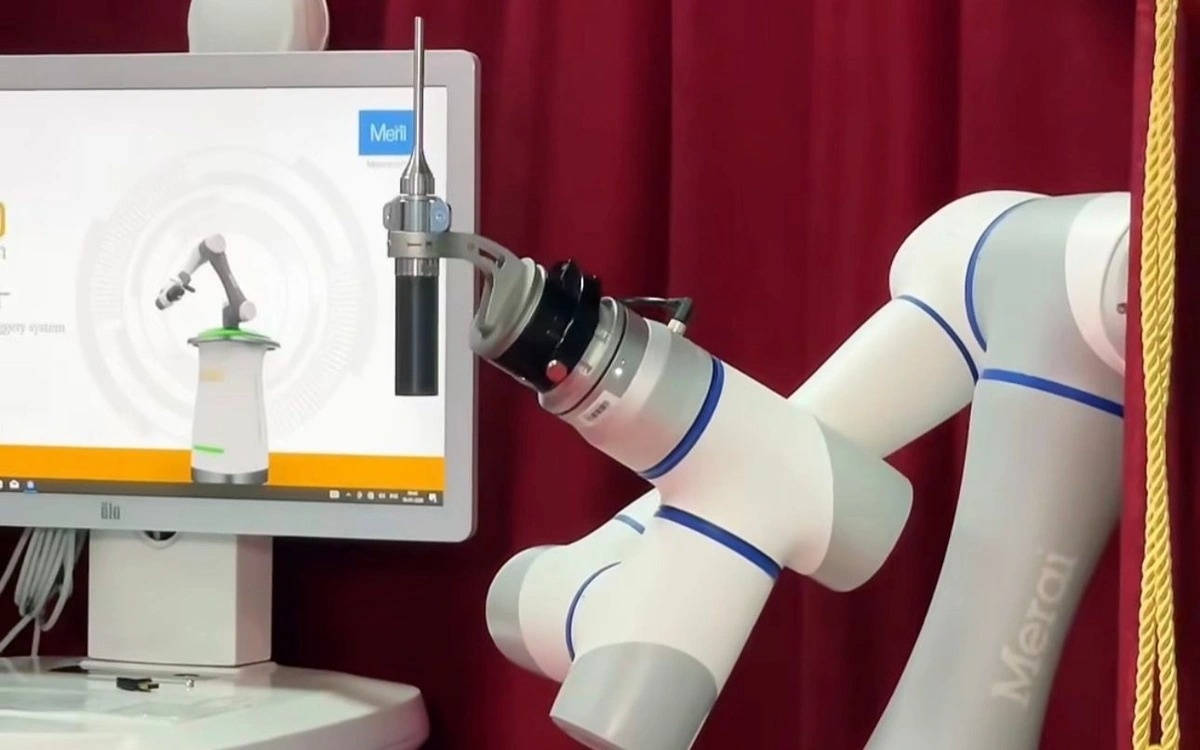
The Government of Kazakhstan has received advanced medical technology in a bid to enhance surgical precision and expand access to orthopedic care. The handover, which took place recently, was attended by Shri Y. K. Sailas Thangal, the Ambassador of India to Kazakhstan. During the event, Thangal underscored the ongoing development of Kazakhstan-India cooperation in medical technologies and expressed a commitment to further exchanging expertise.
Olzhas Bekarissov, the director of the center receiving the equipment, stated that the implementation of the MISSO system is expected to significantly improve the accuracy of surgical procedures. This initiative comes at a critical time, as the Ministry of Healthcare has highlighted that Kazakhstan currently performs approximately 18,000 joint replacement surgeries annually, while the actual need exceeds 120,000 operations. The introduction of robotic technologies is anticipated to enhance treatment quality and standardization.
Previously reported advancements indicate that Kazakhstan is making strides in medical robotics. November saw the success of the first-ever robot-assisted heart surgery in Kazakhstan and Central Asia, performed at the Medical Center Hospital of the Kazakhstan Presidential Affairs Administration in Astana. This operation marked a significant milestone in the country’s medical capabilities.
The commitment to improving healthcare does not stop at surgical innovation. The government plans to revise funding allocations in both healthcare and education sectors, reflecting a broader intention to enhance public services. This strategic focus may lead to further advancements in medical technologies and increase the number of surgeries performed, reducing the gap between the demand and supply of orthopedic care.
The integration of high-tech equipment like the MISSO system positions Kazakhstan to capitalize on the growing trend of robotic-assisted surgeries, which have gained popularity globally for their precision and reduced recovery times. With the potential to standardize care, these technologies promise to elevate the overall quality of treatment available to patients.
As the nation steps into this new era of medical technology, the prospects for improved healthcare delivery are substantial. The collaboration between Kazakhstan and India in this field not only strengthens bilateral relations but also sets a precedent for international partnerships in advancing medical capabilities.
Looking ahead, this development could pave the way for more innovative healthcare solutions and a more comprehensive approach to meeting the demands of the population. As Kazakhstan continues to refine its healthcare strategies, the implications of these advancements may resonate beyond its borders, inspiring other nations to explore similar collaborations.
For further information about Kazakhstan’s healthcare initiatives, visit the Kazakhstan Government website.
For details on the robotic technologies being implemented, explore Medicare for insights into healthcare innovations.
To learn more about the MISSO system, visit the MISSO official page.
See also Gartner Faces Revenue Risks as AI Tools Challenge Core Advisory Model Amid $2.52 Trillion Forecast
 TKMS and Cohere Collaborate to Enhance AI for Canada’s Submarine Program
 ServiceNow Flaw Exposes AI Integration Risks, Bypasses Security with Default Agent Access
 Amazon Invests $35 Billion in India’s AI and Logistics by 2030, Aiming for 1 Million Jobs
 AI Gun Detection Market Poised for $2.28B Growth by 2030, Driven by Real-Time Threat Solutions