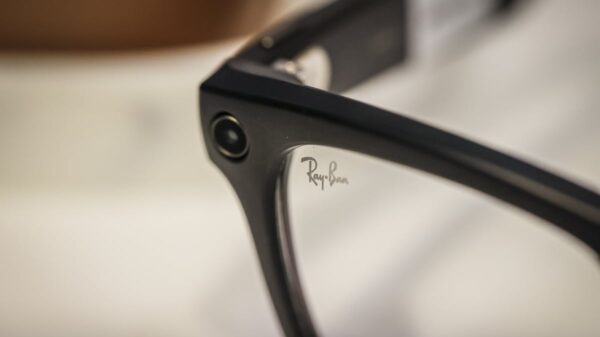



















































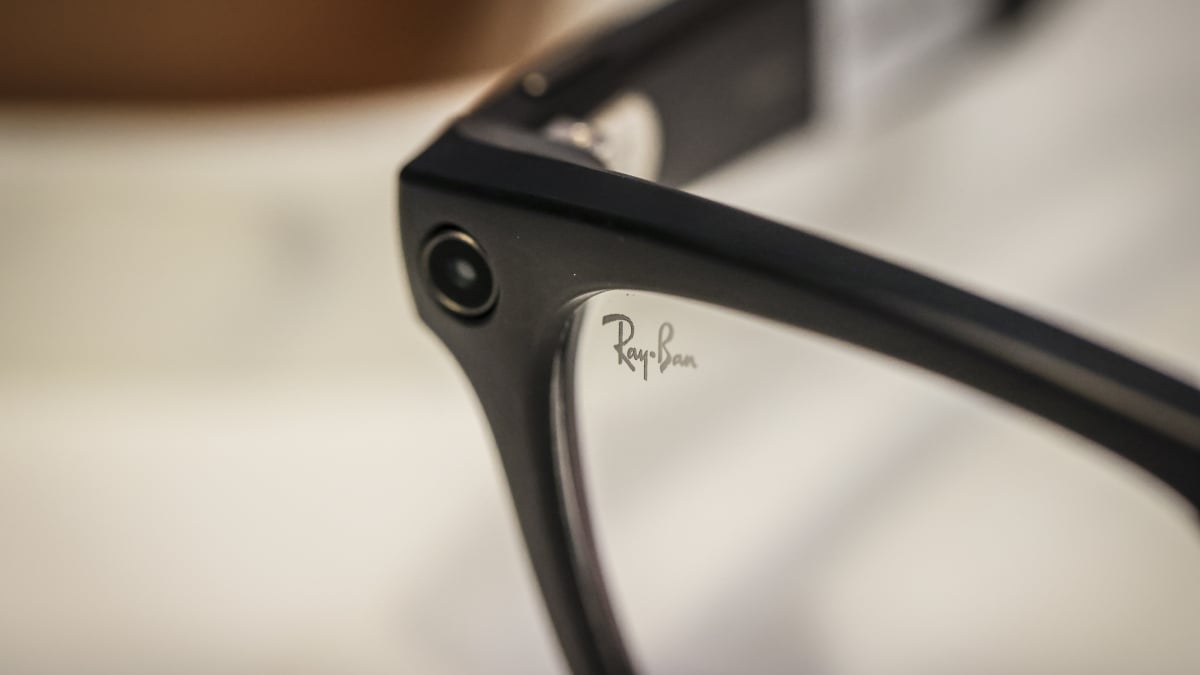
The use of AI-powered Meta Ray-Ban glasses has raised serious privacy concerns, as an investigation reveals that intimate and sensitive moments recorded by wearers may be viewed by offshore Meta workers. The inquiry, conducted by Swedish outlets Svenska Dagbladet and Göteborgs-Posten, uncovered that employees in Kenya were tasked with analyzing videos captured by users, including footage taken in private settings such as bathrooms, which contained nudity and personal information like bank account details.
This scrutiny is part of a data-labeling process designed to train AI models through human-reviewed and annotated footage, allowing the technology to better recognize and understand visual content. According to reports, many of the analyzed videos appear to have been recorded without the subjects’ awareness, raising ethical questions about consent and privacy.
Workers at the Kenyan firm Sama, which has been contracted by Meta, have expressed discomfort regarding the nature of the content they are required to review. One employee remarked, “You understand that it is someone’s private life you are looking at, but at the same time you are just expected to carry out the work. You are not supposed to question it. If you start asking questions, you are gone.”
Meta’s Terms of Service permit the company to send users’ interactions with AI services, including the glasses’ always-on features, to human moderators for review. This policy was cited when the news outlets sought comments from the company. The initial launch of the Meta Ray-Ban smart glasses in 2023 received mixed reviews regarding their photo and video capabilities, as well as their AI functionalities. In September, Meta released an upgraded version, the AI-powered Meta Ray-Ban Display, which includes a new Neural Band interface and promises of enhanced AI assistant integrations.
Sales of the glasses reportedly tripled in 2025, with over 7 million units sold, according to CNBC. However, the device has faced significant backlash following instances where influencers documented themselves secretly recording and harassing unsuspecting individuals. Some wearers have discovered methods to obscure the glasses’ recording light, which is intended to alert those nearby when a video is being captured, thus transforming the product into a tool for viral content creators.
Concerns extend beyond individual privacy, as the device raises alarms about an expanding landscape of surveillance and facial recognition technology. Meta has previously faced criticism for its handling of similar technologies. The company has announced plans to advance live AI features, including potential facial recognition, by 2025, suggesting that the device might always keep its cameras and sensors operational, using AI to chronicle a user’s daily experiences.
Privacy advocates warn that such technology could eventually be misused by third parties, including government agencies with militarized law enforcement units. The implications of these developments could have lasting effects on personal privacy and societal norms in an era increasingly characterized by surveillance technology.
See also Germany”s National Team Prepares for World Cup Qualifiers with Disco Atmosphere
 95% of AI Projects Fail in Companies According to MIT
 AI in Food & Beverages Market to Surge from $11.08B to $263.80B by 2032
 Satya Nadella Supports OpenAI’s $100B Revenue Goal, Highlights AI Funding Needs
 Wall Street Recovers from Early Loss as Nvidia Surges 1.8% Amid Market Volatility