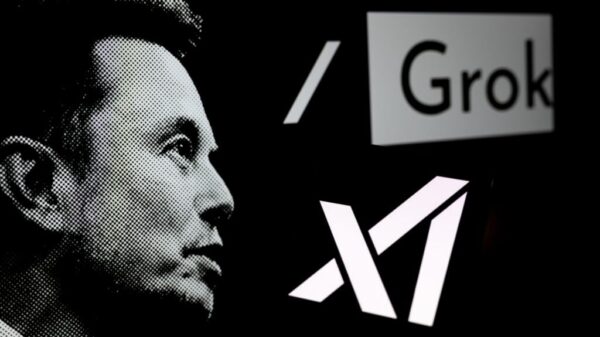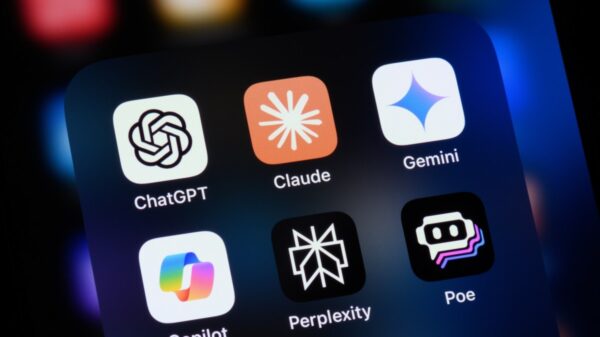





































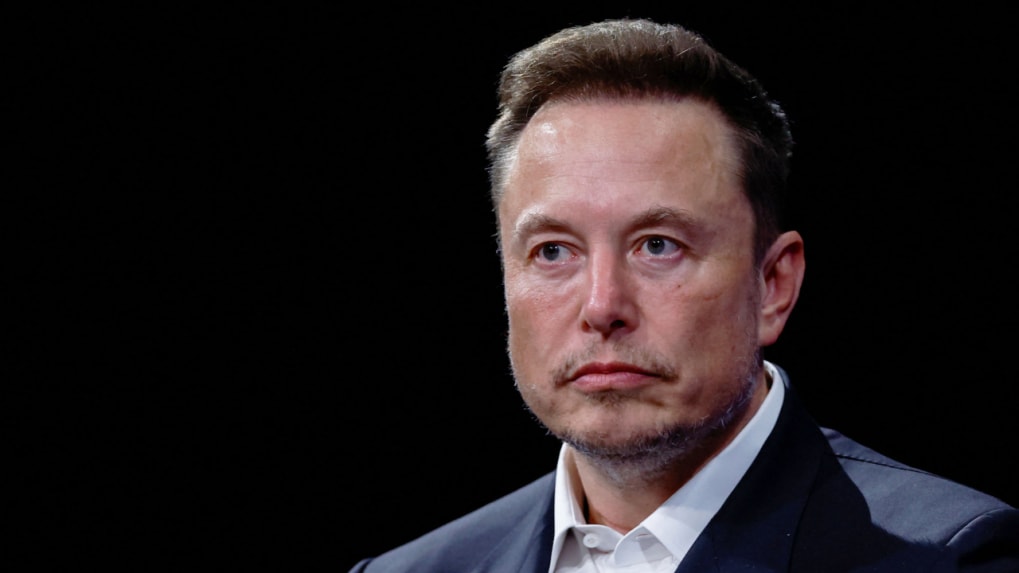
Elon Musk has once again sparked a contentious discussion within the artificial intelligence community, this time directing his remarks at Anthropic, the AI firm behind the chatbot Claude. In a post on X, Musk commented on the company’s recent update to Claude’s “constitution,” suggesting that AI companies tend to evolve into the opposite of what their names imply. He stated, “any given AI company is destined to become the opposite of its name,” inferring that Anthropic will ultimately become “Misanthropic.” This statement raises questions about the company’s professed commitment to developing AI systems that prioritize human values and safety.
The exchange followed an announcement from Anthropic detailing an updated constitution for Claude, which serves to outline the guiding principles, values, and behavioral boundaries for the AI. Amanda Askell, a member of Anthropic’s technical team, shared the update online and humorously responded to Musk’s comment, expressing hope that the company could “break the curse.” She also noted that naming an AI company something overtly negative, like “EvilAI,” would be a tough sell.
Musk’s remarks gained additional traction given his status as the founder of xAI, an AI startup competing in the same crowded landscape as Anthropic and other significant players. The interaction highlights the growing rivalry and philosophical divides shaping the AI sector, as companies navigate complex ethical frameworks in their pursuits.
According to Anthropic, the constitution for Claude serves as a foundational guide that delineates what the AI should represent and how it ought to behave. The document specifies the values the AI must uphold and explains the rationale behind them, aiming to strike a balance between usefulness and safety, ethics, and compliance with company policies.
This constitution is primarily directed at the AI itself, offering guidance on managing intricate scenarios, such as balancing honesty with empathy or safeguarding sensitive information. It is also instrumental in training future iterations of Claude, as it aids in generating example conversations and rankings to ensure that newer models respond in alignment with these principles.
In this latest update, Anthropic has delineated four core priorities for Claude: being broadly safe, acting ethically, adhering to company rules, and being genuinely helpful to users. In cases where these goals conflict, the AI is instructed to prioritize them in the specified order.
While Musk’s comment was brief, it has reignited a broader dialogue about whether AI companies can consistently uphold ethical standards as their technologies expand and compete in an increasingly saturated and rapidly evolving market. The tension between maintaining human-centric principles and the pressures of commercial success presents a significant challenge for the industry.
As the debate unfolds, stakeholders in the AI community are likely to keep a close eye on both Anthropic and Musk’s xAI, as they represent different philosophies in navigating the ethical landscape of artificial intelligence development. The outcomes of these discussions may have lasting implications for the future of AI, shaping not only the technology itself but also the societal perceptions and regulations governing its use.
See also Phillip Toledano Unveils ‘Another England,’ Blending AI with Historical Surrealism
 AI-Powered Riff-Diff Method Revolutionizes Custom Enzyme Design for Industry
 Hollywood Titans Unite Against AI Theft: Johansson, Blanchett Lead 800-Strong Campaign
 UN AI Chief and Billion-Dollar Investors Unite at WAM Morocco to Drive Industrial Revolution