







































In a recent discussion, Perplexity CEO Aravind Srinivas emphasized the enduring importance of human skills in a world increasingly dominated by artificial intelligence. The conversation, held during a conference focused on the intersection of technology and society, aimed to shed light on the role of human intelligence in the age of AI.
Srinivas noted that while AI systems are becoming more advanced and capable, they still require human oversight and creativity to function optimally. “AI can process data at unprecedented speeds,” he stated, “but the nuanced understanding of human emotions, ethics, and context is something that machines cannot replicate.” This perspective highlights a growing concern among tech leaders about the potential for AI to overshadow human contributions in various sectors.
The discussion comes at a pivotal time as organizations across industries grapple with integrating AI technologies into their operations. Companies are racing to adopt AI tools to improve efficiency and reduce costs, yet Srinivas cautioned against the potential fallout of over-reliance on these systems. “Jobs that require human insight and emotional judgment are irreplaceable,” he added, hinting at the paradox of AI’s rise: it can automate many tasks but cannot replicate the human experience.
Srinivas also addressed the broader implications of deploying AI in decision-making processes, particularly in sensitive areas such as healthcare, finance, and law enforcement. “When machines make decisions that affect people’s lives, we need to ensure that there are human checks in place,” he remarked, underscoring the ethical responsibilities that come with deploying such powerful technologies.
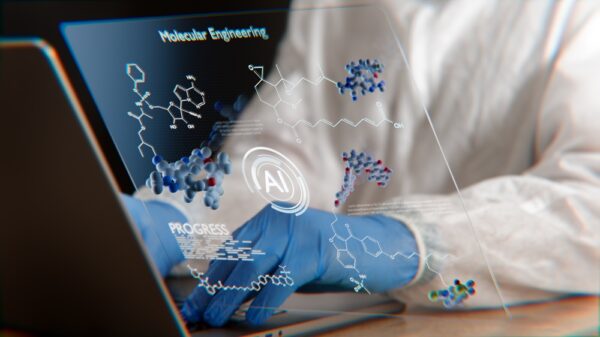
Despite the rapid advancements in AI, Srinivas remains optimistic about the synergy between human capabilities and technology. He pointed to examples where AI and human collaboration has led to improved outcomes, particularly in fields like research and development. “AI can analyze vast datasets and identify patterns that may not be visible to humans,” he explained. “But it is the creative human mind that can formulate hypotheses and take innovative leaps based on those insights.”
Furthermore, the conversation also touched on education and workforce development in the context of AI’s integration. Srinivas advocated for educational systems to emphasize skills that AI cannot easily replicate, such as critical thinking, creativity, and emotional intelligence. “As AI continues to evolve, we need to prepare the workforce for roles that require these uniquely human traits,” he noted.
As industries continue to evolve in response to AI advancements, the debate over the balance between machine efficiency and human intelligence will likely intensify. Leaders like Srinivas are advocating for a future where technology enhances rather than replaces human capabilities, creating a collaborative environment that leverages the strengths of both.
Looking ahead, the ongoing dialogue around AI’s role in society underscores a critical junction. As organizations embrace new technologies, the challenge will be to maintain a focus on the human aspects that drive innovation and leadership in a rapidly changing landscape. The integration of AI into everyday life may transform industries, but it is the human touch that will ultimately define the future of work.
See also China Targets AI Supremacy by 2027 with Safe, Reliable Tech Supply Plan
 Nvidia Tightens H200 Chip Sales Amid China’s Regulatory Uncertainty, Demand Surges
 Modi Urges Indian AI Startups to Lead Global Innovation with Ethical, Inclusive Models
 Oracle’s $50B AI Bet Sparks Investor Concerns Amid Rising Debt and Cash Flow Strain