




















































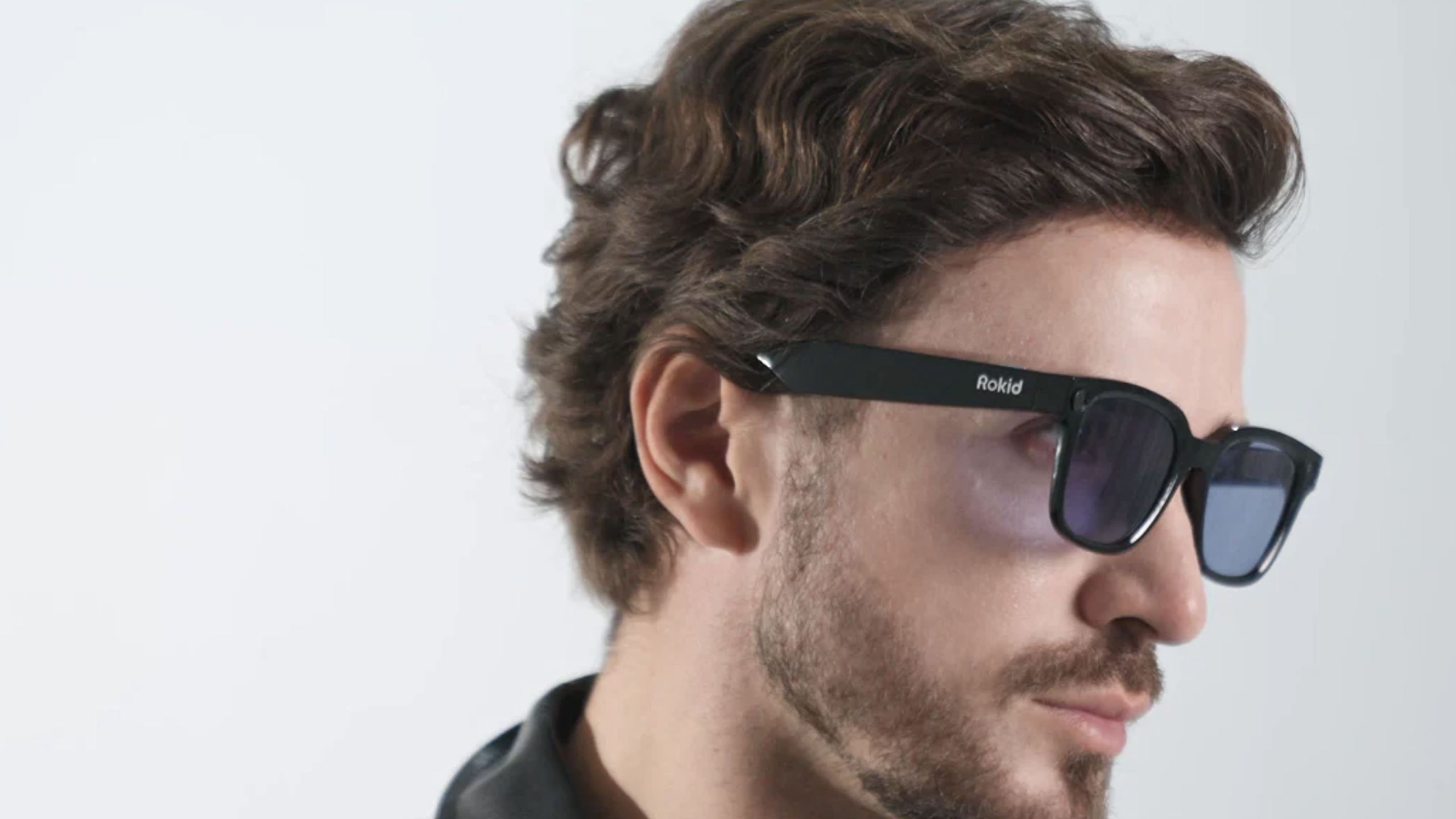
Rokid has launched its new AI Glasses Style, available for pre-order, marking a significant development in the screenless AI wearable market. Unveiled at this year’s CES, these smart glasses offer an alternative to Meta’s Ray-Ban AI glasses, featuring a lower price point and a more lightweight design.
Weighing in at just 38.5 grams, the Rokid AI Glasses Style are devoid of a display, which contributes to their reduced weight and enhances their functionality as voice-first AI devices. Priced at $299, they are $80 cheaper than their Meta counterparts, making them an appealing option for consumers.
Activation of the glasses is voice-activated with the command, “Hey Rokid.” The device is designed for various voice-centric tasks, including providing information about the surroundings, translating conversations in real time, and summarizing meetings—all without the need to pull out a smartphone. This hands-free functionality is made possible by a built-in AI assistant powered by ChatGPT-5.
The device includes a 12 MP camera, allowing users to take photos or record 4K video via voice commands, such as “Hey Rokid, take a photo.” With a reported battery life of up to 12 hours, the glasses are equipped to last throughout a full day of use. For those needing extended functionality, Rokid offers an optional 3,000mAh charging case and a 1,700mAh capsule battery.
The Rokid AI Glasses Style are currently available for pre-order, which includes priority shipping and a $20 discount. Customization options with prescription lenses in various colors are also offered.
While screenless AI devices have existed previously, they have struggled to capture widespread consumer interest. However, industry trends indicate a potential shift, as exemplified by the upcoming wearable device from OpenAI, designed by Jony Ive, expected to debut in the first quarter of 2026. The developments showcased at CES suggest that screenless AI wearables may represent the next wave of technological innovation.
Rokid’s announcement follows the recent unveiling of Razer’s Motoko headphones, another voice-centric device that aims to redefine user interaction with technology. As the landscape of wearable technology evolves, Rokid is positioning itself as a serious competitor to established brands like Meta, suggesting that the future could see a reduction in reliance on smartphones.
With the launch of the AI Glasses Style, Rokid is tapping into a market poised for growth. As more consumers show an inclination towards hands-free and voice-activated technologies, products like these may become essential tools in daily life. The overarching message from Rokid seems clear: as we move toward 2026, the focus may shift from completely replacing smartphones to using them less frequently, particularly in outdoor settings.
See also Vanessa Larco Forecasts 2026 Consumer AI Surge; M&A Activity and Niche Opportunities Ahead
 Anthropic’s Daniela Amodei Reveals AI Lacks Human-Like Reasoning Despite Progress
 Gartner Cuts Revenue Growth Forecast Amid AI Concerns and Slowing Contract Value
 Wall Street Retreats 500 Points: Geopolitical Tensions and AI Costs Reshape Market Outlook
 Hugging Face Launches Deepfake Detection Tools to Combat Misinformation and Protect Creators