







































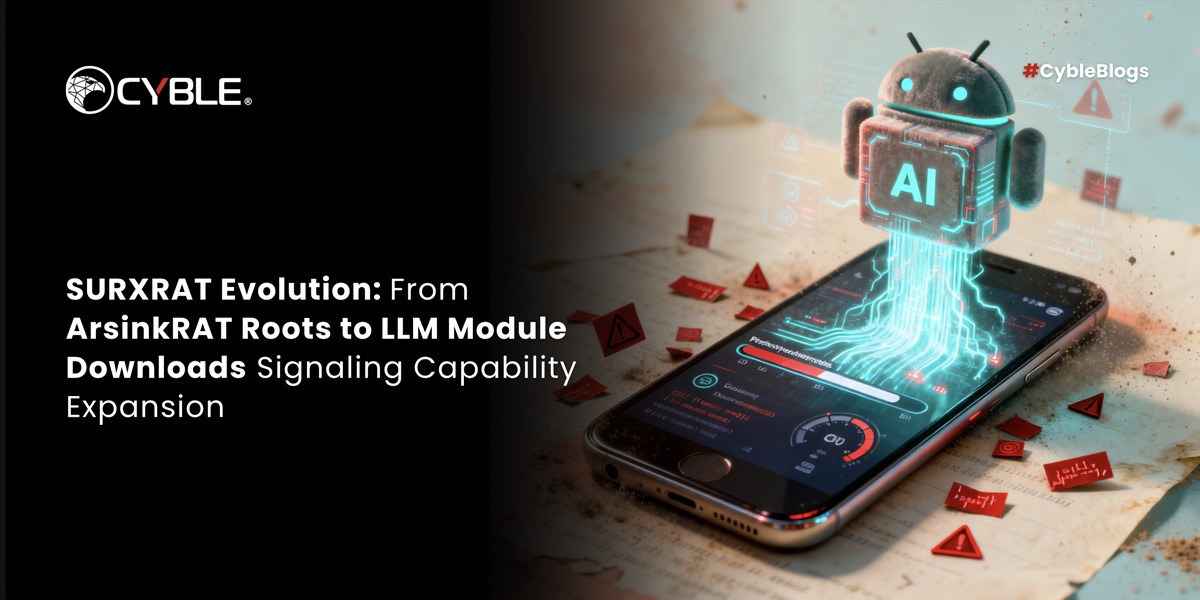
A new variant of the Android Remote Access Trojan (RAT) known as SURXRAT has been identified, showcasing significant advancements over its predecessor, ArsinkRAT. According to research from Cyble, SURXRAT is currently being distributed through a Telegram-based malware-as-a-service (MaaS) model, enabling a more extensive reach for cybercriminals. This latest iteration, branded as SURXRAT V5, not only enhances traditional surveillance capabilities but also introduces the ability to download large language model (LLM) modules, indicating a sophisticated evolution in its operational functions.
Launched by an Indonesian threat actor, SURXRAT operates through a channel where it is marketed and regularly updated, allowing affiliates to create and distribute customized versions while still being controlled by a centralized infrastructure. Technical analysis reveals that SURXRAT functions as a comprehensive surveillance tool capable of extensive data exfiltration and real-time device control. Its ability to leverage accessibility permissions for persistent control further complicates detection efforts, as it connects to a Firebase-based command-and-control (C&C) infrastructure.
The malware reportedly collects sensitive information such as SMS messages, contacts, call logs, and GPS data, facilitating credential theft and financial fraud. The introduction of the LLM module suggests that the operators are experimenting with AI-assisted functionalities that may augment existing capabilities, potentially for device manipulation or alternative monetization strategies. The LLM module, which surpasses 23GB, is downloaded under specific conditions, such as when certain gaming applications are used, indicating a targeted approach to its deployment.
The evolution of SURXRAT signifies a growing trend in the Android malware landscape, reflecting the increasing professionalization and scalability of cybercrime. The structured pricing tiers and licensing models employed by the operators enable targeted distribution, allowing aspiring cybercriminals to exploit the evolving threat environment. This MaaS model, akin to legitimate software-as-a-service offerings, underscores a shift toward a more organized criminal ecosystem.
As the threat actor maintains and updates SURXRAT, the malware’s capabilities have expanded to include a ransomware-style screen locker feature, which can deny device access until a ransom is paid. This dual functionality—spying and extorting—highlights a hybrid monetization strategy, effectively allowing operators to switch tactics based on victim profiles. The malware’s success in this evolving ecosystem suggests that it not only seeks to gather information but also to exploit it for profit through intimidation.
In light of these developments, cybersecurity experts recommend several best practices for users to protect themselves against such threats. These include installing applications only from verified sources, being cautious with app permissions, enabling multi-factor authentication for sensitive accounts, and maintaining up-to-date mobile security solutions. Such measures can provide essential defenses against the increasingly sophisticated tactics employed by malware like SURXRAT.
As SURXRAT continues to adapt and evolve, the implications for individual users and organizations alike are significant. The combination of advanced surveillance capabilities, ransomware functionality, and the incorporation of AI highlights the necessity for improved threat detection and user awareness in an era where mobile devices are pivotal in daily life. The ongoing development of such malware serves as a reminder of the persistent risks in the digital landscape, reinforcing the need for vigilance among all users.
See also Germany”s National Team Prepares for World Cup Qualifiers with Disco Atmosphere
 95% of AI Projects Fail in Companies According to MIT
 AI in Food & Beverages Market to Surge from $11.08B to $263.80B by 2032
 Satya Nadella Supports OpenAI’s $100B Revenue Goal, Highlights AI Funding Needs
 Wall Street Recovers from Early Loss as Nvidia Surges 1.8% Amid Market Volatility