
















































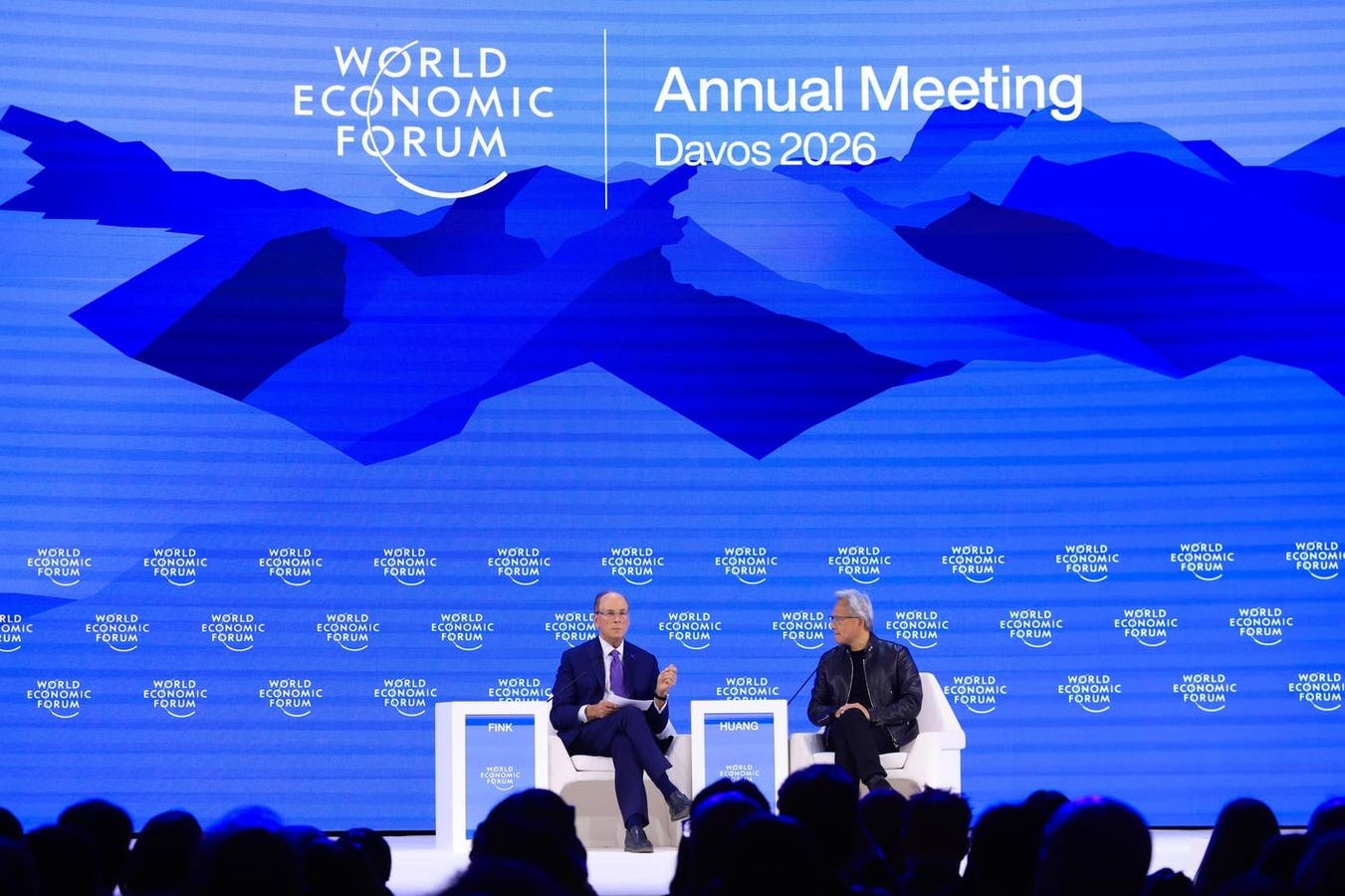
During the 2026 World Economic Forum in Davos, Dario Amodei, CEO and cofounder of Anthropic, made headlines by comparing the U.S. decision to permit sales of Nvidia’s advanced AI chips to China to “selling nuclear weapons to North Korea.” He warned of significant national security risks associated with this policy, which he believes could empower a geopolitical competitor in the rapidly evolving AI landscape.
Amodei’s remarks underscore a complex dilemma faced by U.S. policymakers. While there is a strong commercial impetus to keep markets open, the strategic need to maintain technological superiority is equally compelling. The ongoing debate reflects a broader concern: whether the U.S. should sell advanced AI chips to China, potentially enabling the country to catch up with U.S. capabilities within a few years. Conversely, restricting sales could prompt China to develop its own technology ecosystem, diminishing American influence in the long term.
Jensen Huang, CEO of Nvidia, has publicly criticized U.S. authorities for overstating the risks associated with selling advanced chips to China. He argues that China already produces its own AI chips, suggesting that cooperation in technology trade could benefit all parties involved. Huang views China as a vital market, and the absence of Nvidia products could significantly weaken its competitive position in a region where it once dominated.
However, Amodei’s warning highlights the unique nature of AI chips, which are fundamental to developing and operating powerful AI models. He cautions that if China gains access to chips comparable to those used by U.S. firms, the U.S. risks losing its competitive edge. The potential fallout includes advancements in military AI capabilities and intelligence analytics that could shift the balance of power in both economic and technological spheres.
This issue has drawn criticism from various quarters. Some national security experts argue that imposing export controls might inadvertently bolster China’s domestic innovation, thereby diminishing U.S. influence in a significant AI market. David Sacks, the White House AI and crypto czar, has pointed out that overly stringent export restrictions may strengthen Chinese competition while undermining American firms’ ability to shape global technology standards.
As the U.S. continues to impose limitations on its technology, the risk is that the longer China is restricted from accessing American innovations, the more motivated it will be to develop indigenous capabilities. Such a trend could lead to divergent technology ecosystems that could marginalize U.S. influence on global standards and interoperability.
Current U.S. policy aims to strike a balance, allowing for the export of certain chips, such as Nvidia’s H200, while withholding the most advanced models like the Vera Rubin series. Yet, national security officials remain vigilant, noting that any access to chips that can significantly enhance China’s AI capabilities represents a crucial shift in U.S. technology policy.
The core question remains: at what point does facilitating commerce inadvertently accelerate a rival’s technological ascent? Policymakers must consider how to prevent exported technology from bolstering adversarial military capabilities while still engaging in legitimate economic activities.
Nuanced Policy Requires Strategic Focus
Speaking on the WBUR On Point podcast, Amodei emphasized the need for a calibrated strategy that aligns with U.S. interests. He contended that leadership in AI cannot be solely determined by chip sales; it also relies on talent, data, and research networks. The U.S. maintains significant advantages in these areas, yet investing in domestic capabilities is critical for long-term leadership.
Amodei pointed out that enhancing semiconductor manufacturing in the U.S. is essential. Export policies may influence the pace of technology diffusion, but genuine leadership will stem from strengthening domestic production capabilities and developing the necessary talent to drive future breakthroughs.
Simultaneously, U.S. policymakers must remain aware of the strategic risks involved. Advanced semiconductors are not mere consumer goods; they are foundational elements that can shape entire industries and military strategies. A rigorous licensing process is vital to protect national security while avoiding counterproductive isolation that may accelerate technological self-sufficiency abroad.
This nuanced approach is not without precedent. The U.S. has navigated similar challenges in high-performance computing and technological competition in the past. As generative AI increasingly influences economic power, military capabilities, and social systems, policymakers must ground their strategies in a clear understanding of the sources of American advantage. Striking a balance, rather than adopting an absolutist stance, will be critical for the U.S. to sustain its leadership in the AI era.
See also Elon Musk Critiques Anthropic’s AI Ethics, Ignites Debate on Industry Values and Accountability
 Mistral AI’s Arthur Mensch Declares China Not Behind in AI, ASML Invests €1.3B
 EY’s Teigland: Invest in Workforce Redesign for AI Productivity Gains of 14%
 Anthropic Expands Claude AI with 84-page Constitution for Enhanced Ethics and Safety