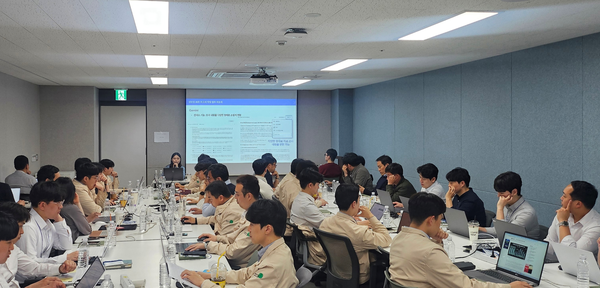
Senior education policymakers gathered in London this week for the BETT conference, one of the largest fairs dedicated to educational technology. The event provided a platform for discussions on digital transformation in education, emphasizing the need for effective strategies to integrate technology into learning environments. Among the key participants was Andreas Schleicher, Director for Education and Skills at the OECD, who shared insights on the implications of generative AI for education.
Schleicher’s participation highlighted the growing intersection of technology and educational policy. In his column, he articulated the lessons learned from recent advancements in generative AI and how they can be leveraged to enhance educational outcomes. The discussions at BETT underscored the urgency for educational institutions to adapt to rapidly changing technological landscapes, particularly as generative AI technologies become increasingly prevalent.
One of the focal points of the conference was the potential of generative AI to personalize learning experiences. Schleicher noted that the ability of AI to analyze vast amounts of data can help educators tailor instruction to meet the diverse needs of students. This capability has significant implications for improving engagement and comprehension, particularly for learners who may struggle in traditional educational settings.
However, the conversation also touched on the challenges that accompany such technological integration. Concerns were raised regarding data privacy, the digital divide, and the need for appropriate training for educators. Schleicher emphasized that while generative AI holds great promise, its implementation must be accompanied by robust ethical considerations and equitable access to technology.
The discussions at BETT also reflected a broader trend in education toward embracing technology to facilitate innovative teaching methods. As more schools adopt digital tools, there is a growing recognition of the necessity for comprehensive digital literacy programs that prepare both students and educators to navigate these new landscapes. This shift is not merely about integrating new tools, but about rethinking the very foundations of educational practices.
Furthermore, the role of policymakers emerged as critical in guiding these transitions. With technology advancing at an unprecedented pace, there is a pressing need for clear frameworks that support educational institutions in their digital transformation journeys. Schleicher pointed out that effective policy can foster environments where technology is used to augment learning rather than replace traditional methods. By developing guidelines that prioritize educational equity and quality, policymakers can ensure that the benefits of technological advancements are accessible to all students.
As the BETT conference wrapped up, it became clear that the future of education will be shaped significantly by how effectively stakeholders can harness the potential of generative AI and other emerging technologies. The dialogue initiated at this event will likely influence ongoing discussions within educational circles as they strive to balance innovation with the fundamental principles of effective teaching and learning.
Looking ahead, the intersection of education and technology will remain a dynamic field, with ongoing challenges and opportunities. The insights gained from BETT serve as a crucial reference point for educators, policymakers, and technology developers as they work together to create an educational ecosystem that not only embraces innovation but also ensures the equitable growth of all learners.
See also Runway Research Reveals 90% of Users Can’t Distinguish AI-Generated Videos in New Study
 Huawei Researchers Unveil Roadmap to Overcome 10 Key Challenges in Diffusion Language Models
 Studio Ghibli Search Launches AI-Powered Scene Finder Using Text and Images
 GPT Proto Launches Kling o1 and 2.6 API, Offering 35-50% Lower Pricing for AI Video Generation
 China’s Open-Source AI Strategy Aims for 70% Economic Integration by 2027