Nvidia CEO Jensen Huang is set to visit China just days before the Lunar New Year, with aims to address significant sales roadblocks that threaten the chipmaker’s standing in the world’s second-largest economy. According to sources familiar with Huang’s itinerary, his arrival in Beijing coincides with a scheduled company event, but the underlying motivation is far more critical: salvaging Nvidia’s relationships with Chinese buyers amidst heightened U.S. export controls.
This trip is particularly crucial given that the Chinese market previously accounted for at least 20% of Nvidia’s data center revenue. Recent reports indicate that Chinese authorities have limited the purchase of Nvidia’s H200 AI chips to research-only use, effectively blocking any commercial sales. This development has raised alarms within the company, prompting Huang’s urgent diplomatic mission disguised as a festive gathering.
The timing of Huang’s visit is not coincidental. With Nvidia scrambling to adapt to new restrictions, the company is keen to engage directly with potential buyers. Huang’s agenda includes discussions with them to tackle ongoing logistical challenges in supplying U.S.-approved chips to the Chinese market. These chips, designed specifically to comply with Washington’s export restrictions, are essential for maintaining at least some revenue flow from a market that was once a significant contributor to Nvidia’s bottom line.
Sources informed CNBC that Huang’s meetings will delve into recent difficulties related to sourcing and providing these U.S.-approved chips in light of escalating tech restrictions. Despite the Commerce Ministry’s non-committal response when questioned about the situation, the message is clear: Nvidia’s future in China hangs by a thread.
While Huang’s visit does incorporate celebratory elements—such as traditional Lunar New Year customs—the stakes are undeniably high. This trip represents a pivotal moment for Nvidia, as the company grapples with not only maintaining its foothold in the Chinese market but also navigating the broader geopolitical landscape that increasingly influences tech trade.
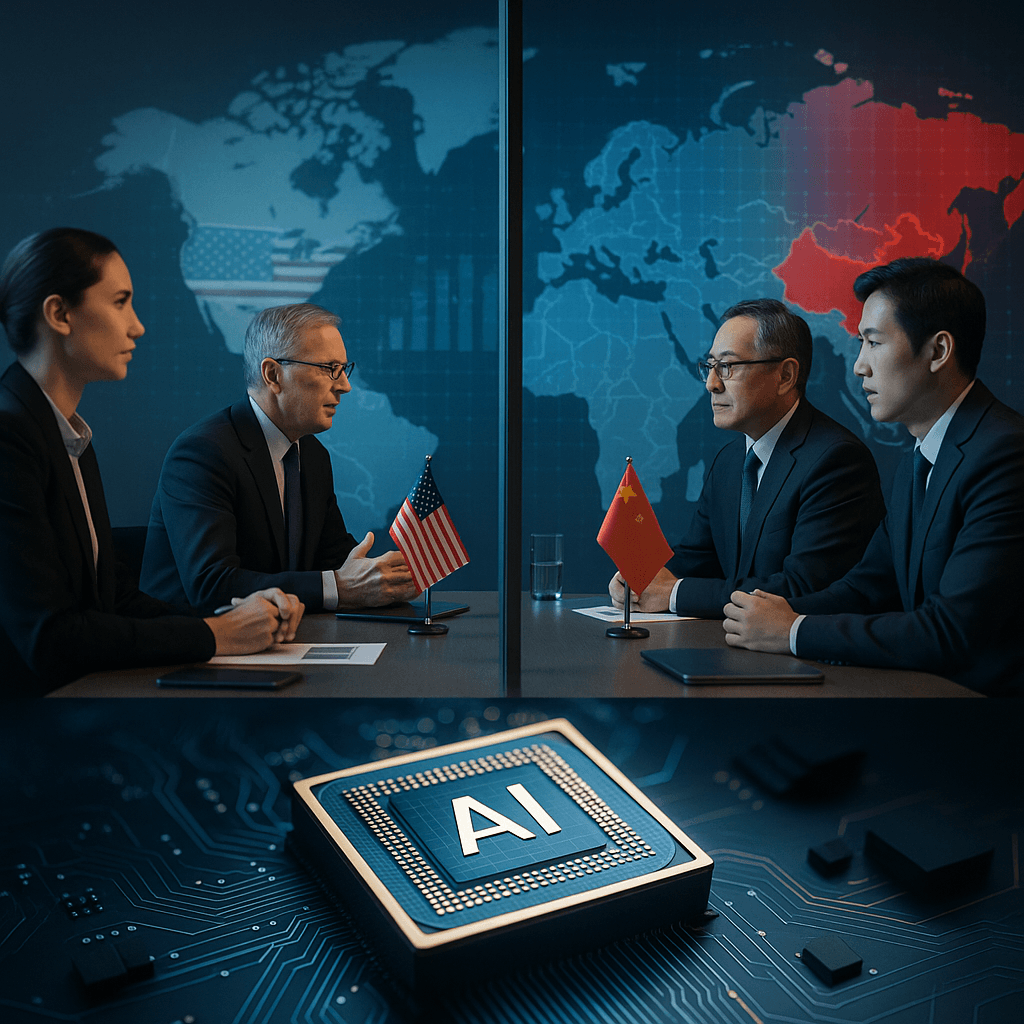
The situation underscores a growing tension between the U.S. and China over technology and trade, with both countries implementing measures that impact the semiconductor sector. As companies like Nvidia adapt to this shifting environment, they must balance compliance with regulations while striving to meet market demands.
What comes next remains uncertain, but Huang’s trip to China signifies a critical attempt to mend ties in a market that has been vital for Nvidia’s growth. As the company seeks to re-establish its presence, the outcome of these discussions could have lasting implications for both Nvidia and the broader tech landscape in the region.
See also India’s AI Impact Summit 2026: Pioneering Inclusive Growth for the Global South
 Anthropic Reveals 49% of U.S. Jobs Now Use AI for Key Tasks, Not Replacement
 Vizient Report: Aging Population and AI Investment Shift Hospital Economics by 2035
 AI Can Generate Prose, but Memoir’s Truth Remains Beyond Its Reach, Experts Warn