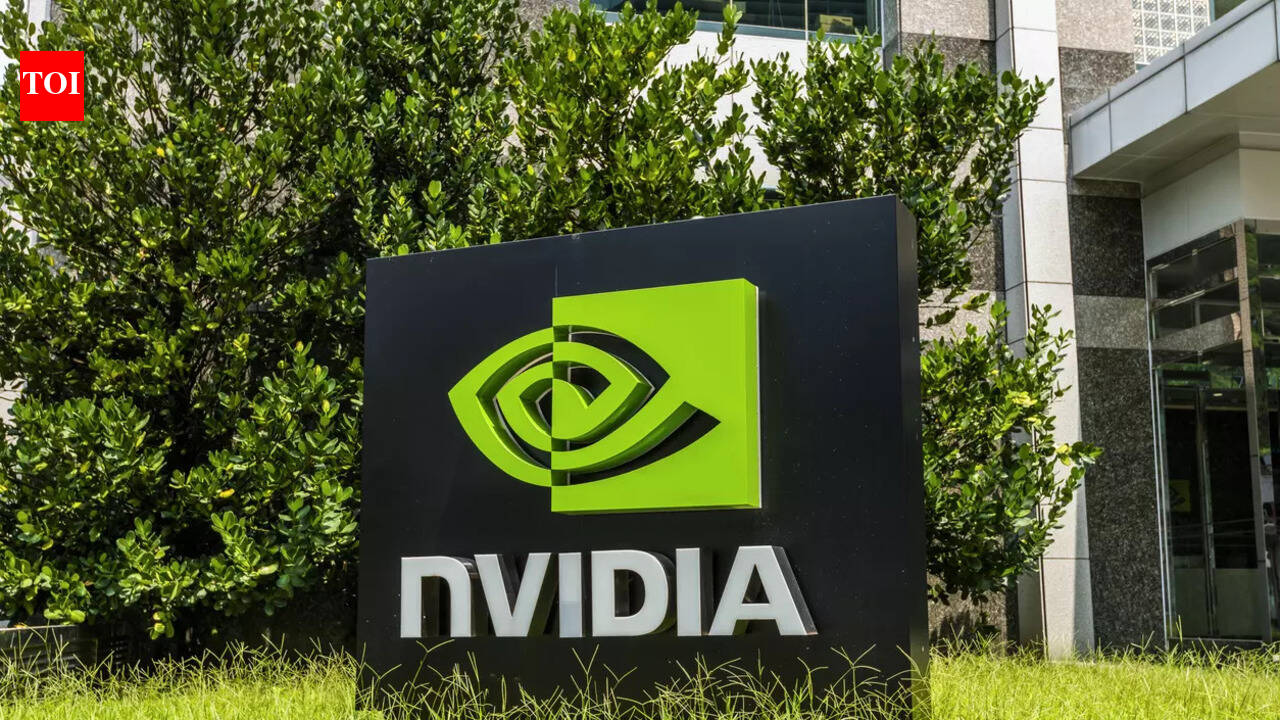
China has reportedly granted conditional approval for DeepSeek, a prominent AI startup, to purchase Nvidia’s high-performance H200 chips. This decision comes nearly a year after the company contributed to a staggering $600 billion loss in Nvidia’s market value. According to a report by Reuters, while the approval has been issued, the specific conditions are still pending finalization by China’s National Development and Reform Commission (NDRC). In addition to DeepSeek, major tech companies such as ByteDance, Alibaba, and Tencent have also received the green light to acquire the H200, which is recognized as Nvidia’s second most powerful AI processor.
DeepSeek’s influence on Nvidia’s stock is noteworthy. On January 27, 2025, Nvidia shares plummeted nearly 17% in a single day, marking what is considered the largest market capitalization loss in U.S. history. This drop was largely attributed to DeepSeek’s announcement regarding its R1 model, which claimed that advanced AI could be trained more efficiently and cost-effectively using fewer chips. Such assertions raised alarms among investors about a potential decline in demand for Nvidia’s high-end silicon products. The fallout affected other AI companies as well, including OpenAI, which has invested heavily in developing its AI models.
As DeepSeek pivots from being viewed as a competitive threat to becoming a significant customer for Nvidia, the timing of the new approval is critical. The startup is anticipated to unveil its next-generation V4 model in mid-February, which is expected to feature enhanced coding capabilities. This development illustrates a significant shift in the relationship between Nvidia and DeepSeek, emphasizing how quickly the landscape for AI technologies can evolve.
Earlier this month, the U.S. government granted export clearance for the H200 chips to China, but the ultimate decision for import approval lies with Beijing. The Chinese government is striving to balance the immediate computational demands of its tech sector while supporting domestic chip manufacturers like Huawei. Reports have indicated that the NDRC might impose “bundling” requirements, which would necessitate that Chinese tech firms purchase a specified ratio of domestic AI accelerators for every Nvidia H200 they import.
Nvidia CEO Jensen Huang has acknowledged the complexities surrounding the approval process, stating, “I believe that China was still finalizing the license.” This uncertainty underscores the ongoing challenges in the global semiconductor market, where geopolitical factors significantly influence trade dynamics.
The evolving situation highlights the intersection of innovation and regulation in the AI landscape. As companies like Nvidia navigate the intricacies of international trade and emerging competitive threats, the implications for both American chipmakers and Chinese tech firms could reshape the future of the industry. With DeepSeek’s upcoming product launch and Nvidia’s ongoing adjustments, stakeholders will be keenly observing how these developments unfold in the months ahead.
See also OpenAI Launches Prism: A Game-Changer for Scientists Using AI in Research Collaboration
 India AI Impact Summit 2026: $70B Investments, 840 Exhibitors, 500 Global Events Set to Transform AI Landscape
 Senate Democrats Demand ICE Reforms as Government Shutdown Looms Amid Fatal Shootings
 Claude Code: Transforming Software Development with AI-Powered Solutions and Startup Creation
 Geopolitical Tensions and AI Risks Demand Urgent Cybersecurity Overhaul by 2026, Warns Minsait