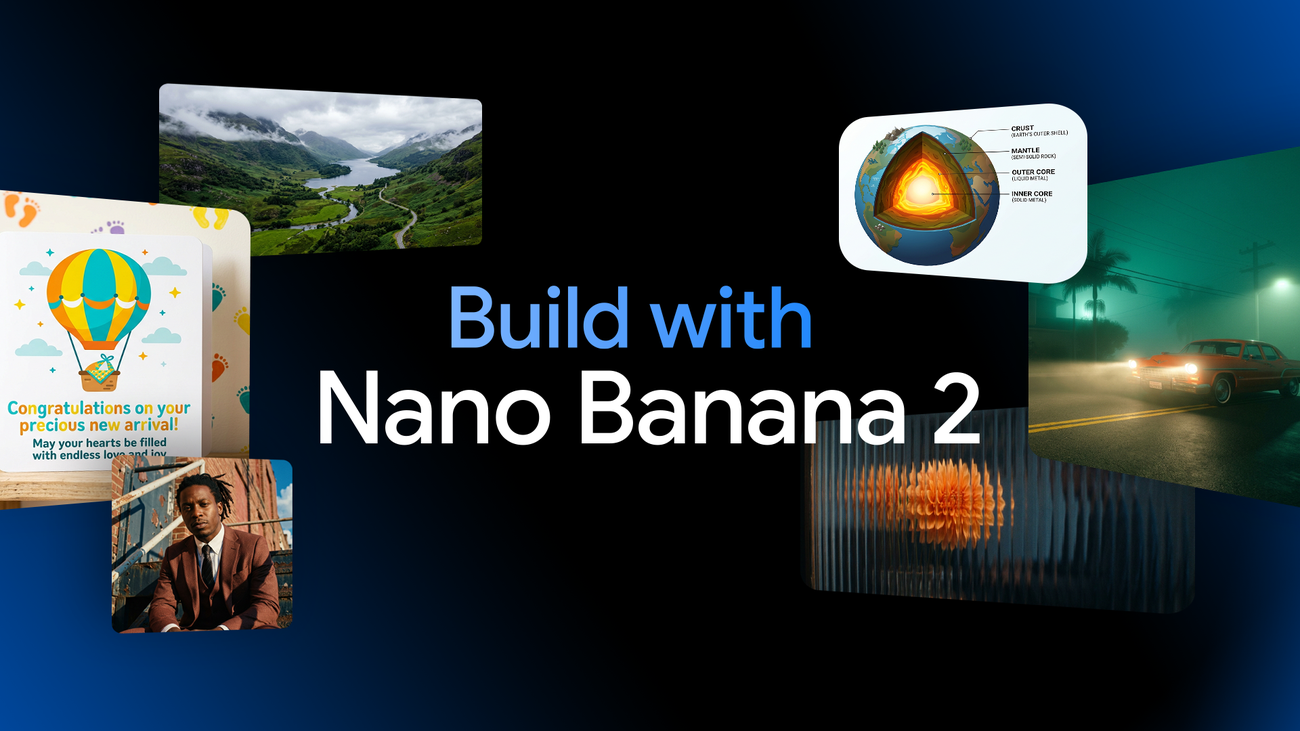
Nano Banana 2, a newly launched model developed for dynamic user interface generation, significantly enhances text rendering capabilities compared to its predecessors. This upgrade, moving beyond the traditional Flash image models, ensures that text within applications is not only crisp but also accurately depicted, catering to the growing demand for quality in digital content creation.
The new model is particularly beneficial for developers working on applications that produce images at scale or creative tools that require precision in text representation. With Nano Banana 2, text can now be rendered with the same level of detail as the accompanying artwork, a shift that holds considerable implications for industries reliant on high-quality visuals.
One of the standout features of Nano Banana 2 is its support for in-image localization. This capability allows users to generate or translate text across multiple languages directly within an image, thereby streamlining the process of localization for global applications. This advancement will prove essential as businesses increasingly seek to engage international markets.
To demonstrate the practical applications of these new features, the team behind Nano Banana 2 has developed a demo app called “Global Ad Localizer.” This application translates advertisements into various languages, illustrating the model’s advanced in-image localization abilities. The demo not only showcases the text rendering of translated content but also emphasizes the model’s understanding of visual localization, ensuring that images resonate with diverse audiences.
As the demand for localized content grows, tools like Global Ad Localizer play a vital role in helping businesses effectively reach and communicate with global consumers. The ability to instantly translate and adapt text within images could revolutionize marketing strategies and broaden the scope for brands seeking to establish a foothold in different regions.
The implications of Nano Banana 2 extend beyond mere aesthetic improvements. By enhancing the precision of text rendering and localization, this model positions itself as a crucial tool for developers and marketers alike. The seamless incorporation of language translation directly within visual content not only reduces the time and resources typically required for localization efforts but also enhances the overall user experience.
As the tech landscape continues to evolve, the need for efficient and effective localization solutions remains paramount. Companies that leverage innovations like Nano Banana 2 are likely to gain a competitive edge in their respective markets. The future of digital content creation and marketing will increasingly hinge on such advancements, making it imperative for organizations to adapt and integrate these technologies into their strategies.
The launch of Nano Banana 2 signals a broader trend towards more sophisticated digital tools that enhance interactivity and engagement. As more developers adopt these capabilities, it will be interesting to observe how these advancements transform creative processes and the localization of global content. In an interconnected world, the ability to communicate effectively across languages and cultures is more crucial than ever, and innovations like this will undoubtedly play a significant role in shaping the future of communication.
See also Manifold Bio Validates 1M AI-Designed Protein Binders with NVIDIA’s New Model
 Wa’ed Ventures Invests $500M in Resemble AI to Combat Surge in Deepfake Fraud
 NVIDIA Launches Jetson AGX Thor to Propel Real-Time Multimodal AI for Robotics
 Multimodal Imaging Market to Exceed $7.43 Billion by 2035, Driven by AI Innovations
 OpenAI’s Generative AI Users Face Potential Copyright Liability Amid Legal Uncertainties