Google has restricted its AI tools, including Gemini and the Nano Banana image generator, from generating content based on prompts referencing Disney characters. This action, first reported by Deadline and corroborated by CNET, appears to be a direct response to a cease-and-desist letter from Disney received in December. The letter accused Google of failing to employ sufficient technology to prevent copyright infringement.
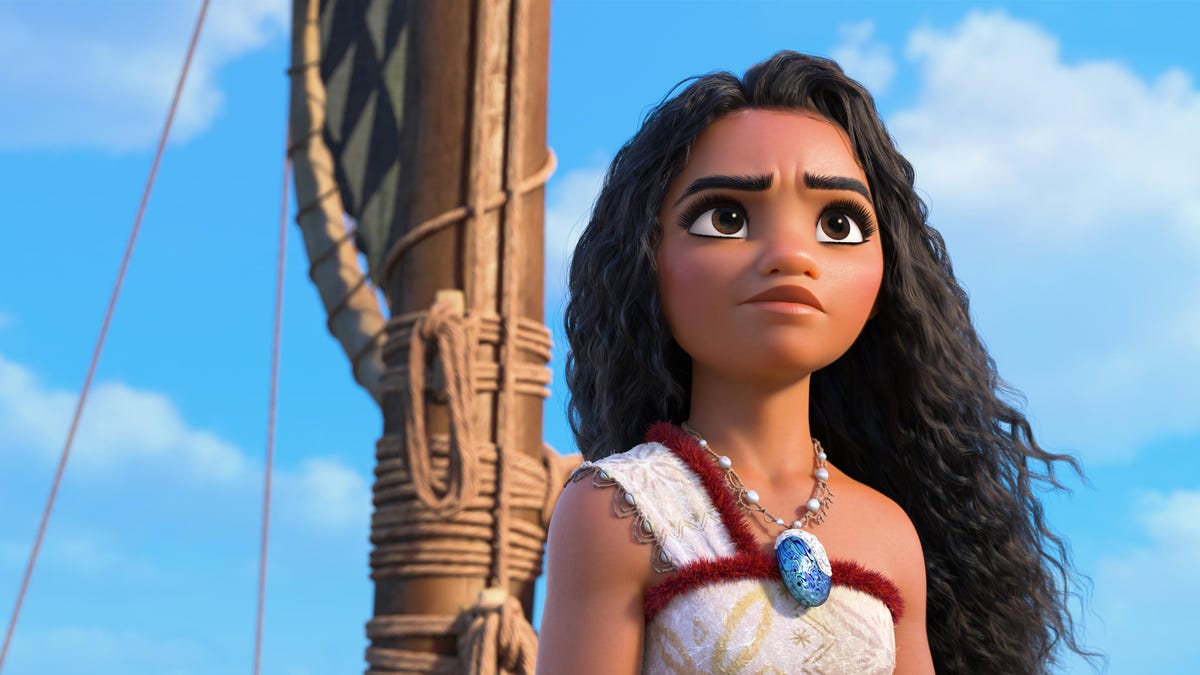
In the cease-and-desist correspondence, Disney claimed that “Google continues to directly exploit Disney’s copyrights for commercial gain.” As a result of these changes, prompts that mention characters like Moana or even offer descriptions similar to Disney’s Tinker Bell now trigger error messages or cause the AI tools to stall. In one instance, CNET attempted to generate an image of a character resembling Mickey Mouse without explicitly naming him, describing it as “A cartoon mouse with big yellow shoes wearing red shorts with two white buttons on the front. He has a black ball nose and looks very happy.” The AI responded with a warning: “I can’t generate the image you requested right now due to concerns from third-party content providers. Please edit your prompt and try again.”
Notably, while early versions of Mickey Mouse are in the public domain, Google’s limitations regarding Disney characters complicate the issue further. This change coincides with a strategic partnership between Disney and OpenAI, initiated last year, which would introduce 200 Disney characters to OpenAI’s Sora video generator platform. This partnership includes a significant investment from Disney, amounting to $1 billion.
Representatives from both Google and Disney have not yet responded to requests for comments regarding this development. As AI technology continues to evolve, the implications of copyright law on these digital tools remain a crucial topic of discussion within the tech and entertainment industries.
As companies navigate the complex landscape of intellectual property rights, the actions of Google and Disney underscore the ongoing tension between innovation in AI and the protection of creative works. This dynamic is likely to shape future interactions between tech companies and content creators, prompting a reevaluation of the boundaries of AI capabilities and copyright enforcement.
See also OpenAI Experiments with Conversational Ads in ChatGPT, Shifting Digital Advertising Focus
 Delhi Luxury Hotels Surge Rates to ₹20 Lakh Amidst Global AI Leaders’ Summit 2026
 Perplexity Launches Health Module with Apple Health Integration for U.S. Users