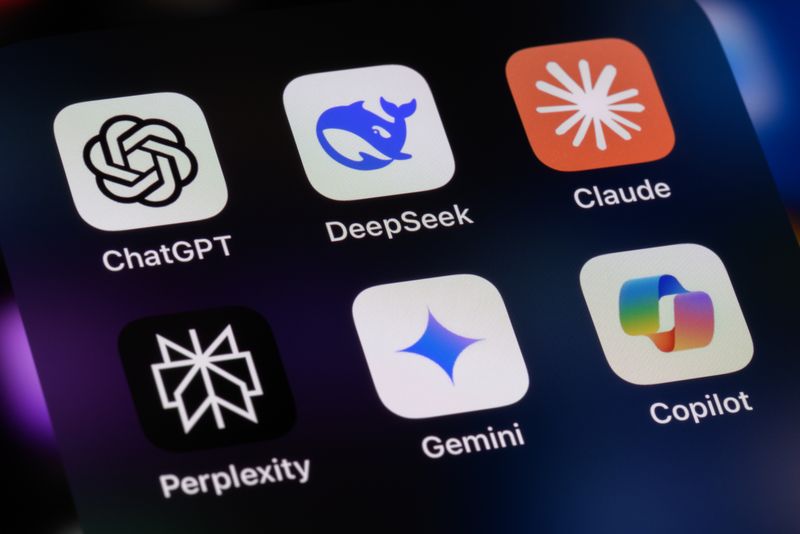
Mrinank Sharma, an Indian-origin AI safety researcher, has resigned from **Anthropic**, citing a growing sense of peril not only from artificial intelligence but also from a “whole series of interconnected crises.” His departure has ignited renewed discussions within the global technology community about the implications of rapid AI advancements. Sharma’s warnings come just ahead of the **AI Impact Summit 2026**, which is scheduled to be held in **New Delhi** from **February 16-20**. The summit aims to confront critical issues surrounding AI governance, safety, and workforce impacts.
Sharma’s resignation from **Anthropic**, one of the largest AI companies globally, highlights escalating tensions in the field of AI ethics amid fierce competition. The summit is set to feature prominent IT leaders, including **Sundar Pichai** of **Google**, **Jensen Huang** of **NVIDIA**, **Dario Amodei** of **Anthropic**, **Sam Altman** of **OpenAI**, **Demis Hassabis** of **Google DeepMind**, and influential figures like **Bill Gates** and **Yann LeCun**. With Amodei himself attending, the summit is poised to become an urgent platform for discussions on issues raised by Sharma’s exit.
Earlier this month, new product launches from **Anthropic** had notable impacts on Indian IT stocks, with major firms like **Infosys** and **TCS** experiencing declines due to concerns over automation. The wider technology market also felt the strain, with the **Nasdaq** technology index falling 8% on the same day of the announcements. This turbulence reflects growing anxieties over AI’s potential to disrupt consulting, outsourcing, and white-collar employment. Amodei has warned of significant job transformations in the next five years, further intensifying the conversation around workforce implications.
Sharma, who joined **Anthropic** two years ago to enhance safety protocols, expressed discontent with internal divergences between the company’s stated values and the pressures of rapid scaling. His final work focused on the erosion of human agency due to AI, amplifying calls for cautious deployment of the technology. He concluded his resignation on **LinkedIn** with the poignant lines from **William Stafford’s poem**, “The Way It Is,” which speaks to an unwavering moral thread amid chaos. The poem underscores the notion that humanity must navigate a precarious threshold, demanding wisdom commensurate with the power of technology.
The **AI Impact Summit** aims to position India as a hub for AI policy discussions, addressing pressing topics such as regulation, access to computing resources, and the balance between open and closed technological models. As Sharma’s exit magnifies the urgency of these discussions, the summit provides a crucial opportunity for global leaders to engage in meaningful dialogue on the future of AI.
Recent product innovations from **Anthropic**, including **Claude Opus 4.6**, have added capabilities in coding, long-task management, and professional outputs such as financial analysis. The earlier launch of **Claude Cowork** introduced a range of plugins designed for legal, marketing, and data tasks, automating high-volume work and positioning AI agents to tackle complex projects. Such advancements challenge existing **Software as a Service (SaaS)** frameworks by offering increased automation in traditionally labor-intensive sectors.
As the urgency surrounding AI governance and ethical considerations grows, Sharma’s departure serves as a stark reminder of the stakes involved in unchecked technological advancement. The upcoming summit will likely deepen the conversation on how to balance innovation with moral responsibility, resonating with Sharma’s warnings of a world at risk. The discussions will examine not just the future of AI but also its societal implications, setting the stage for substantial policy directions in the evolving landscape of artificial intelligence.
See also AI-Enabled Arbitration Revolutionizes Dispute Resolution Amid Legal Challenges
 OpenClaw’s Reckless Autonomy Raises Security Alarms Among Experts and Users
 State AI Laws Clash With Federal Executive Order 14365, Creating Compliance Dilemma for Employers
 Canada’s AI Regulation Lags, Fails to Protect Privacy and Human Rights Amid Rapid Growth