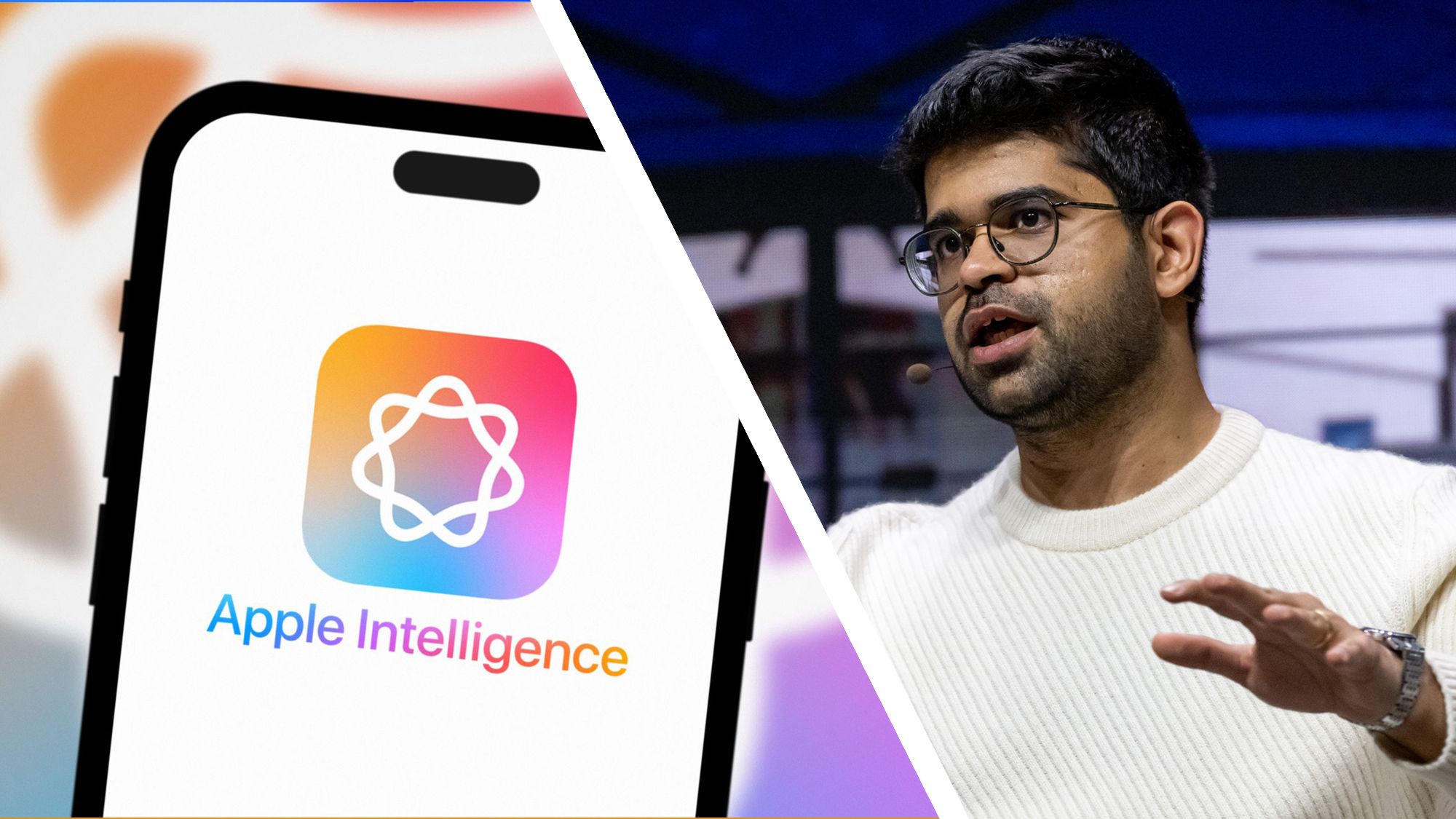
In a recent discussion on the “This Week in AI” podcast, Perplexity CEO Aravind Srinivas defended Apple’s iPhone against growing concerns about its relevance in an increasingly AI-dominated landscape. Despite criticisms regarding Apple’s AI capabilities, Srinivas asserted that the iPhone’s unique strengths will ensure its continued success. He emphasized that the device is not threatened by AI alternatives, stating, “The iPhone is actually not getting disrupted by AI at all.” Instead, he believes that as AI technology evolves, the iPhone will become even more integral as a “digital passport.”
Srinivas elaborated on the iPhone’s central role in users’ lives, highlighting its capacity to store essential information such as wallets, bank cards, health records, and cherished photographs. He noted that the device facilitates personal connections through messaging and FaceTime, underscoring that these are fundamentally personal aspects of life that AI cannot replace. “All these are things that are truly personal to you and have no connection to AI at all,” he remarked.
This perspective comes amid widespread speculation about how AI could redefine mobile technology. Critics argue that many tasks currently performed on smartphones—ranging from information retrieval to creative endeavors—could be taken over by AI-driven devices specifically designed for such functions, potentially signaling a decline in smartphone use. Previous attempts to create AI-centric devices, such as the Humane AI Pin and the Rabbit R1, have faltered, while iPhone sales continue to show resilience.
The podcast discussion also touched on Apple’s strategic advantages in the AI arena, particularly its strong emphasis on privacy and advanced silicon chips that facilitate on-device AI processing. This approach contrasts with cloud-based systems, where sensitive data could potentially be vulnerable. For privacy-conscious consumers, these features make the iPhone an appealing choice amid growing concerns about data security.
Despite a perception that Apple is lagging in the AI race compared to competitors who are rolling out more advanced or multifunctional products, Srinivas suggests that it might be premature to dismiss Apple’s significance in the AI landscape entirely. He argued that Apple’s existing strengths—such as robust privacy features and its reputation for high-quality hardware—could pave the way for a sustained presence in the evolving market.
Looking ahead, it is evident that the interplay between smartphones and AI will continue to be a focal point in technology discussions. While other companies may currently be at the forefront of AI innovation, Apple’s established ecosystem and user trust may afford it a secure position in the long-term evolution of mobile technology. As AI capabilities advance, it will be critical to observe how Apple adapts its product offerings to meet emerging consumer demands while maintaining its core identity.
See also Cohere Merges with Aleph Alpha to Create $20 Billion Transatlantic AI Powerhouse
 Character.AI Launches ‘Books’ Feature to Immerse Users in 20 Classic Novels
 Mistral AI Launches Leanstral to Eliminate Human Code Checks with Formal Verification
 FDA Fast-Tracks Psilocybin and Methylone Review with National Priority Vouchers for Mental Health
 Southern California Edison Announces $0.31875 Dividend Amid AI Infrastructure Challenges