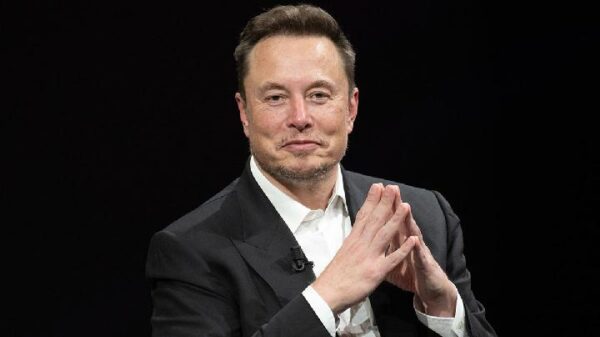
The Trump administration on Friday joined a lawsuit challenging Colorado’s pioneering law designed to prevent discrimination in high-risk artificial intelligence systems. The U.S. Department of Justice’s involvement adds significant weight to an action initiated by Elon Musk’s xAI, which aims to overturn the state’s Artificial Intelligence Act, passed by lawmakers in 2024.
The Colorado Artificial Intelligence Act is touted as the first of its kind in the United States, establishing a framework intended to mitigate biases associated with AI technologies. Supporters argue that the legislation is essential in ensuring that AI systems operate fairly, particularly in critical areas such as employment, lending, and law enforcement.
While Colorado’s approach has garnered praise from proponents of ethical AI, critics, including Musk’s xAI, contend that the law imposes overly burdensome regulations that could stifle innovation and development in the rapidly evolving AI landscape. The concerns echo broader fears within the tech industry regarding the potential for legislative measures to hinder technological advancement.
By aligning with xAI, the Trump administration underscores its position that state-level regulations could create a patchwork of compliance challenges for companies operating nationally. This perspective reflects a growing debate about the role of government oversight in the burgeoning AI sector, which many believe should be primarily self-regulated.
Colorado Governor Jared Polis defended the law, emphasizing its necessity in an age where AI systems are increasingly integrated into society. “Our goal is to ensure that our legal frameworks adapt to the technological realities of today,” he stated. The law aims not only to establish standards for fairness in AI but also to promote accountability among developers and users of such technology.
The lawsuit’s ramifications extend beyond Colorado, potentially influencing how other states approach AI regulation. As AI technologies become more prevalent across various sectors, the outcome of this legal challenge could set a precedent for future legislative efforts aimed at addressing ethical concerns related to artificial intelligence.
As the case unfolds, stakeholders in the tech industry are poised to closely monitor developments. Many companies are weighing their compliance strategies in light of the potential for increased scrutiny and regulation. If the law is upheld, it could encourage other states to adopt similar measures, further shaping the regulatory landscape for AI across the United States.
The intersection of technology and regulation continues to be a contentious battleground, and the Colorado Artificial Intelligence Act is at the forefront of this evolving dialogue. Industry experts assert that the outcome of this lawsuit could significantly impact innovation trajectories within AI, framing a future where ethical considerations are as critical as technical capabilities.
See also US Justice Department Backs xAI Against Colorado AI Regulation, Cites 14th Amendment Violations
 Justice Department Joins Colorado AI Law Challenge Over Discrimination Concerns
 Iridius Secures $8.6M to Transform Compliance in AI for Regulated Enterprises
 Trump’s AI Policy Framework Would Limit State Regulation Amid Growing Local Moratoriums
 AI’s Role in Medicine Faces Urgent Regulation as 1 in 3 Americans Turn to Chatbots for Care