By Simon King
Artificial intelligence (AI) is rapidly becoming the central conduit between consumers and their preferred brands, particularly within the e-commerce sector. As the adoption of AI-powered chat services and browsing tools surges, consumers increasingly turn to large language models (LLMs) to identify specific products and find the best deals, all while receiving direct links to retail websites.
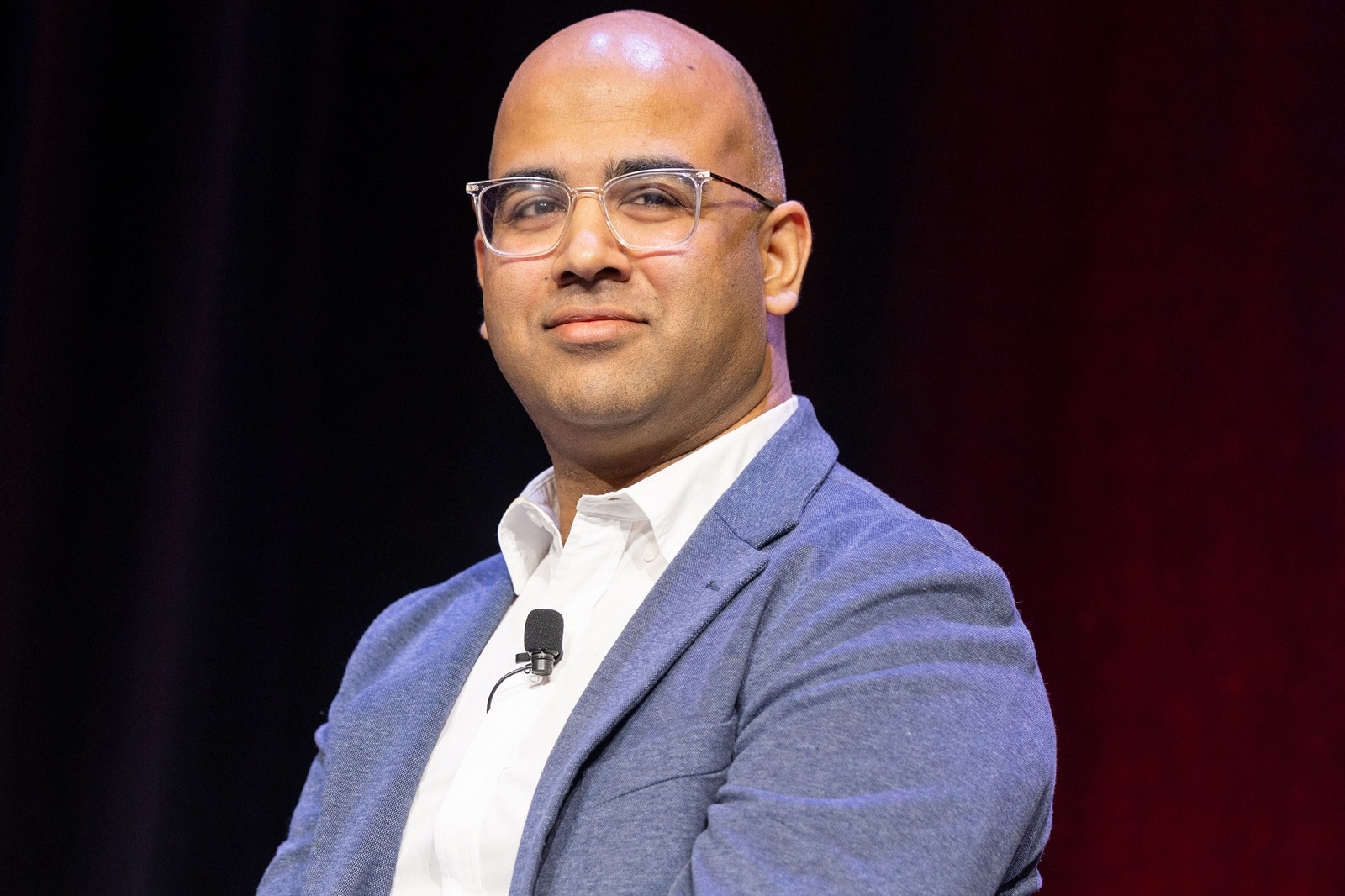
In an exclusive interview with RetailBiz at the Adobe Summit 2026, Adobe Digital Insights director Vivek Pandya highlighted that not all retailers are reaping the same benefits from this technological shift. Recent data from Adobe indicates that significant portions of US retail websites remain largely unreadable by machines, which hampers their visibility in AI-driven search results.
“As the internet continues to be determined by AI, there is increased urgency for retailers to revamp their digital properties and ensure their products remain top of mind with shoppers,” said Pandya. Adobe’s insights are derived from direct online transactions, encompassing over one trillion visits to US retail sites. In the first quarter of 2026, traffic sourced from AI to these sites surged by 393% year-on-year (YoY), with March 2026 alone witnessing a 269% YoY increase.
This growth follows a remarkable holiday season in late 2025, where AI traffic skyrocketed by 693% YoY, according to Pandya. In a survey, 39% of consumers reported having used AI for online shopping, with 85% of those respondents indicating that it enhanced their shopping experience. “These figures highlight the durable value that AI is delivering in the e-commerce space, shortening the time it takes for consumers to find what they need or locate relevant discounts,” he noted.
Furthermore, AI traffic is converting at a higher rate than traditional channels such as paid search and email marketing. In March 2026, AI traffic converted 42% better than its non-AI counterpart, establishing a new record and marking a significant turnaround from March 2025, when AI traffic had converted 38%. This increase in conversion rates can be attributed to rising consumer trust, as 66% of survey respondents believe AI tools provide accurate results, thus fostering greater confidence and driving transaction activity.
“The rise in AI conversion is reinforced by Adobe’s data on engagement and bounce rates,” Pandya explained. “Data from March 2026 showed that once an individual lands on a US retail site from an AI source, the engagement rate is 12% higher compared to non-AI traffic. These shoppers tend to spend 48% longer on the website and browse 13% more pages per visit.”
Adobe’s findings suggest that while US retailers have laid a solid foundation for AI visibility, significant improvements are necessary. “Consumer adoption of these AI tools is not slowing down, and businesses need to ensure their digital front doors are optimized for AI to remain relevant in today’s environment,” Pandya emphasized.
Pandya offered advice for retailers aiming to enhance their AI visibility. He noted that content is a crucial factor in the visibility equation. “Some retailers have excelled at ensuring their sites are readable and straightforward for AI to process, while others are underperforming in this area and have room to optimize their content to enhance their search visibility,” he stated. “Retailers need to provide a good user experience, as it’s essential that sites deliver rich, structured content that LLM agents can quickly assimilate and validate.”
He also mentioned that many retailers are taking the opportunity to ensure that products are well-described across their pages, especially in complex categories like electronics and jewelry. “Personalization, which seemed daunting five or six years ago, now feels much more achievable for many brands due to AI and the integration of data-rich systems,” Pandya added.
As AI continues to reshape the landscape of e-commerce, retailers face a pressing challenge to adapt their digital platforms to meet evolving consumer expectations. The urgency to optimize their online presence in light of increasing AI traffic and customer engagement has never been more critical.
See also IBM Reveals AI Solutions to Transform Retail Experience at Think 2026 Conference
 Fed’s Hawkish Stance Sparks Debate on Inflation and Growth Amid AI Market Boom
 Kamiwaza Launches 1.0 with Secure AI Orchestration for Regulated Industries
 Iren’s 1.6GW Oklahoma Site Boosts AI Potential, But Nebius Secures $27B in New Deals
 Jensen Huang Critiques AI Doom Predictions, Calls for Fact-Based Discussions