Kodiak AI, Inc., a prominent player in autonomous vehicle technology, has forged a strategic collaboration with Bosch to accelerate the development of production-grade autonomous trucking hardware. Announced on April 30, 2026, during the ACT Expo in Las Vegas, the partnership marks a significant step forward for both companies in the realm of driverless transportation.
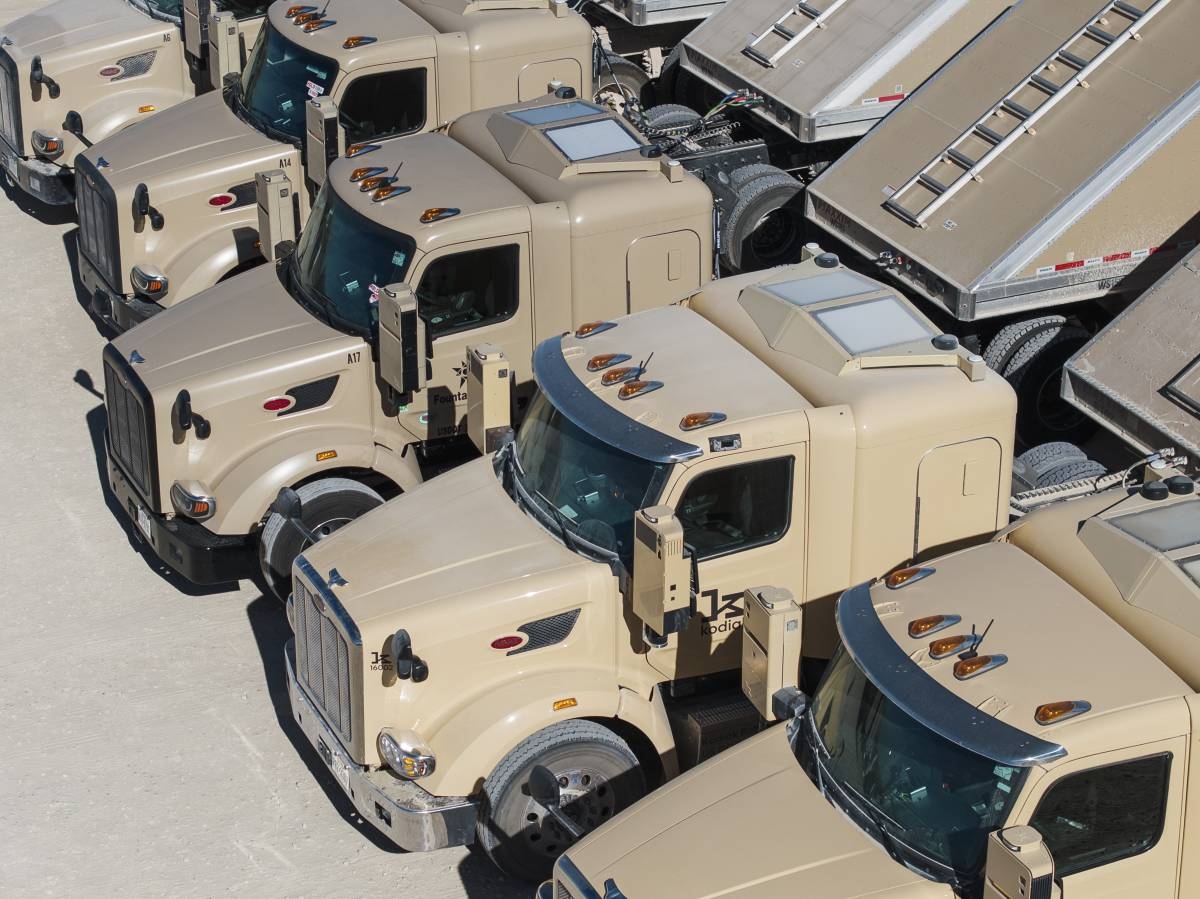
As part of the collaboration, Bosch has commenced the delivery of essential hardware components to Kodiak, which includes advanced sensor technology, integral for the operation of Kodiak’s proprietary self-driving system, the Kodiak Driver. Kodiak is currently testing and validating these camera samples, alongside integrating them into its SensorPods—customized hardware modules designed to house autonomous driving sensors. This rapid progression follows the initial announcement of their partnership in January 2026, transitioning from strategic planning to practical engineering efforts aimed at building a reliable and redundant autonomous platform.
“The quick transition to tangible engineering progress underscores the velocity behind this collaboration,” remarked Don Burnette, Founder and CEO of Kodiak AI. He emphasized the importance of validating Bosch’s sensors and components, noting that the companies are now deeply engaged in the technical aspects of high-volume production. “Our rapid progress is proving we have the shared ability to execute on the roadmap to industrialize the Kodiak Driver at scale.”
The focus of this partnership is not just on hardware but also on creating a holistic production-ready platform that incorporates hardware, firmware, and software interfaces essential for deploying the Kodiak Driver effectively. Peter Tadros, Regional President of Power Solutions at Bosch North America, highlighted the collaboration’s role in enhancing their understanding of the practical requirements needed for real-world autonomous vehicles. “This cooperation has accelerated and deepened our understanding of real-world autonomous vehicle requirements and helped us forge a path for scaling redundant autonomous driving technology for the entire ecosystem,” Tadros stated.
By uniting Kodiak’s autonomous driving expertise with Bosch’s manufacturing capabilities, the two companies aim to streamline the deployment of driverless trucks. This initiative is critical for addressing the evolving needs of the transportation industry, particularly in the face of increasing supply chain challenges. The collaboration promises to provide the necessary modularity, serviceability, and system-level integration required to achieve commercial success in autonomous trucking.
Kodiak’s SensorPod technology, which incorporates Bosch’s hardware innovations, is set to be showcased at the ACT Expo, running from May 3-6 at Bosch’s booth #2153 in the West Hall. This exhibition provides an opportunity for industry stakeholders to witness the advancements made through this collaboration firsthand.
Founded in 2018, Kodiak AI aims to lead the world in physical artificial intelligence and autonomous vehicle technology. Its mission is to revolutionize goods transportation, enhancing safety and efficiency while navigating unprecedented challenges in the supply chain. The Kodiak Driver, which operates without human intervention in the cab, represents a pivotal milestone for the company, which asserts it achieved a historic feat in 2024 by deploying customer-owned, driverless trucks in commercial service.
This strategic collaboration between Kodiak and Bosch highlights the broader shift towards automation in the transportation sector, as both companies work to meet the emerging needs of the industry. With the rapid evolution of autonomous vehicle technology, their partnership stands as a testament to the potential of collaboration in overcoming technical and logistical barriers, paving the way for a future of scalable, safe, and efficient autonomous trucking.
See also 1X Launches NEO Factory in Hayward, CA, Aiming for 100,000 Humanoid Robots by 2027
 AI Enhances U.S. Diplomacy by Augmenting Human Judgment, Not Replacing It
 European Parliament Fails to Reach AI Regulation Agreement Before August Deadline
 Chargebacks911 Launches Tools to Prevent False Declines in Agentic Commerce Transactions
 Fujitsu Reveals Mainframe Exit by 2035, Transitioning to AI Supercomputers and Quantum Tech