














































A recent ransomware attack on Japan’s Advantest Corporation underscores the increasing vulnerability of the semiconductor supply chain to cyber threats. The incident, which occurred earlier this month, disrupted key elements of the Tokyo-based firm’s internal IT infrastructure, highlighting the tangible risks posed by cyber incidents in a sector already grappling with escalating demand driven by artificial intelligence.
Advantest has since isolated the affected systems and engaged third-party cybersecurity experts to investigate the breach. While the company has confirmed that production equipment was not compromised, the attack led to delays in order processing, logistics coordination, and internal communication. Such disruptions can have cascading effects, creating bottlenecks that impact shipments and production timelines across the semiconductor industry, which is already under significant allocation pressure.
This incident is part of a troubling trend; the semiconductor sector has seen a rise in cyberattacks targeting firms like Microchip and Applied Materials. These breaches reveal that organizations within the semiconductor supply chain are prime targets for cybercriminals, particularly given the industry’s critical importance to global technology infrastructure.
Japan’s semiconductor ecosystem is vital, housing a significant concentration of materials suppliers, equipment manufacturers, and specialty component producers. Therefore, the impact of a single incident can reverberate across multiple tiers of the supply chain, introducing uncertainty and potential delays. The increasing digitization of semiconductor operations means that even minor IT disruptions can lead to substantial operational setbacks.
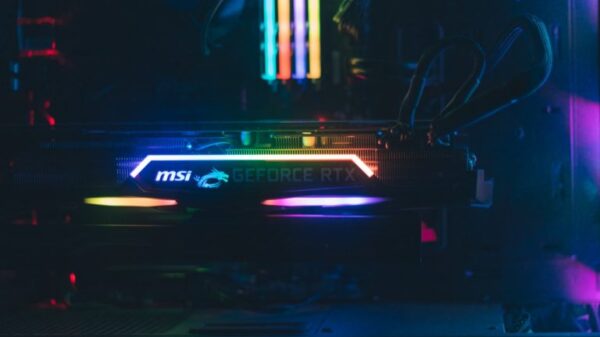
As such, the semiconductor industry now faces a dual challenge: rising demand for memory products amid a memory boom led by AI applications and the looming threat of cyber incidents. Recent analyses from TrendForce indicate that demand for memory, particularly DRAM and high-bandwidth memory (HBM), is surging beyond traditional enterprise or consumer workloads, driven predominantly by data center and AI server requirements.
Prices for memory components have increased sharply since 2025, exacerbating the stress on supply chains. OEMs and channel partners have issued price-increase notices ranging from 5% to 15%, as the gap between demand and supply widens. Upcoming platforms based on new CPU generations are expected to face higher memory costs, further squeezing the margins of consumer electronics manufacturers.
Reports indicate that some manufacturers are delaying product launches due to the inability to secure inventory as lead times increase. The AI-driven memory boom is reshaping hardware markets, prompting suppliers like Samsung, SK Hynix, and Micron to prioritize AI data center customers, thereby limiting capacity for consumer-grade products. Micron has even exited the consumer memory market to focus solely on enterprise and AI-centric demand.
Extended lead times and tighter allocations are expected to persist well into 2026, with some manufacturers already booking capacity as far out as 2028. This shift indicates that memory is no longer a commodity with self-regulating demand across purchasing cycles. Instead, the industry must now navigate a far more complex landscape, underscoring the necessity of increased visibility into memory supply commitments and flexible sourcing options.
As organizations look to fortify their operations against both supply chain disruptions and rising costs, tools such as enhanced market intelligence from Sourceability can play a crucial role. These resources enable companies to anticipate disruptions and secure supply ahead of peak demand, thus mitigating exposure to shrinking demand.
In summary, as the semiconductor landscape evolves under the dual pressures of AI demand and cyber threats, companies must adopt strategies that embrace diversification and resilience. The recent ransomware attack serves as a stark reminder of the interconnectivity and fragility of the semiconductor supply chain, while the ongoing memory boom presents both challenges and opportunities for stakeholders across the industry.
See also Anthropic’s Claims of AI-Driven Cyberattacks Raise Industry Skepticism
 Anthropic Reports AI-Driven Cyberattack Linked to Chinese Espionage
 Quantum Computing Threatens Current Cryptography, Experts Seek Solutions
 Anthropic’s Claude AI exploited in significant cyber-espionage operation
 AI Poisoning Attacks Surge 40%: Businesses Face Growing Cybersecurity Risks