


































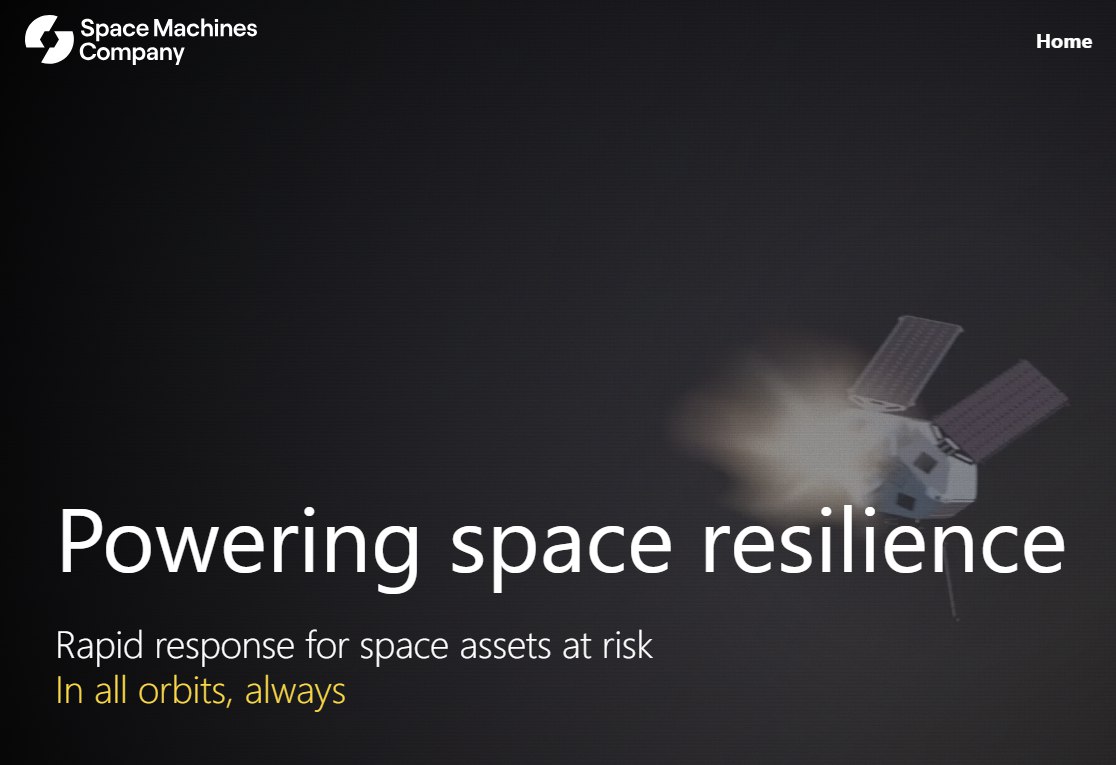
Sydney-based Space Machines Company has secured a A$2.9 million contract from Australia’s Department of Defence to develop an advanced artificial intelligence-driven system for detecting and responding to threats against satellites in orbit. This initiative aims to enhance national and allied space security amid a more congested and contested space environment. The contract, announced in early January 2026, is part of the Defence’s Advanced Strategic Capabilities Accelerator (ASCA) under its Emerging and Disruptive Technologies, Decision Advantage program.
The funding will support the development of the Space Threat Analysis and Response System (STARS), a prototype designed for autonomous, near real-time monitoring and decision support to protect Australian and partner nations’ space assets. Over the next 24 months, SMC will transition STARS from concept to functional prototype. The system will leverage data sourced from ground-based space domain awareness networks, commercial surveillance providers, and other platforms to predict potential threats, including close approaches between satellites, rendezvous operations, and potential interference in low Earth orbit (LEO), where objects travel at speeds nearing 28,000 kilometers per hour.
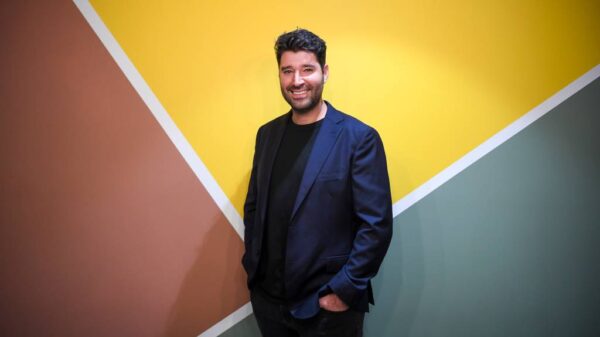
“STARS addresses a critical need for enhanced space domain awareness through autonomous analysis and response planning,” said Rajat Kulshrestha, CEO and co-founder of Space Machines Company. “The dynamic nature of the space environment demands automated systems capable of processing complex data and generating actionable intelligence at unprecedented speeds.”
By utilizing AI and advanced analytics, STARS will quickly evaluate threat characteristics, assess risks to satellites, and generate prioritized response options. The design emphasizes the protection of Australian assets while extending safeguards to allied systems, in line with the country’s National Defence Strategy and ongoing efforts to build resilience in the allied space defence industrial base.
Upon completion of the prototype, SMC plans to integrate STARS into its Solstice OS platform—an AI-driven command-and-control system for managing spacecraft fleets and facilitating on-demand orbital services. This integration will enable coordinated operations involving SMC’s Optimus Viper Rapid Response Vehicles, a fleet of agile, 200-kilogram orbital servicing spacecraft designed for rapid deployment and proximity maneuvers to inspect or protect targeted satellites.
The Optimus Viper, dubbed a “space first responder,” builds on insights from SMC’s earlier Optimus demonstration vehicle, which was launched on a SpaceX Falcon 9. These vehicles are engineered for 24-hour response capabilities, supporting various missions, including debris management, satellite life extension, and proximity inspections.
The STARS project emerges amid escalating concerns over the militarization and congestion of space. With thousands of satellites currently in orbit, including vast constellations like Starlink, the risk of collisions, intentional interference, and anti-satellite activities has significantly increased. Nations worldwide are racing to develop sovereign capabilities for space situational awareness, particularly in the geopolitically sensitive Indo-Pacific region.
Australia’s investment in STARS is part of broader initiatives to enhance decision-making across various domains, including space. The ASCA program has recently awarded nearly A$40 million in contracts aimed at advancing technologies across air, land, maritime, cyber, and space sectors. STARS stands out for its focus on autonomous threat response, allowing operators to rapidly shift from detection to action in environments where traditional manual processes leave little time for critical decisions.
Kulshrestha noted that SMC’s expertise in autonomous spacecraft operations and distributed command-and-control systems played a significant role in securing the contract. The company, based in New South Wales with operations in Adelaide, has established itself as a leader in proliferated space resilience through mass-produced rapid-response systems.
Looking ahead, SMC aims to provide a mature STARS capability to allied partners via the Solstice OS platform. This coalition-ready architecture would enable partners to integrate their own intelligence feeds for threat detection while coordinating joint protective responses, thereby strengthening Australia’s role in multi-domain operations alongside allies such as those in AUKUS and the Quad.
The project aligns with priorities in Australia’s sovereign defence industrial base, particularly in autonomous systems and battlespace awareness. It complements SMC’s other initiatives, including collaborations with universities on spacecraft manufacturing and international partnerships, such as the Space Maitri mission with India.
Although Defence officials have not specified the exact threat scenarios targeted by STARS, the emphasis on LEO underscores the vulnerabilities posed by debris, adversarial maneuvers, and emerging anti-satellite technologies displayed by various nations in recent years. Industry analysts view this contract as a testament to Australia’s growing space sector, which has rapidly expanded with government backing through the Australian Space Agency and initiatives like Defence Trailblazer. SMC’s work on STARS could open avenues for export opportunities and deeper integration into allied space architectures.
As the space environment becomes increasingly contested, systems like STARS signal a proactive, technology-driven approach to defending orbital infrastructure vital for communications, navigation, intelligence, and everyday services. The development of the prototype over the next two years will test Australia’s capacity to deliver a sovereign solution capable of addressing the escalating challenges in space.
See also AI Cyber Threats Surge: 94% of Executives Say AI Will Transform Cybersecurity by 2026
 Italy’s Cybersecurity Agency Prepares for AI-Driven Threats at Winter Olympics 2026
 AI Cyberattacks Now Cost Under $50, Raising Security Risks for Every Company
 AI-Driven Impersonation Attacks Surge 88% in Organizations, Deepfakes Top Concerns
 Team Cymru Reveals 50% of Security Teams Lack Real-Time Threat Visibility