
























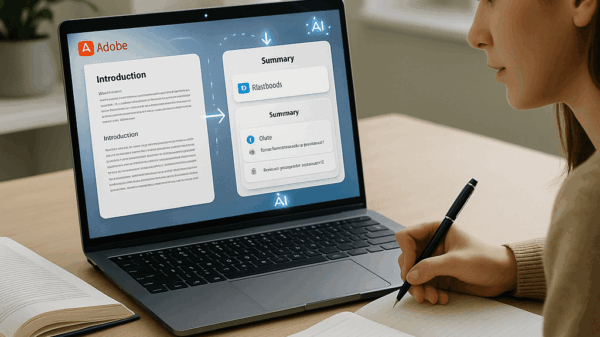














In a pioneering move, some Australian schools are adopting artificial intelligence (AI) to enhance student learning and ensure understanding of assignments. At Hills Christian Community School in the Adelaide Hills, students now engage with an AI chatbot known as “Thinking Mode” after submitting an essay. This interactive tool poses questions such as, “Can you explain this a little bit more?” or “What do you mean by that word?” The aim is not only to reinforce the lesson but also to verify that students comprehend their work, thereby addressing concerns over potential plagiarism from tools like ChatGPT.
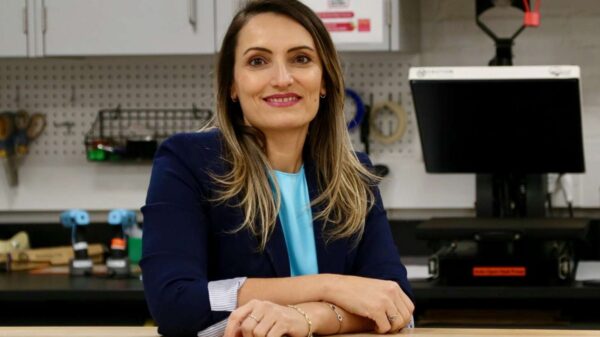
Hills Christian Community School’s integration of AI is part of a broader initiative to utilize technology in innovative ways. Students are also exploring natural ecosystems through sensors, drones, and coding, while those with disabilities are leveraging Meta AI glasses equipped with speakers to enhance their learning experiences without disrupting the classroom environment. Colleen O’Rourke, the school’s leader of digital innovation, emphasizes that “AI tools are used by educators to amplify great practice, not dilute it,” adding that maintaining the human element is crucial, with AI acting as a partner alongside teachers and students.
Despite these advancements, the integration of AI varies significantly across Australia. The Independent Schools Australia (ISA) has called on the federal government to initiate a national AI pilot program to prevent the creation of a “two-speed system” in education. In a report released on Monday, the ISA detailed the disparities in AI adoption among schools, influenced by their geographic locations and available resources. Currently, only New South Wales and South Australia have implemented AI programs in public schools, following a ban that was lifted in late 2023.
ISA Chief Executive Graham Catt warned that Australia stands at a critical juncture regarding the role of AI in education. “If we don’t act deliberately now, we risk creating a two-speed system,” Catt said, highlighting the need for equitable access to AI tools. The ISA’s report advocates for a government-led initiative to develop ethical guidelines for AI usage in schools and establish transparent funding pathways.
The Teaching and Learning International Survey (TALIS), published in 2024, indicates that approximately two-thirds of Australian secondary teachers and nearly half of primary teachers are employing AI in their classrooms, placing Australia among the top nations for AI adoption in education. However, many educators have expressed concerns over the potential negative impacts of AI on student well-being, privacy, and the risk of plagiarism, underscoring the necessity for better training and safeguards.
In independent schools, large language models (LLMs) are becoming integral to educational practices, assisting teachers with grading, providing tailored feedback, and identifying learning gaps. In New South Wales, the NSWEduChat tool has been deployed across all public schools, aiding teachers with lesson planning while promoting critical thinking among students. South Australia has also rolled out the EdChat chatbot statewide, with early feedback indicating it has saved teachers time and effectively supported students facing language and learning barriers.
O’Rourke noted the urgency for teacher training, stating, “We can’t teach our kids how to use it responsibly if teachers don’t know how to use it responsibly.” The varying levels of AI adoption and the push for equitable access illustrate the complex landscape of educational technology in Australia. As schools navigate the integration of AI, the balance between leveraging technology and maintaining a supportive learning environment for all students remains paramount.
See also University of North Texas Launches New AI Major to Address Workforce Demand
 Mexico’s EdTech Market Reaches $10B by 2034, Driven by Digital Adoption and AI Tools
 Universities Must Restructure by 2026 to Embrace AI-Driven Learning and Assessment
 AI’s Role in Social-Emotional Learning: 64% of Teens Use Chatbots Daily, Experts Weigh In
 LEGO Education Advocates Child-First AI Literacy at BETT 2023 Conference