










































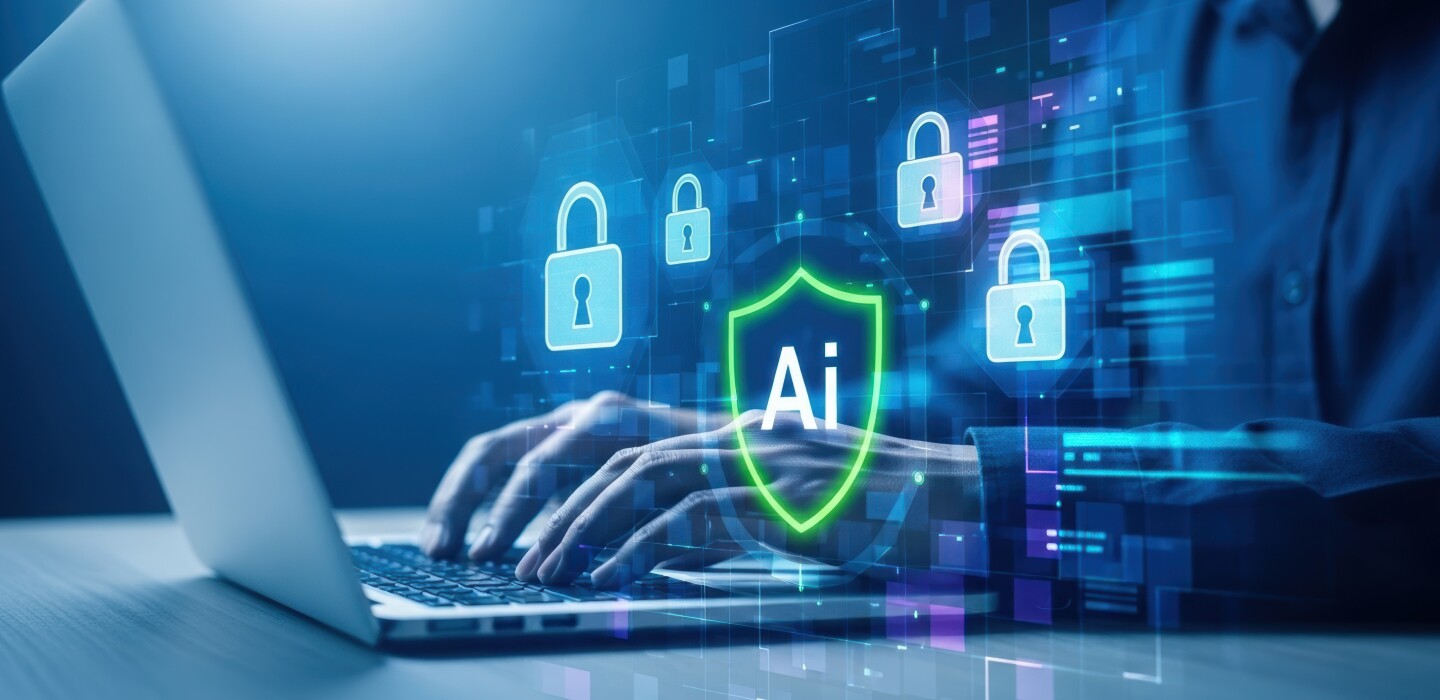
(TNS) — The rise of AI-driven cyber attacks poses a significant threat to educational institutions, with experts warning that hackers are becoming increasingly adept at leveraging artificial intelligence to mimic real individuals. Gary Lackey, the technology director of cybersecurity for Goose Creek Consolidated Independent School District, which serves 24,000 students near Houston, expressed concern about the evolving landscape of cyber threats. “Some of these hacking teams are getting really smart,” he noted, emphasizing the potential for AI to enhance their tactics by making communications appear genuine.
A recent survey by the EdWeek Research Center revealed that 51 percent of K-12 educators believe the severity of cyber attacks will escalate in the coming year due to advancements in AI technologies. This prediction aligns with growing evidence that schools are prime targets for hackers, largely because of the extensive personal data they collect and the financial resources they manage.
In an interview with Education Week, Lackey elaborated on the implications of AI advancements for cybersecurity, describing how these technologies have altered the threat environment. “Years ago, you would easily be able to recognize a phishing email because it was so obvious with the misspellings and everything,” he explained. Hackers are now employing sophisticated tools, including AI, to conduct research on organizational structures, allowing them to tailor their attacks more effectively.
The impact of a cyber attack on a school or district can be severe. Lackey noted that while initial disruptions may seem like minor annoyances, the situation can quickly escalate to a complete shutdown of operations. “It’s going to move fast, and it’s going to take down the entire school, most likely, or the whole district,” he warned.
To mitigate these risks, Lackey advocated for proactive cybersecurity strategies. He highlighted the importance of verifying requests by calling the relevant parties rather than relying on digital communication alone. “Pick up that phone and call and validate before clicking on a link,” he urged, underscoring the necessity of vigilance in the face of increasingly sophisticated cyber threats.
The methods employed by hackers are also evolving, making them harder to detect. “Hackers have always known that if you can scare someone into thinking that their boss or their boss’s boss is trying to contact you, that you’re going to respond quickly,” Lackey stated. He cautioned that educators should remain skeptical of urgent requests that appear to come from high-ranking officials, emphasizing the need for thorough verification.
Deepfake technology, which can create realistic audio and visual content, poses another layer of risk. Lackey noted that such technology could be easily used to impersonate school officials. “I’ve played around with some of the AI-generative stuff to see if we can utilize it for training,” he said, pointing out how accessible public speaking recordings of school leaders make it easier for hackers to replicate their voices. This capability could allow malicious actors to initiate deceptive communications that could lead to security breaches.
Cellphones, too, introduce additional vulnerabilities. “If hackers can get ahold of your phone number, then they’re going to use that to attack you,” Lackey warned, highlighting the potential risks associated with information sharing at public events, such as conferences.
While new tools to combat AI-driven cyber attacks are emerging, Lackey noted there remains a considerable amount of confusion in the marketplace. “There definitely are tools out there that utilize AI, and they’re starting to come out more and more. But I doubt schools are at the point where they’re utilizing them on a large scale,” he said.
Concluding his thoughts, Lackey emphasized the critical responsibility that individuals have in safeguarding their institutions. “We really have to realize and take ownership that if I click on something, if I respond to something, I could compromise the whole district,” he said. As cyber threats become more sophisticated, the importance of individual vigilance in cybersecurity has never been greater.
See also MAHE Partners with OpenAI to Boost AI Integration Across Academic Programs
 AI Chatbots Interrogate Students in Australian Schools, Sparking Teacher Concerns Over Equity
 University of North Texas Launches New AI Major to Address Workforce Demand
 Mexico’s EdTech Market Reaches $10B by 2034, Driven by Digital Adoption and AI Tools
 Universities Must Restructure by 2026 to Embrace AI-Driven Learning and Assessment