















































Bett UK 2026 opened with an interactive session inspired by the popular TV show “Taskmaster,” engaging delegates through quickfire challenges that fostered laughter and interaction. The segment was led by Taskmaster Education, a team that adapts the program for educational settings, focusing on problem-solving and collaboration rather than competition. This approach mirrors techniques used in classrooms to promote active participation from the outset.
Following this energizing start, Duncan Verry, Bett Portfolio Director at Hyve Group, took the stage to outline the event’s broader ambitions. He stated, “Bett is not just about showcasing what’s new; it’s about igniting what’s next.” Verry highlighted the extensive international presence at the event, noting the participation of over 220 ministers and civil servants from more than 50 countries during the ministerial symposium, supported by UNESCO, UNICEF, and the OECD.
Verry also made a headline announcement regarding the future of Bett. “We are launching Bett USA in November 2027,” he declared, inviting attendees to Nashville for its inaugural edition. With an expected turnout of 60,000 visitors over three days and all sessions accredited for continuing professional development (CPD), Bett is positioning itself as a year-round hub for education professionals and policymakers.
The momentum continued as UK Education Secretary Bridget Phillipson delivered a keynote address that emphasized the government’s intention to further integrate artificial intelligence (AI) into education while ensuring safety and well-being measures are in place. Phillipson characterized AI as “the biggest leap forward for learning in centuries,” and stressed the importance of technology as a support system for teachers, stating, “AI and EdTech can never, and will never, replace what teachers do. But it can help.”
Her remarks encompassed updated safety standards, partnerships with major tech companies, increased investment in EdTech trials, and new qualifications focusing on data science and AI, along with expanded use of assistive technology for students with special educational needs and disabilities (SEND).
Caroline Wright, Director General at the British Educational Suppliers Association, reinforced the significance of digital safety standards during the event. She commended the government’s updated guidelines, highlighting the necessity for consistency across the sector to foster confidence among schools in adopting technology. “We strongly support the move to update digital safety standards,” she said, emphasizing the role of trusted suppliers and industry codes of practice in safeguarding learners. Wright also pointed to the need to protect the capacity of UK EdTech companies amidst geopolitical challenges, especially as British suppliers cater to schools adhering to the UK curriculum globally.
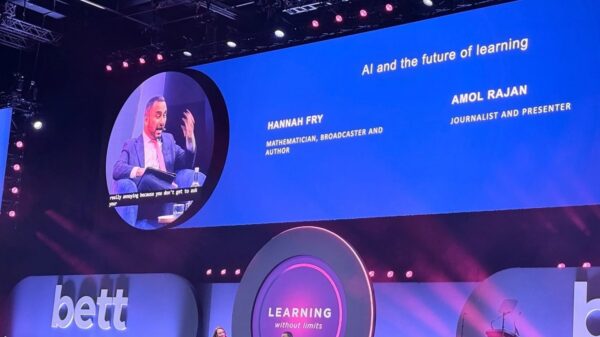
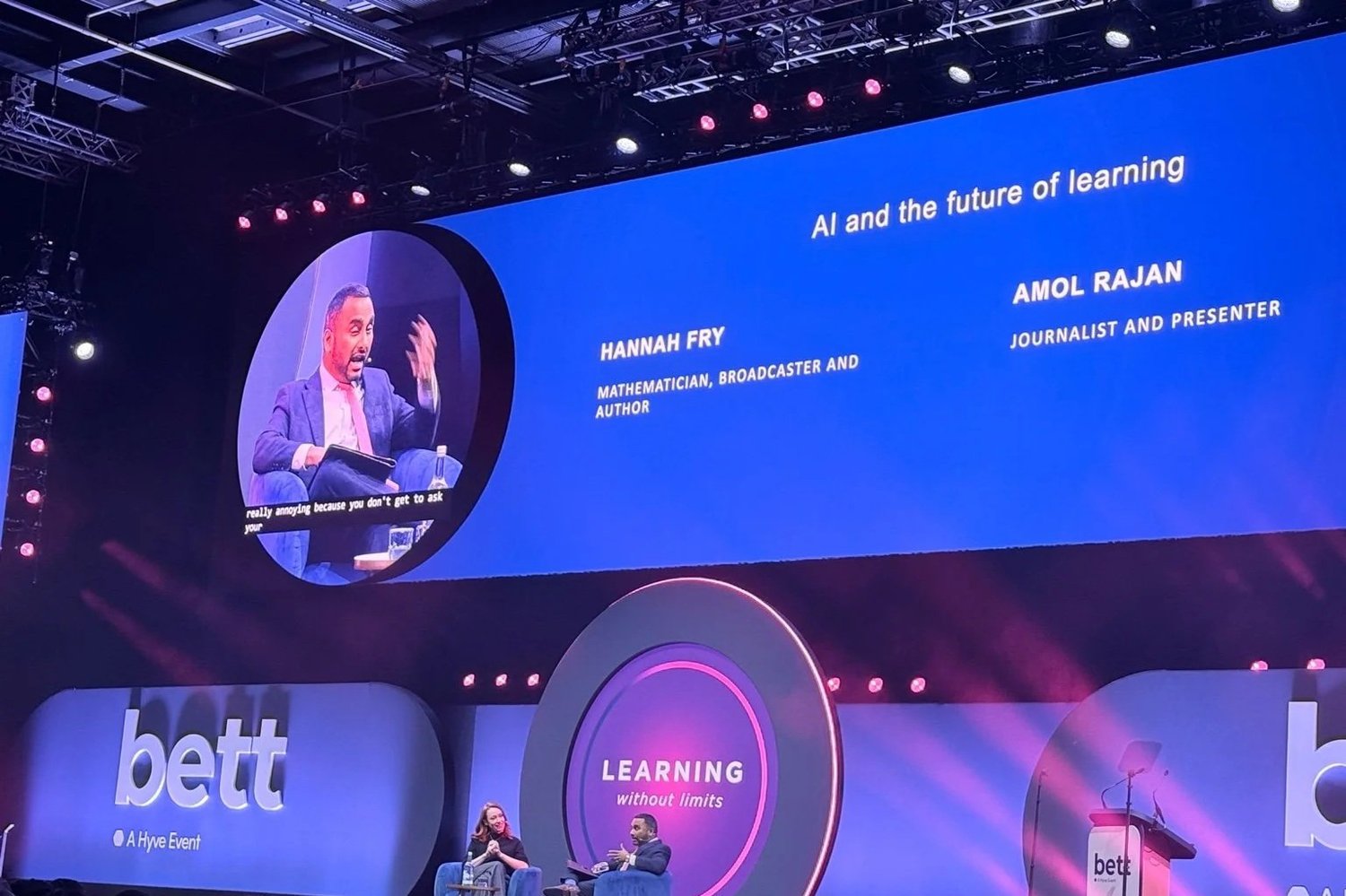
AI remained a central theme during a discussion featuring mathematician and broadcaster Hannah Fry, alongside journalist Amol Rajan. Rather than hyping AI’s potential, the conversation delved into realistic expectations and clarity. Fry cautioned against vague definitions and exaggerated claims, noting the prevalent “hype and big promises” surrounding AI. However, she acknowledged that recent advancements represent a significant shift, with AI systems capable of understanding language and concepts in ways that identify patterns often overlooked by humans.
Rajan shifted the dialogue toward public trust and perceptions surrounding AI, exploring how it is framed outside the technology community. He emphasized the importance of balancing optimism with caution as educators and policymakers aim to cultivate a clearer public understanding of AI’s role in classrooms.
The opening of Bett UK 2026 not only set the tone for discussions surrounding substantial advancements in education technology but also underscored the event’s commitment to evolving alongside the needs of educators and students. As conversations continue to unfold around the integration of AI in education, the emphasis on safety, teacher support, and public perception will play a crucial role in shaping the future of learning.
See also Andrew Ng Advocates for Coding Skills Amid AI Evolution in Tech
 AI’s Growing Influence in Higher Education: Balancing Innovation and Critical Thinking
 AI in English Language Education: 6 Principles for Ethical Use and Human-Centered Solutions
 Ghana’s Ministry of Education Launches AI Curriculum, Training 68,000 Teachers by 2025
 57% of Special Educators Use AI for IEPs, Raising Legal and Ethical Concerns