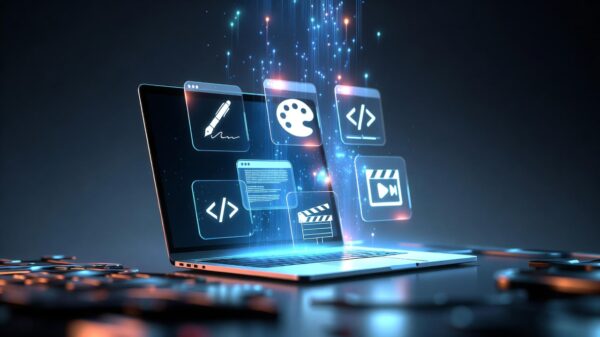



























Artificial intelligence is fundamentally transforming the landscape of digital design, enabling users to create professional-quality images in mere minutes. Leveraging advanced algorithms and machine learning, AI-powered image generators allow individuals, businesses, and marketers to effortlessly produce eye-catching posters and graphics. As companies increasingly adopt these tools, the efficiency with which they can generate promotional images is rapidly reshaping their marketing strategies.
AI design tools work by interpreting simple user prompts to produce visual designs in real time. Users need only to describe their desired output, and the system analyzes various elements such as style, color, and composition to generate images accordingly. This technology not only lowers the barriers to entry for graphic design but also alleviates the need for professional designers, making it accessible for a broader audience.
The speed and efficiency of AI design tools stand out as their most significant advantages. Users can create aesthetically pleasing posters within minutes, a task that would typically consume hours if done manually. This streamlined process allows for modern, creative visuals to be produced with minimal effort, effectively simplifying the entire creative workflow.
In the marketing domain, companies continuously seek visually appealing graphics for advertising and event promotion. AI applications facilitate this process, enabling firms to generate high-quality visuals for use in various campaigns. Marketing teams can rely on AI image generators to create social media graphics, product launch posters, and promotional materials, significantly reducing turnaround time without sacrificing quality.
Moreover, the customization capabilities offered by AI empower users to experiment with color palettes, fonts, styles, and themes, ensuring that the resulting designs align closely with brand identities. This flexibility allows marketers and entrepreneurs to test different visual concepts easily, enhancing their creative output and adaptability in a competitive market.
As social media platforms demand increasingly engaging content to capture audience attention, AI tools have emerged as valuable assets for influencers and marketers. These generators can produce unique promotional images that not only increase visibility but also drive audience engagement. The ability to create tailored graphics quickly positions users to respond dynamically to market trends.
For small businesses, the cost of hiring professional designers can be prohibitive. AI-driven design tools present a more affordable alternative, enabling entrepreneurs to produce high-quality visuals independently. By eliminating the need for third-party design services, businesses can allocate resources more efficiently while still achieving professional standards in their marketing materials.
Looking ahead, the role of AI in graphic design is poised for significant growth. Innovators are currently blending human creativity with machine intelligence, leading to advancements that further enhance the design process. The increasing prevalence of AI image generators suggests a future where more individuals and organizations will harness this technology for producing posters and other visual art forms.
While AI tools simplify the design process, creativity remains a critical component. Users are encouraged to articulate clear prompts and experiment with various styles to maximize the effectiveness of the generated images. By refining their ideas and utilizing AI image generators thoughtfully, anyone can create posters that stand out and capture attention effectively.
As AI design platforms gain traction among businesses, students, and creators, they provide rapid solutions to modern digital design challenges. The accessibility of AI-based image generators democratizes creative expression, allowing a wider range of individuals to engage in graphic design without extensive technical knowledge. This trend underscores a broader shift in the creative industry, where technology continuously reshapes the methodologies of design.
AI image generators are becoming increasingly popular, with many users curious about their potential applications. These tools can produce high-quality graphics quickly, making them suitable for various marketing purposes. While AI does not replace the need for professional designers, it serves as a valuable assistant, enhancing creative workflows and expanding possibilities within the industry. As technology evolves, the integration of AI into graphic design is likely to become even more pronounced, shaping the future of visual creativity.
See also Sam Altman Praises ChatGPT for Improved Em Dash Handling
 AI Country Song Fails to Top Billboard Chart Amid Viral Buzz
 GPT-5.1 and Claude 4.5 Sonnet Personality Showdown: A Comprehensive Test
 Rethink Your Presentations with OnlyOffice: A Free PowerPoint Alternative
 OpenAI Enhances ChatGPT with Em-Dash Personalization Feature